North Carolina’s official state dog is the Plott Hound, a breed recognized for its hunting ability, determination, and deep connection to the state’s history. Unlike many popular dog breeds known primarily for companionship or appearance, the Plott Hound developed through generations of practical work in forests and mountains.
The breed represents more than a regional symbol. Its history reflects the relationship between settlers, working dogs, and the natural environment of the Appalachian region. Today, the Plott Hound remains valued by hunters, dog enthusiasts, and those interested in preserving historic American breeds.
How the Plott Hound became North Carolina’s state dog
The Plott Hound was officially designated as the state dog of North Carolina in 1989. The recognition honored the breed’s historical importance and its unique connection to the state.
The breed traces its origins to the Plott family, who brought hunting dogs from Germany to North America during the 18th century. Over time, these dogs were developed in North Carolina to create a skilled scent hound capable of tracking large game through challenging terrain.
The Plott Hound is the only recognized American coonhound breed that does not primarily descend from British hunting dogs. Its European roots and American development give it a distinctive place among working dog breeds.
A breed built for endurance and tracking
The Plott Hound was bred for hunting rather than simply companionship. Its greatest abilities are its powerful sense of smell, persistence, and confidence when following a trail.
| Characteristic | Description |
|---|---|
| Breed type | Scent hound developed for tracking and hunting. |
| Primary historical role | Tracking large game, especially in mountainous regions. |
| Coat | Short, smooth coat that is typically easy to maintain. |
| Build | Athletic and muscular, designed for stamina and outdoor activity. |
| Temperament | Loyal, intelligent, determined, and energetic. |
The personality of a Plott Hound
Although developed as a hunting dog, the Plott Hound can form strong relationships with its human family. It is often described as loyal, protective, and confident.
However, its working instincts remain strong. A Plott Hound is not typically a passive household pet that requires little activity. The breed thrives when given opportunities for exercise, training, and mental stimulation.
- Highly energetic and active
- Strong problem-solving ability
- Loyal toward its owners
- Independent when following scents
- May have a strong prey drive
Appearance and physical traits
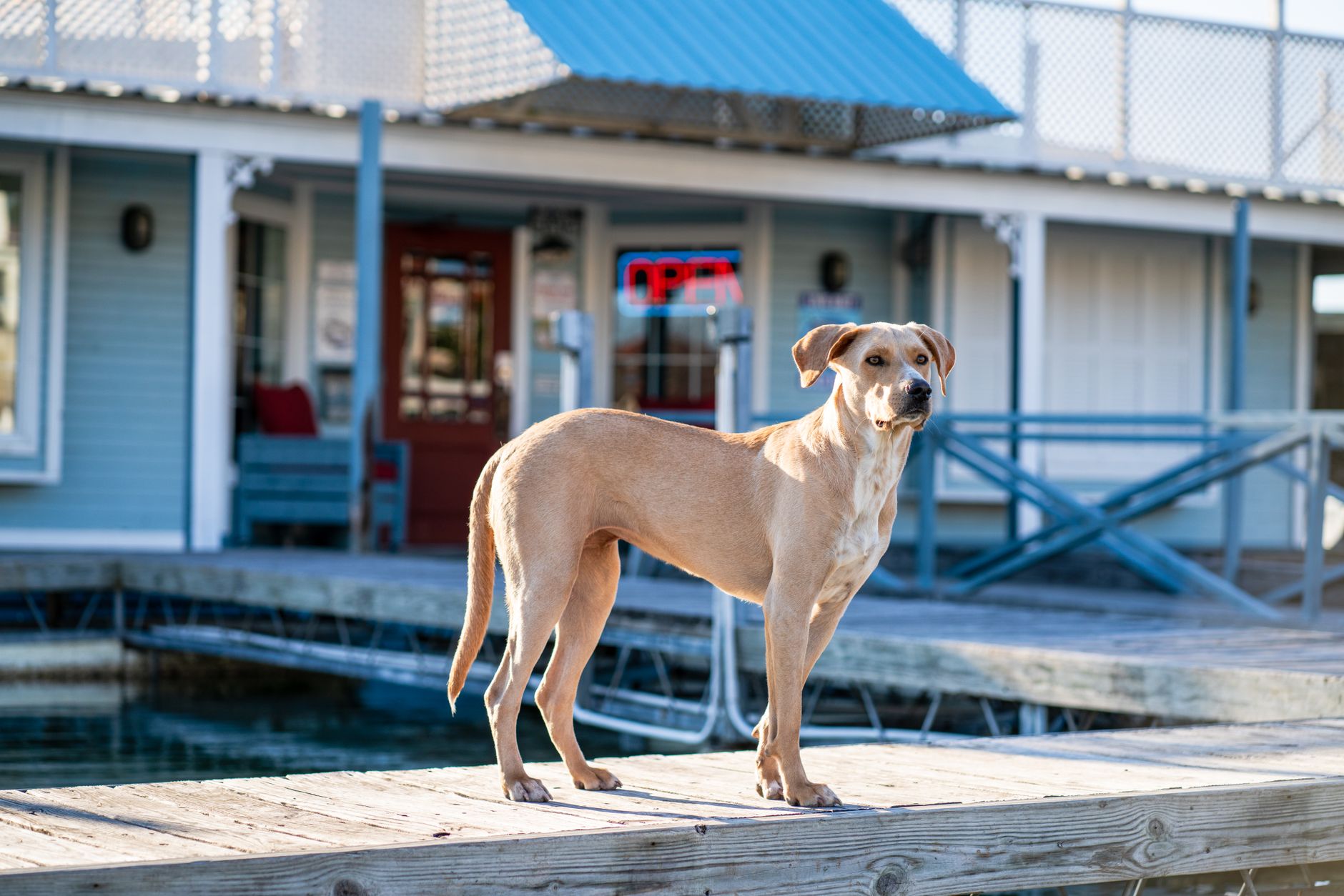
Plott Hounds are medium-to-large dogs with a powerful but athletic appearance. Their bodies are built for movement rather than bulk, allowing them to navigate forests, hills, and difficult terrain efficiently.
Their coat is usually short and dense, with brindle patterns being one of the breed’s most recognizable features. Some individuals may also have black coloring or other variations accepted within breed standards.
Exercise and care requirements
Because the Plott Hound was developed as a working hunting dog, it requires regular physical activity. Owners should provide daily exercise and activities that engage both the dog’s body and instincts.
- Long walks or outdoor activities
- Scent-based games and training
- Consistent obedience practice
- Safe areas for controlled exploration
Their short coat generally makes grooming easier than many long-haired breeds, although routine care such as nail trimming, ear cleaning, and dental maintenance remains important.
Is a Plott Hound a good family dog?
A Plott Hound can be an excellent companion for an active household that understands the needs of a working breed. Families who enjoy hiking, outdoor activities, or structured training may find this breed a good match.
However, it may not be ideal for owners seeking a low-energy dog or those who cannot provide enough physical and mental engagement. Without sufficient activity, a Plott Hound may become bored and develop unwanted behaviors.
The cultural importance of the Plott Hound
The Plott Hound’s significance extends beyond its abilities as a hunting dog. It represents North Carolina’s Appalachian heritage and the role that working animals played in the development of rural communities.
By becoming the state’s official dog, the Plott Hound gained recognition as a symbol of resilience, adaptability, and the longstanding partnership between people and animals.
Why the Plott Hound remains special today
The Plott Hound is a reminder that dog breeds are shaped by history, geography, and human needs. Its reputation was not built through popularity alone but through generations of dependable work in demanding environments.
For those who appreciate active, intelligent, and historically significant breeds, the Plott Hound offers a unique combination of loyalty, athletic ability, and a direct connection to North Carolina’s heritage.
“`