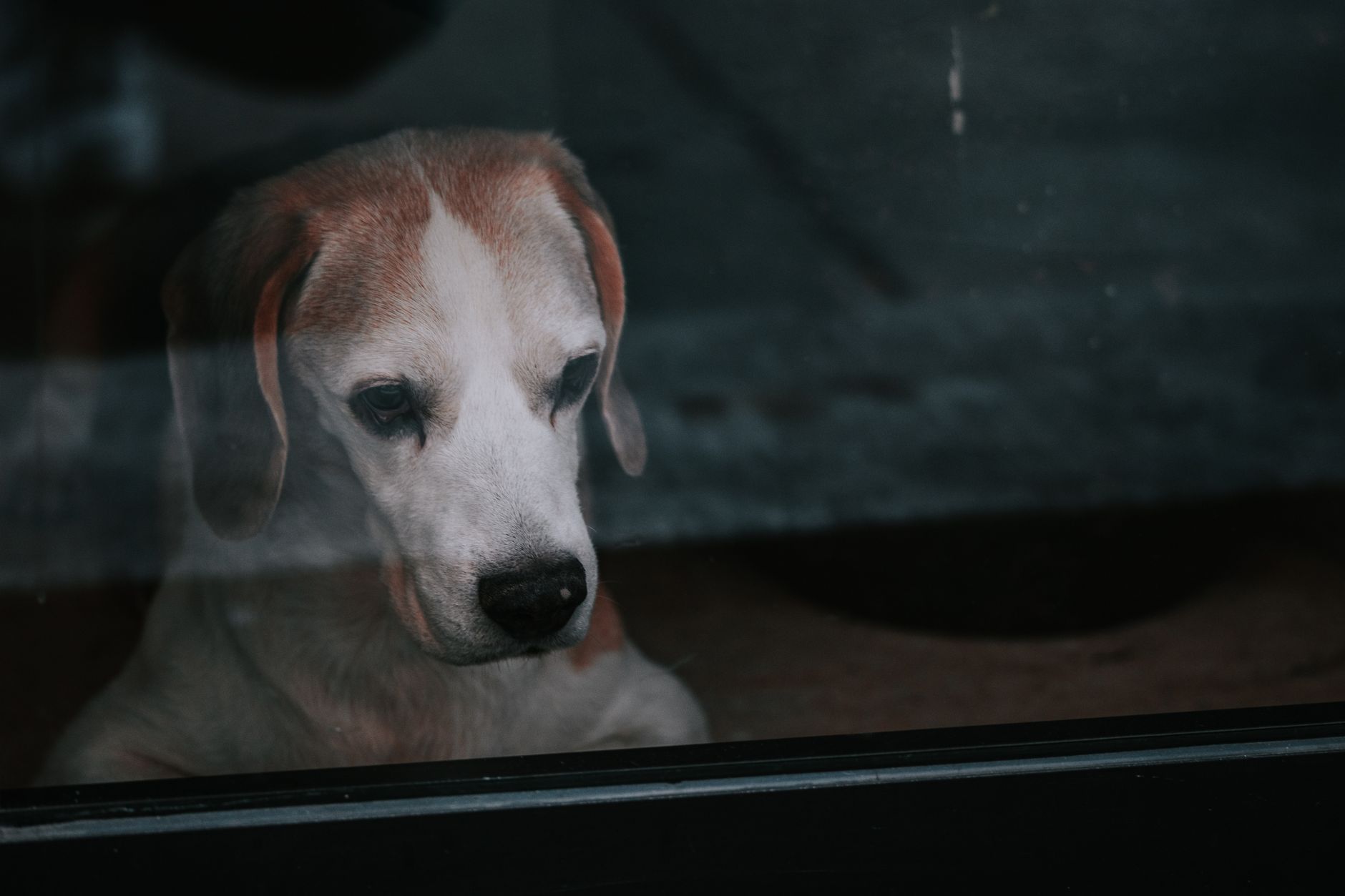
For many dog owners, leaving the house comes with a familiar routine: grabbing keys, putting on shoes, and hearing a dog suddenly become alert. Some dogs simply notice that their owner is leaving, while others react with intense distress. They may bark continuously, damage furniture, pace near doors, or show signs of panic. These behaviors often lead owners to ask a common question: do dogs get separation anxiety?
The answer is yes. Dogs can experience separation anxiety, but understanding the condition requires looking beyond the visible behavior. A dog chewing a couch or barking after an owner leaves is not automatically being difficult or disobedient. In many cases, the behavior is an outward sign of emotional stress caused by being separated from a person, another animal, or a familiar routine.
Modern veterinary behavior research recognizes separation-related problems as some of the most common behavioral challenges reported by dog owners. However, not every dog that dislikes being alone has clinical separation anxiety. The difference comes down to the intensity of the reaction, the emotional state behind the behavior, and whether the dog can eventually settle without human presence.
Understanding Separation Anxiety in Dogs
Separation anxiety is a condition where a dog experiences significant distress when separated from a specific attachment figure. Dogs are social animals, and their ability to form strong relationships with humans is one reason they have become successful companion animals. That same social connection can become a challenge when a dog cannot cope with periods of independence.
A dog with normal attachment may follow its owner around the home, greet them enthusiastically, or prefer company. A dog experiencing separation anxiety typically shows a much stronger reaction. The anxiety often begins when the dog recognizes departure signals, such as an owner picking up a bag, putting on a coat, or reaching for the front door.
The important distinction is that separation anxiety is not about a dog trying to “get revenge” for being left alone. Animals do not usually act from the human concept of revenge. Destructive behavior, accidents, or vocalization are more often attempts to manage fear, frustration, or panic.
Why Do Dogs Get Separation Anxiety?
There is no single reason why one dog develops separation anxiety while another does not. Researchers and veterinary professionals generally view it as the result of multiple interacting factors, including genetics, early development, environment, previous experiences, and changes in daily life.
Changes in Routine Can Create Emotional Stress
Dogs depend heavily on predictable patterns. They learn when meals happen, when walks occur, and when family members usually leave and return. A sudden disruption to that structure can be difficult for some dogs to process.
Common triggers include moving to a new home, a change in an owner’s work schedule, the loss of a family member or another pet, adoption after a period of instability, or spending significantly more time alone after a long period of constant companionship. For example, many dogs became accustomed to having people home more frequently during periods of remote work and later struggled when household routines changed again.
Some Dogs Are More Emotionally Sensitive
Individual temperament plays an important role. Some dogs naturally adapt quickly to new situations, while others are more cautious and reactive to environmental changes. A dog with a sensitive temperament may need more gradual training to develop confidence when alone.
Breed can influence certain behavioral tendencies, but separation anxiety is not limited to specific breeds. A dog’s personal history, socialization, health, and relationship with caregivers often have a stronger influence than breed alone.
Recognizing the Signs of Separation Anxiety
Separation anxiety can look different from dog to dog. Some animals show obvious panic, while others display quieter signs of distress. Because owners are often away when symptoms occur, monitoring a dog with a camera or reviewing patterns after returning home can help identify what is happening.
- Persistent barking, whining, or howling after an owner leaves
- Destruction focused around doors, windows, crates, or exit points
- Attempts to escape confinement or the home
- Pacing, trembling, drooling, or inability to relax
- Indoor urination or defecation despite previous house training
- Extreme excitement or panic when the owner returns
- Following a person constantly and struggling to settle independently
The timing of the behavior matters. A dog that gradually becomes bored after several hours alone may need more exercise or enrichment. A dog that begins panicking within minutes of departure is more likely experiencing separation-related distress.
Separation Anxiety Is Not the Same as Boredom
One of the most common mistakes owners make is assuming all destructive behavior comes from separation anxiety. Dogs are intelligent, active animals, and insufficient physical activity or mental stimulation can also lead to unwanted behaviors.
A bored dog may chew objects because it has excess energy or lacks appropriate outlets. An anxious dog may destroy objects because it is attempting to escape, reduce stress, or respond to panic. The result may look similar, but the solution is different.
| Behavior | Possible Cause | Helpful Consideration |
|---|---|---|
| Chewing furniture | Boredom, anxiety, or lack of enrichment | Look at timing and emotional state |
| Barking after departure | Stress response or frustration | Monitor whether the dog settles down |
| Following owners everywhere | Attachment or habit | Not always a behavioral disorder |
| Accidents only when alone | Anxiety or medical issue | Rule out health problems first |
How Dogs Experience Being Left Alone
Dogs do not understand time exactly like humans do. They do not think about an owner being gone for “three hours” in the same way a person would. Instead, they respond to environmental cues, routines, and their emotional state.
For a confident dog, an owner leaving may simply become part of the daily pattern: the person leaves, the dog rests, and the person returns. For a dog with separation anxiety, the same event can trigger a chain reaction of stress that begins before the person has even walked out the door.
This is why departure cues themselves can become triggers. A dog may react when it hears keys because it has learned that keys predict separation. The object is not frightening by itself; it has become associated with an unwanted emotional experience.
What Causes Separation Anxiety to Develop in Adult Dogs?
Many owners assume separation anxiety only affects puppies, but adult dogs can develop it as well. A major lifestyle change can affect a previously comfortable dog, especially if the change happens suddenly.
Examples include a family member moving away, a new job requiring longer absences, the death of another household pet, or changes associated with aging. Senior dogs may also develop anxiety because of cognitive decline, reduced hearing or vision, or underlying medical issues.
When an adult dog suddenly begins showing anxiety behaviors, it is important not to assume the problem is purely behavioral. Veterinary evaluation can help identify whether pain, illness, or age-related changes are contributing factors.
Effective Ways to Help a Dog With Separation Anxiety
Helping a dog overcome separation anxiety usually requires changing the emotional response to being alone. Simply forcing a dog to tolerate long periods of isolation often makes the problem worse. Successful approaches are usually gradual, consistent, and tailored to the individual animal.
Gradual Independence Training
The foundation of separation anxiety training is teaching the dog that short periods alone are safe. This often begins with very brief separations that do not trigger panic, then gradually increases as the dog becomes more comfortable.
The process requires patience because moving too quickly can cause setbacks. The goal is not to test how long the dog can endure being alone but to build confidence step by step.
Create Positive Alone-Time Experiences
Owners can help change the meaning of alone time by creating calm, positive experiences. Food puzzles, safe enrichment activities, comfortable resting areas, and predictable routines can help some dogs develop healthier associations.
- Keep departures and arrivals calm.
- Provide appropriate mental stimulation.
- Practice short periods of independence regularly.
- Avoid overwhelming the dog with sudden long absences.
When Professional Help Is Needed
Some dogs have severe separation anxiety that cannot be managed through basic training alone. Dogs that injure themselves attempting to escape, experience extreme panic, or cannot tolerate even short absences may benefit from professional support.
Veterinarians and qualified behavior professionals can help create a structured treatment plan. In some cases, medication may be considered as part of a broader approach. Medication is not a replacement for behavior modification, but it can reduce anxiety levels enough for training to become more effective.
Common Mistakes Owners Make
Many well-intentioned responses can accidentally make separation anxiety harder to improve. One common mistake is punishing a dog after returning home to find damage or mess. The dog may not understand the delayed correction, and punishment can increase fear associated with departures and reunions.
Another mistake is creating an environment where the dog never experiences independence. Constant companionship can feel loving, but dogs also benefit from learning that they can relax safely without always being next to their owners.
The goal is balance: maintaining a strong bond while helping the dog develop confidence and emotional flexibility.
The Bottom Line on Dog Separation Anxiety
Dogs can absolutely experience separation anxiety, and the condition is more complex than simple clinginess or bad behavior. It develops through a combination of emotional attachment, life experiences, genetics, and environmental changes.
The most effective solutions focus on understanding what the dog is experiencing rather than only correcting the visible symptoms. With gradual training, appropriate enrichment, and professional support when needed, many dogs can learn that being alone does not have to be frightening.
A dog’s attachment to its owner is one of the reasons humans and dogs have lived together for thousands of years. Helping that relationship remain healthy means teaching dogs not only how to enjoy companionship but also how to feel secure when their people are away.