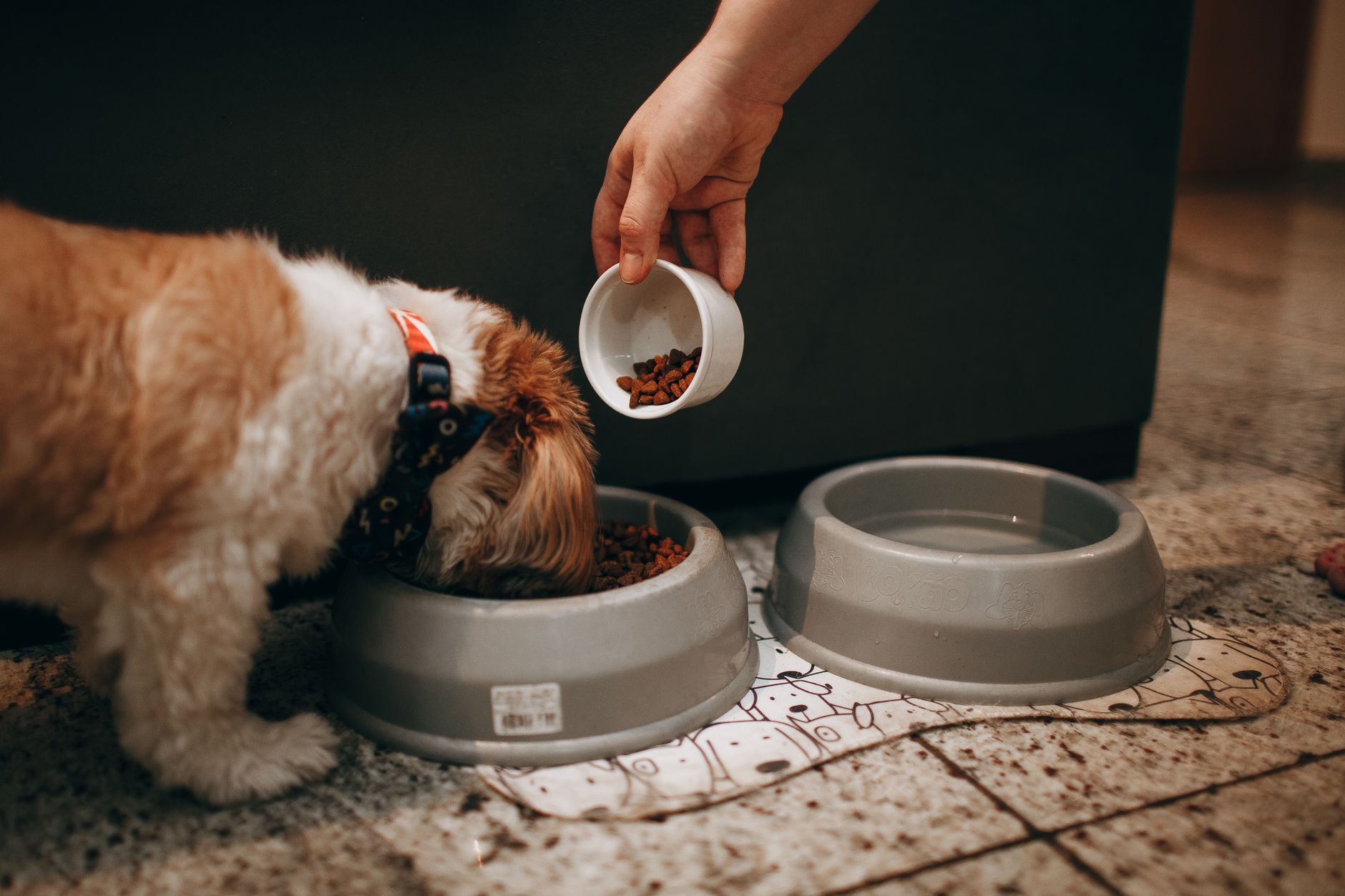
A dog refusing food can be unsettling, especially when a normally enthusiastic eater suddenly walks away from the bowl. For many owners, the first instinct is to search for a quick solution: a new food, a special treat, or a way to convince the dog to eat.
However, appetite changes are not always a simple behavior issue. A dog may refuse food because of stress, environmental changes, dental discomfort, illness, food preferences, or problems with the feeding routine. The most effective approach is not forcing a dog to eat, but understanding why the appetite has changed.
A healthy feeding relationship is built through appropriate nutrition, consistent routines, and attention to the dog’s physical and emotional condition.
First Determine Why Your Dog Is Not Eating
Before changing food or trying new tricks, owners should consider the reason behind the refusal. A dog that skips one meal after a stressful event is different from a dog that refuses food for several days.
| Possible Cause | What May Be Happening | Common Signs |
|---|---|---|
| Food preference | The dog dislikes the taste, texture, or smell | Interested in treats but ignores regular food |
| Feeding routine issues | The dog has learned that refusing food creates alternatives | Waiting for human food or different meals |
| Stress or anxiety | Emotional changes reduce appetite | Eating less after moving, travel, or household changes |
| Dental discomfort | Chewing may be painful | Dropping food, chewing differently, avoiding hard food |
| Medical problems | Illness affects appetite | Lethargy, vomiting, diarrhea, weight loss, behavior changes |
Understanding the cause prevents owners from treating the symptom while missing the real problem.
Check Whether the Appetite Change Is Normal or Concerning
Dogs, like humans, may occasionally have a temporary decrease in appetite. A healthy adult dog may skip a meal due to minor stress, a change in routine, or simply because appetite naturally fluctuates.
However, food refusal becomes more concerning when it is combined with other changes.
Owners should pay attention to:
- How long the dog has refused food.
- Whether the dog is still drinking water.
- Energy levels and normal behavior.
- Vomiting, diarrhea, coughing, or other symptoms.
- Weight loss or signs of pain.
Puppies, senior dogs, and dogs with existing medical conditions may require faster veterinary attention because they can be more vulnerable to complications from reduced food intake.
Create a Better Feeding Routine
Many picky eating problems are not caused by the food itself but by inconsistent feeding habits. Dogs quickly learn patterns, especially when refusing a meal leads to tastier alternatives.
A structured feeding routine can help reset expectations.
- Feed meals at consistent times each day.
- Offer food in a calm, low-distraction environment.
- Remove uneaten food after a reasonable period rather than leaving it available indefinitely.
- Avoid constantly changing foods because of occasional refusal.
- Limit excessive treats between meals.
The goal is to create predictability. Dogs generally respond well when they understand when food is available and what is expected.
Make the Food More Appealing Without Creating Bad Habits
Some dogs become reluctant eaters because meals are less interesting than the alternatives they receive. Adding human food, frequent treats, or multiple replacements may accidentally teach the dog that refusing dinner leads to better options.
Before making major changes, consider simple adjustments:
- Ensure the food is fresh and stored properly.
- Check whether the bowl or feeding location is comfortable.
- Try warming food slightly to enhance aroma if appropriate.
- Reduce distractions during meals.
- Introduce food changes gradually.
If changing diets, a slow transition is usually better for digestion than an abrupt switch.
Consider Whether Your Dog Actually Likes the Current Food
Dogs can develop preferences based on flavor, texture, smell, and previous experiences. Some dogs prefer dry food, some prefer wet food, and some respond differently to different protein sources.
However, “picky eating” should not automatically mean constantly searching for a more exciting meal. Frequent food changes can make it harder to determine whether a dog truly dislikes a diet or has simply learned to wait for something better.
When choosing food, consider:
- Whether it provides complete and balanced nutrition.
- Whether it matches the dog’s age and health needs.
- Whether the dog maintains a healthy body condition.
- Whether the dog consistently tolerates the food.
Use Positive Feeding Habits Instead of Pressure
Trying to force a dog to eat can create stress around mealtime. Some dogs become more reluctant when food becomes associated with pressure, repeated encouragement, or conflict.
Better strategies include:
- Praising calm eating behavior.
- Creating a relaxed feeding environment.
- Using meals as opportunities for positive routines.
- Avoiding emotional reactions when food is refused.
A dog that feels relaxed around food is more likely to develop healthy eating habits.
Exercise Can Improve Appetite, but Timing Matters
Physical activity can influence appetite, especially in dogs that have excess energy or irregular routines. A walk or play session before meals may help some dogs become more interested in eating.
However, intense exercise immediately before or after eating may not be appropriate for every dog, particularly large breeds that may have specific health considerations. Exercise routines should match the individual dog.
A balanced daily schedule often includes:
- Regular movement.
- Mental stimulation.
- Predictable meal times.
- Adequate rest.
When Refusing Food Could Mean a Health Problem
Loss of appetite is sometimes the first noticeable sign that something is wrong. Dogs may stop eating because of pain, digestive problems, infections, dental issues, medication effects, or other medical conditions.
Veterinary attention is especially important if food refusal is accompanied by:
- Repeated vomiting.
- Diarrhea or significant digestive changes.
- Extreme tiredness.
- Difficulty chewing.
- Weight loss.
- Signs of pain.
- Changes in thirst or urination.
Older dogs may also experience appetite changes related to age-associated health conditions, making professional evaluation particularly valuable.
Common Mistakes That Encourage Picky Eating
- Adding new toppings every time the dog refuses: This can teach the dog to wait for upgrades.
- Offering unlimited treats: Snacks can reduce hunger for regular meals.
- Changing food too frequently: Constant switching can create inconsistency.
- Ignoring dental discomfort: A dog may want to eat but find it painful.
- Assuming every refusal is behavioral: Medical causes should be considered.
Helping Puppies, Adult Dogs, and Senior Dogs Eat Better
Feeding challenges can look different depending on life stage.
| Life Stage | Common Feeding Considerations |
|---|---|
| Puppies | Need appropriate nutrition for growth and may require consistent feeding schedules. |
| Adult dogs | Often benefit from stable routines and weight management. |
| Senior dogs | May need diet adjustments based on dental health, metabolism, and medical conditions. |
There is no single solution for every dog. The best feeding approach considers the individual animal rather than following general internet advice.
The Goal Is Healthy Eating, Not Forced Eating
Getting a dog to eat is not about winning a battle at the food bowl. It is about creating the conditions where the dog feels healthy, comfortable, and motivated to eat.
Consistent routines, appropriate nutrition, careful observation, and attention to health concerns are usually more effective than quick fixes.
A dog’s appetite is valuable information. When owners pay attention to changes instead of immediately trying to override them, they can better understand what their companion needs and provide care that supports long-term health.