Separation anxiety in dogs is more than simple boredom or a dislike of being alone. It is a behavioral condition where a dog experiences significant stress when separated from a person, animal companion, or familiar environment. Understanding the reasons behind this reaction is the first step toward helping affected dogs feel safer and more independent.
Dogs are social animals that have evolved to form strong bonds with humans. While attachment is a normal and healthy part of living with a dog, problems can occur when a dog becomes unable to cope with even short periods of separation.
The main factors that can trigger separation anxiety
There is rarely a single cause of separation anxiety. In many cases, it develops through a combination of genetics, past experiences, changes in routine, and the dog’s individual temperament.
Major life changes
Sudden changes are among the most common situations linked to separation-related stress. Dogs rely heavily on predictable routines, so disruptions can make them feel uncertain.
- A family member leaving the household.
- Moving to a new home or changing environments.
- A change in the owner’s work schedule.
- Long periods of isolation after previously having constant company.
A dog that was comfortable with one routine may struggle when its daily expectations suddenly change.
Previous abandonment or unstable experiences
Dogs with a history of being abandoned, rehomed multiple times, or experiencing inconsistent care may have difficulty developing confidence when left alone. However, separation anxiety can also occur in dogs that have always lived in a loving home.
A difficult past may increase vulnerability, but it is not the only explanation. Some dogs develop anxiety despite having no obvious traumatic history.
Strong attachment becoming unhealthy dependence
A close relationship between a dog and owner is beneficial, but excessive dependence can become problematic. Some dogs struggle because they have learned that their owner’s presence is the only source of comfort, entertainment, or security.
Dogs that constantly follow their owners from room to room, become distressed when doors close, or cannot relax independently may be showing early signs of over-attachment.
Lack of gradual independence training
Dogs do not automatically understand that being alone is safe. Puppies and newly adopted dogs especially need opportunities to gradually learn that separation is temporary and predictable.
A dog that has never experienced short periods alone may find sudden long absences overwhelming.
Common signs that a dog may have separation anxiety
Separation anxiety usually appears when the owner leaves or prepares to leave. The behavior is often linked specifically to separation rather than general disobedience.
- Excessive barking, whining, or howling after being left alone.
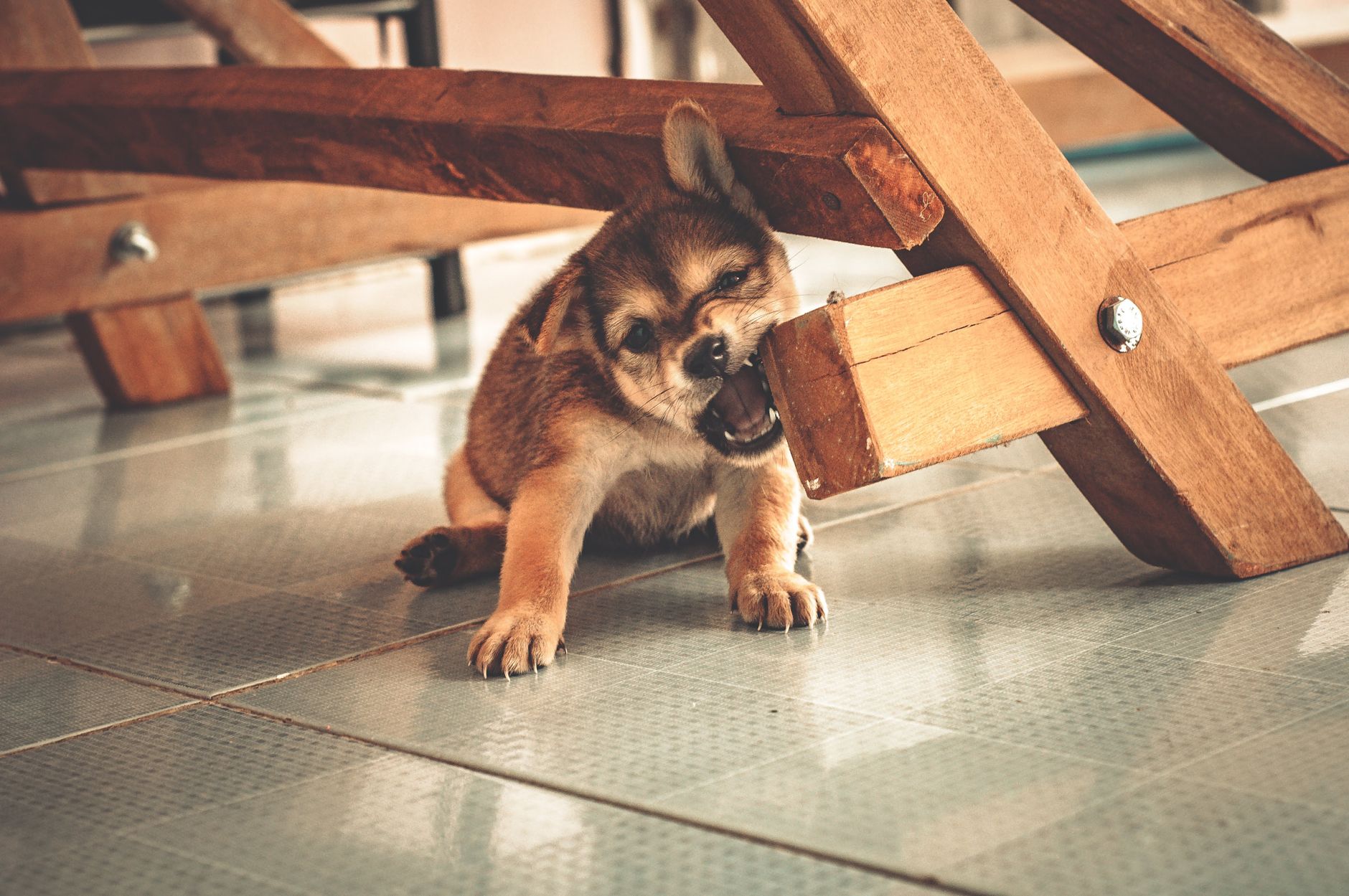
- Destructive chewing, scratching doors, or damaging household items.
- Attempts to escape confinement or exit areas.
- Urinating or defecating despite being house-trained.
- Pacing, shaking, drooling, or showing signs of panic.
- Extreme excitement or distress when the owner returns.
It is important to distinguish anxiety from normal behaviors. A dog chewing a toy because it is bored is different from a dog destroying furniture while experiencing panic.
Factors that may increase the likelihood of separation problems
| Factor | Why It May Matter |
|---|---|
| Breed and temperament | Some dogs are naturally more social, sensitive, or dependent on human interaction. |
| Early experiences | Puppies with limited exposure to different situations may have more difficulty adapting. |
| Routine disruption | Unexpected changes can create uncertainty and stress. |
| Insufficient mental stimulation | Boredom can intensify stress-related behaviors. |
| Sudden increase in alone time | A dog accustomed to constant company may struggle with abrupt isolation. |
Why punishment usually makes separation anxiety worse
Dogs experiencing separation anxiety are not acting out of revenge or stubbornness. Their behavior is usually a response to fear or distress. Punishing destruction, accidents, or barking after returning home can increase anxiety because the dog may associate separation with additional negative experiences.
Effective approaches generally focus on changing the dog’s emotional response to being alone rather than simply stopping the visible behavior.
When professional help may be needed
Mild separation-related behaviors can often improve with structured training and environmental changes. However, severe cases involving panic, self-injury, or extreme distress may require guidance from a veterinarian or qualified animal behavior professional.
In some situations, behavioral training may be combined with medical support when anxiety is severe. The goal is not to sedate the dog, but to help create a state where learning and behavior modification are possible.
Understanding the real cause helps create better solutions
Separation anxiety is not simply a problem of a dog being “too attached.” It is a complex emotional response influenced by the dog’s history, environment, personality, and relationship with people.
By identifying the triggers behind the anxiety and helping dogs gradually build confidence, owners can create a healthier balance between companionship and independence.
“`