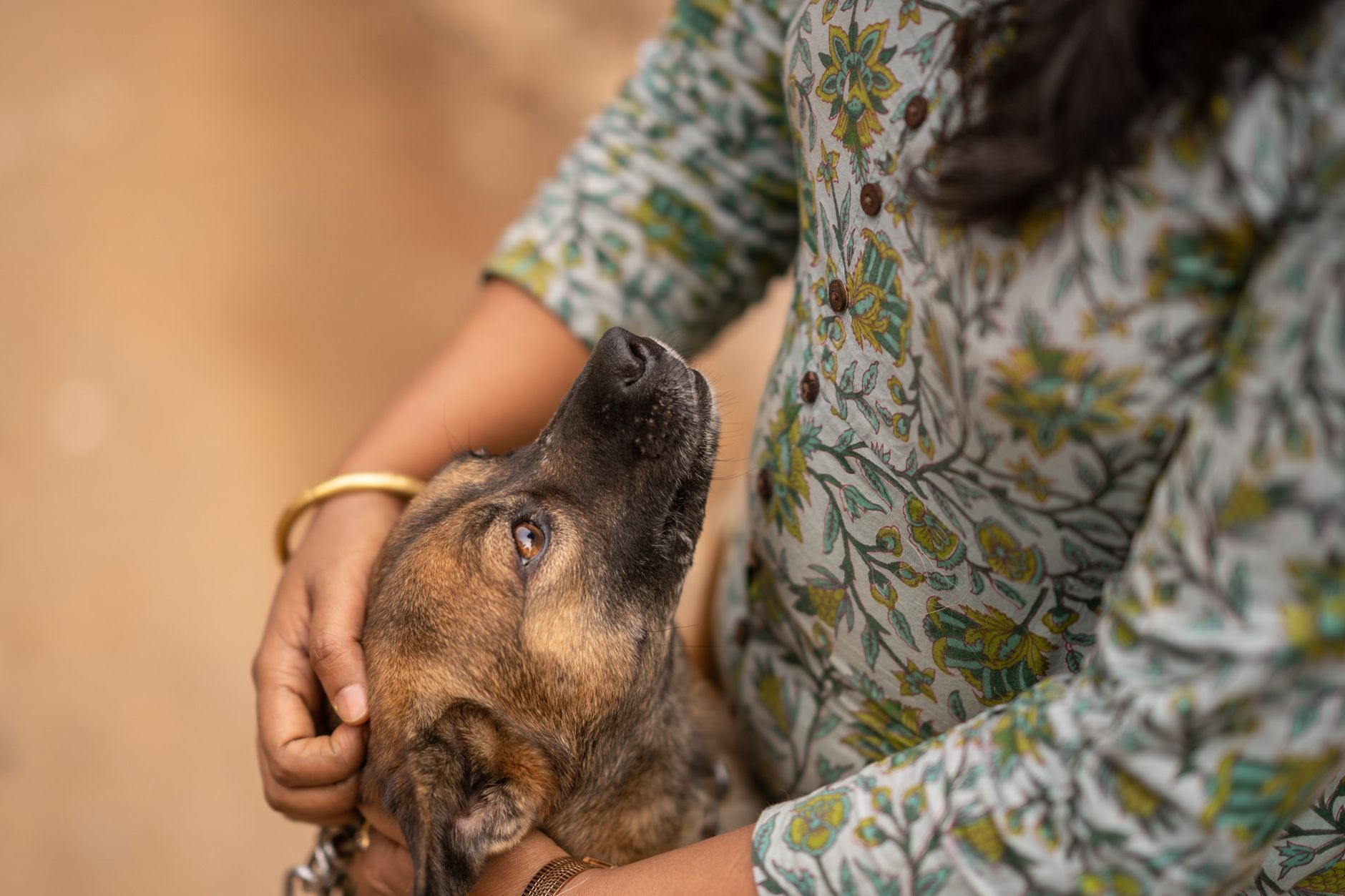
Dogs have lived alongside humans for thousands of years, evolving from working partners into some of the most valued household companions around the world. Their popularity is not based only on affection or appearance. Dogs offer a unique combination of social connection, adaptability, trainability, and practical support that has allowed them to fit into many different human lifestyles.
However, deciding whether a dog is the right pet requires more than recognizing their positive qualities. Dogs are living animals with emotional, physical, and social needs. The same traits that make them wonderful companions, such as their loyalty and desire for interaction, also mean they require commitment, attention, and responsible care.
The Human-Dog Bond Is Built on Communication and Connection
One of the strongest reasons dogs make exceptional pets is their ability to form close relationships with people. Dogs are highly social animals that have developed an impressive ability to understand human behavior, including body language, tone of voice, and daily routines.
This relationship creates a type of companionship that many owners describe as deeply rewarding. Dogs often become part of family life by participating in everyday activities, offering affection, and providing a consistent presence in the home.
Dogs Encourage a More Active Lifestyle
Many dogs need regular physical activity, and meeting those needs often encourages owners to become more active as well. Daily walks, outdoor play, and exploration provide benefits for both the dog and the person caring for them.
The amount of exercise required varies greatly depending on the dog’s age, breed, health, and personality. A high-energy working breed may need extensive activity and mental challenges, while some smaller or older dogs may be satisfied with shorter walks and gentle engagement.
| Dog Trait | Potential Benefit for Owners |
|---|---|
| Need for regular walks | Encourages movement and outdoor routines. |
| Social nature | Creates opportunities for companionship and interaction. |
| Trainability | Allows owners to teach behaviors and build communication. |
| Emotional awareness | Can provide comfort and companionship during difficult moments. |
Dogs Can Provide Emotional Support and Companionship
Many people value dogs because they provide a sense of connection and routine. Caring for a dog creates daily responsibilities that can add structure to life, while the companionship of an animal can reduce feelings of loneliness for many owners.
Research into human-animal relationships has explored how interactions with companion animals may influence emotional well-being. While dogs should not be viewed as a replacement for professional mental health care, their presence can be a meaningful source of comfort and social connection.
Dogs Are Highly Trainable Compared With Many Other Pets
Dogs have a natural ability to learn from human guidance. Through consistent training and positive reinforcement, many dogs can learn household manners, obedience skills, and specialized tasks.
This trainability is one reason dogs serve important roles beyond companionship. Dogs work as assistance animals, detection animals, search-and-rescue partners, and therapy animals. Their willingness to cooperate with people has made them valuable partners in many areas of society.
Dogs Can Adapt to Different Living Situations
Another advantage of dogs as pets is their ability to adapt to many environments. Dogs live successfully in apartments, suburban homes, rural properties, and urban communities when their individual needs are properly managed.
However, adaptability does not mean every dog fits every household. A large, energetic dog may struggle in a small space without enough activity, while a nervous dog may require a calm environment. Choosing a dog should involve considering lifestyle compatibility rather than appearance alone.
Dogs Can Teach Responsibility and Empathy
Living with a dog requires consistent care. Feeding, grooming, veterinary visits, exercise, and training all teach responsibility. For families with children, appropriately supervised interactions with dogs can help develop understanding, patience, and respect for animals.
These lessons come from recognizing that a dog is not a toy or temporary interest. A pet depends on people for its well-being throughout its entire life.
The Practical Responsibilities of Owning a Dog
Although dogs offer many benefits, responsible ownership requires planning. Food, healthcare, grooming, training, and emergency expenses are all part of caring for a dog. Owners must also consider time commitments because dogs need attention, companionship, and regular care.
Some challenges include shedding, barking, separation issues, behavioral problems, or health concerns. These difficulties do not make dogs poor pets, but they highlight the importance of preparation and choosing a dog that matches a person’s circumstances.
- Dogs require daily care and attention.
- Different breeds and individual dogs have different needs.
- Training requires patience and consistency.
- Veterinary care is an essential long-term responsibility.
- A dog’s needs may change as it grows older.
Why Choosing the Right Dog Matters
The best dog for a person is not necessarily the most popular breed or the most visually appealing one. A successful relationship depends on matching the dog’s temperament, energy level, size, and care requirements with the owner’s lifestyle.
Potential owners should consider factors such as available time, living space, activity level, experience with animals, and willingness to meet long-term responsibilities. Adoption organizations, shelters, and responsible breeders can help people find dogs that fit their situation.
The Lasting Appeal of Dogs as Pets
Dogs continue to be among the world’s most beloved pets because they offer a rare combination of companionship, loyalty, intelligence, and emotional connection. They can encourage healthier routines, provide meaningful relationships, and become important members of a household.
At the same time, the strongest human-dog relationships are built on responsibility and understanding. Dogs are good pets not simply because they provide affection, but because they create a partnership that requires care, patience, and commitment from both sides.