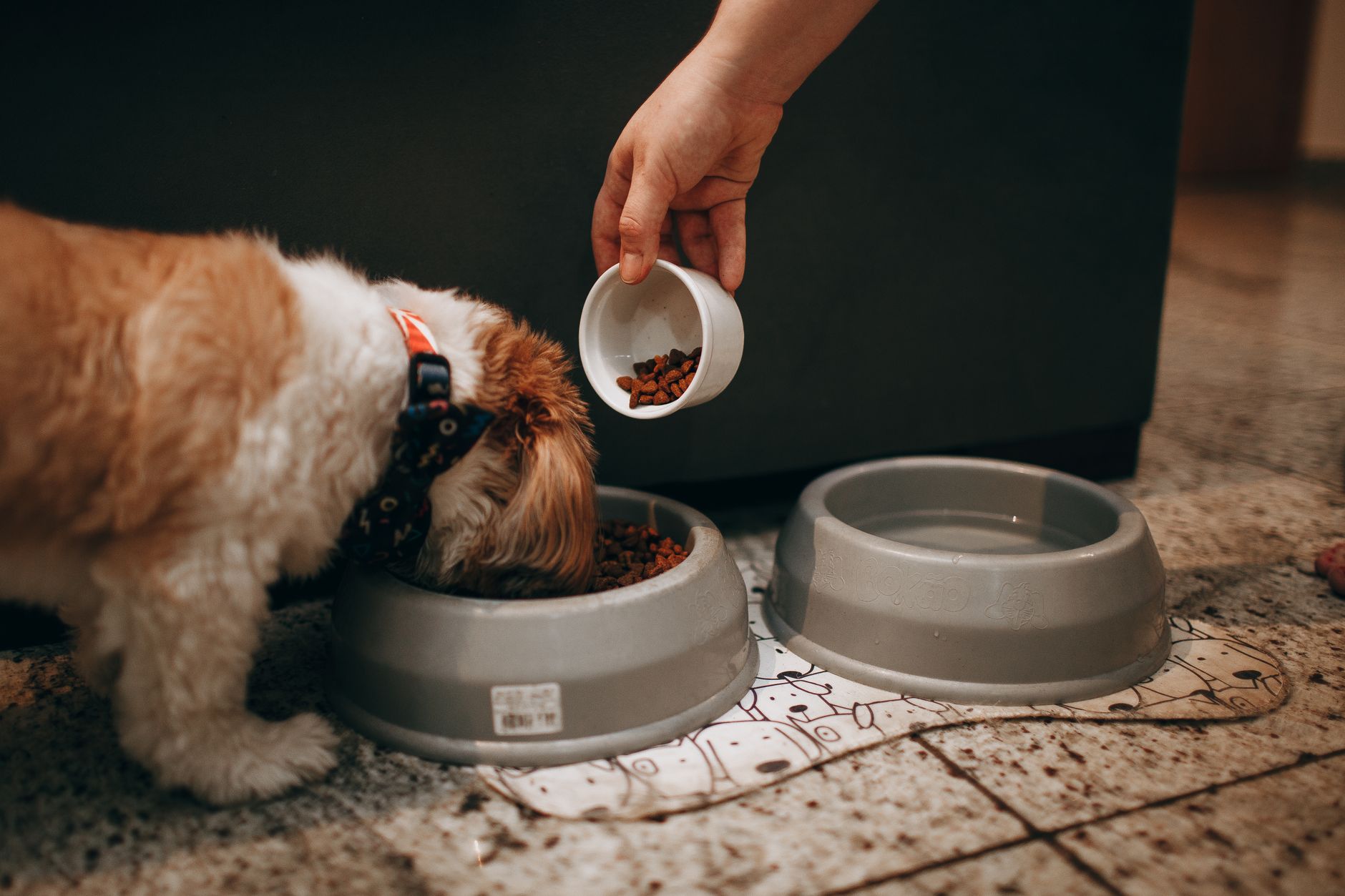
A dog that suddenly refuses its usual food is displaying a change in one of the most important indicators of health: appetite. While some dogs skip meals because of simple preferences or temporary stress, a loss of interest in food can also signal dental discomfort, digestive problems, illness, or changes that require veterinary attention.
The key to understanding why a dog is not eating is to look beyond the food bowl. Appetite changes must be considered alongside behavior, energy levels, drinking habits, recent environmental changes, and any signs of discomfort.
Start With the Question: Is Your Dog Otherwise Acting Normal?
The first distinction owners should make is whether the dog has only changed its eating habits or whether other aspects of its behavior have changed as well.
A healthy dog that skips a meal but continues playing, drinking normally, and behaving normally may simply be experiencing a temporary issue. However, refusing food combined with weakness, vomiting, pain, or unusual behavior can indicate a more serious concern.
| Situation | Possible Meaning |
|---|---|
| Skips a meal but remains active | May be temporary, related to routine, appetite fluctuation, or food preference. |
| Refuses food and appears tired or uncomfortable | Could indicate illness, pain, or another health problem. |
| Only eats treats but ignores regular meals | May suggest food preference or learned behavior. |
| Stops eating with vomiting, diarrhea, or weight loss | Requires closer monitoring and possible veterinary evaluation. |
Common Reasons Dogs Stop Eating Their Regular Food
Changes in Diet or Food Quality
Dogs can be sensitive to sudden dietary changes. Switching brands, changing formulas, or introducing new ingredients too quickly may cause a dog to reject food or experience digestive discomfort.
Other food-related explanations include:
- The food smells different from usual.
- The food has become stale due to improper storage.
- The dog dislikes a new recipe or texture.
- The dog has learned that refusing food results in treats or alternative meals.
Consistency is usually beneficial. When changing diets, gradual transitions often help dogs adjust more comfortably.
Dental Pain and Difficulty Eating
Some dogs avoid their food because eating has become uncomfortable. Dental disease, damaged teeth, gum inflammation, or mouth injuries can make chewing painful even when the dog is hungry.
Possible signs of dental discomfort include:
- Dropping pieces of food while chewing.
- Chewing only on one side of the mouth.
- Bad breath.
- Excessive drooling.
- Preferring soft food over dry food.
Dental problems are often overlooked because dogs naturally hide pain. A change in eating behavior may be one of the first visible signs.
Stress and Environmental Changes
Dogs are highly influenced by their surroundings. A stressful event can reduce appetite even when there is no physical illness.
Common triggers include:
- Moving to a new home.
- Changes in family members or household routines.
- Travel or unfamiliar environments.
- Loud noises such as storms or fireworks.
- Introduction of another pet.
Maintaining predictable routines, providing a calm feeding area, and reducing unnecessary changes can help some dogs return to normal eating patterns.
Medical Causes Behind Loss of Appetite
A dog refusing food can sometimes be an early symptom of a medical condition. Appetite decreases because the body may respond to pain, inflammation, nausea, infection, or internal problems by reducing the desire to eat.
Potential medical causes include:
- Digestive disorders.
- Infections.
- Inflammation or pain.
- Medication side effects.
- Problems affecting internal organs.
- Hormonal or metabolic disorders.
Because many different conditions can produce similar symptoms, diagnosing the exact cause requires considering the complete health picture rather than appetite alone.
When a Dog Not Eating Becomes Concerning
The importance of appetite loss depends on the individual dog. Puppies, senior dogs, and animals with existing medical conditions may require faster attention because changes in eating can affect them more quickly.
Owners should contact a veterinarian if food refusal is accompanied by:
- Repeated vomiting.
- Persistent diarrhea.
- Extreme tiredness.
- Signs of pain or discomfort.
- Difficulty breathing.
- Sudden weight loss.
- Changes in drinking or urination.
- A swollen or painful abdomen.
A dog that normally eats enthusiastically but suddenly refuses food should be monitored carefully because the change itself is meaningful.
Practical Steps to Encourage Healthy Eating
If the dog appears healthy and there are no warning signs, owners can try improving feeding conditions before making major changes.
- Maintain a regular feeding schedule: Consistent meal times help establish predictable eating habits.
- Create a quiet eating environment: Reduce distractions and competition from other animals.
- Check the food: Ensure the food is fresh, properly stored, and appropriate for the dog.
- Limit unnecessary treats: Frequent snacks can reduce interest in balanced meals.
- Observe patterns: Note when the refusal began and whether anything changed beforehand.
Owners should avoid repeatedly switching foods in response to every missed meal. Constant changes can make it harder to identify whether the problem is preference, behavior, or a health issue.
Food Refusal Versus Being a Picky Eater
Some dogs naturally have stronger food preferences than others. A picky eater may still show interest in food, accept certain options, and otherwise behave normally. A dog experiencing illness often shows broader changes, such as reduced energy or unusual behavior.
Understanding a dog’s normal habits is one of the most valuable tools for recognizing when something is wrong. A sudden change from normal eating behavior deserves more attention than a dog that has always been selective.
The Importance of Monitoring Appetite Changes
A dog’s refusal to eat is not a diagnosis by itself, but it is important information. Appetite reflects many aspects of health, from dental comfort and digestion to emotional wellbeing and disease processes.
The most effective response is careful observation: identify possible triggers, watch for additional symptoms, maintain stable routines, and seek professional advice when the change is persistent or accompanied by concerning signs.