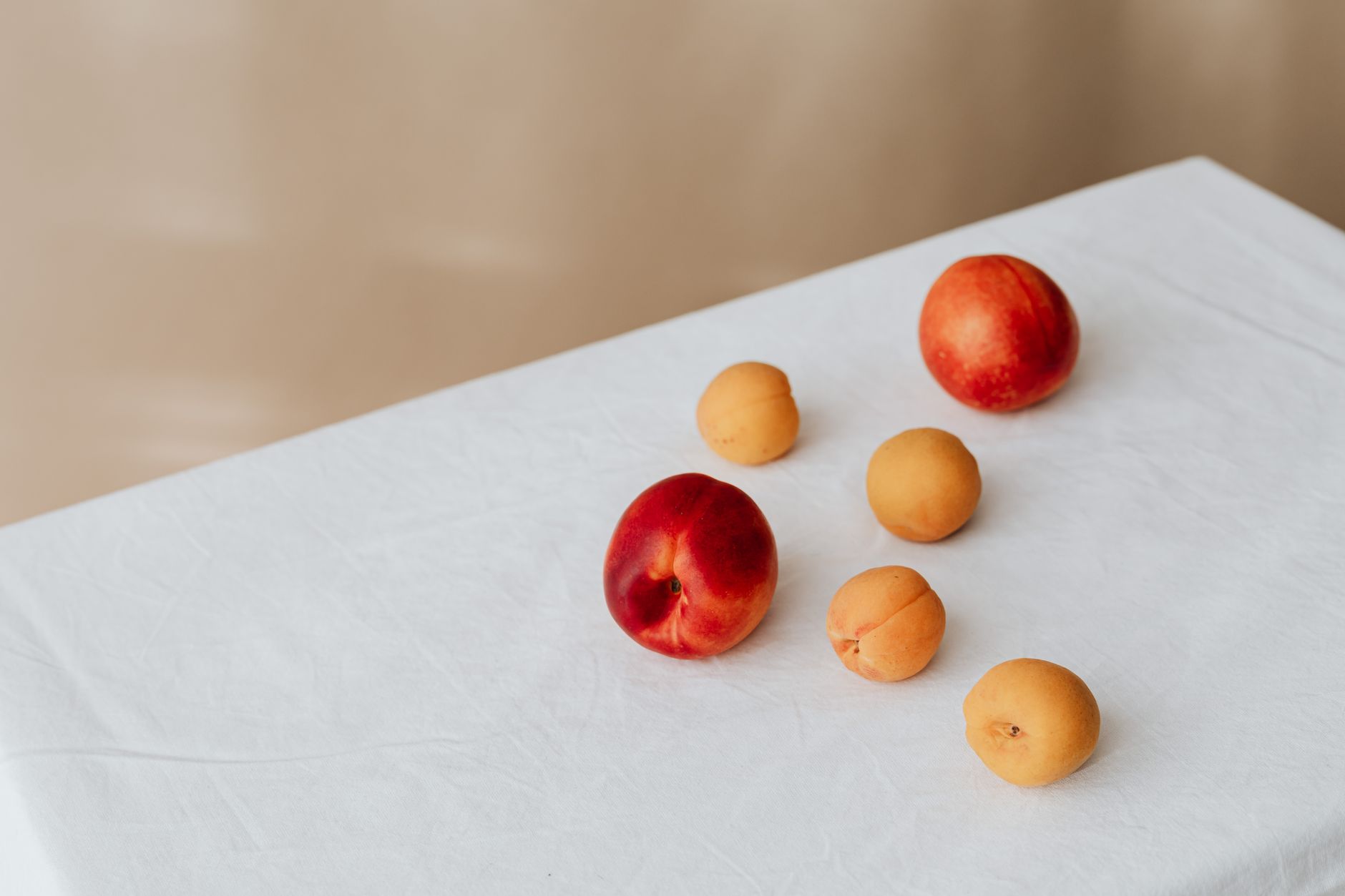
Peaches are a sweet summer fruit that many people enjoy, and it is natural to wonder whether a dog can safely have a bite. The short answer is that dogs can eat small amounts of fresh peach flesh, but peach skin and other parts of the fruit require more careful consideration. Many pet owners search for answers to questions like “can dogs eat peach skin” or “can dogs eat peaches with skin” because the fruit appears harmless, yet some parts of peaches can create avoidable risks.
The main issue is not that peach skin is considered highly toxic to dogs. The concern is that the skin can carry bacteria, pesticides, or digestive irritants, while the fruit’s pit presents a much more serious hazard. Responsible feeding is less about labeling a food as simply safe or unsafe and more about understanding preparation, portion size, and your individual dog’s health. A healthy dog may tolerate a small amount of properly prepared peach, while another dog with digestive problems may react poorly.
Are Peaches Safe for Dogs to Eat?
Fresh peach flesh can be a dog-friendly treat when offered in moderation. Peaches contain water, fiber, and nutrients such as vitamins A and C, although dogs should still receive most of their nutrition from a complete and balanced dog food formulated for their life stage. Fruit should be viewed as an occasional snack rather than a replacement for a proper diet.
The safest way to give peaches to dogs is to remove the pit, wash the fruit thoroughly, and cut it into small pieces that are easy to chew. Large chunks can create choking risks, especially for smaller breeds or dogs that tend to swallow food quickly. Dogs also do not need added sugar, syrups, or processed peach products, which can contain ingredients that are unsuitable for pets.
Can Dogs Eat Peach Skin?
Dogs can technically eat peach skin in small amounts, but removing the skin is usually the safer choice. Peach skin is not considered a major toxin for dogs in the way that the pit can be, but it may be harder for some dogs to digest. The outer layer of the fruit contains fiber, and too much fiber introduced suddenly can lead to stomach upset, including gas, loose stool, or vomiting.
Another consideration is how the peach was grown and handled. Fruit skins can collect residues from agricultural treatments, dirt, and microorganisms during harvesting, transportation, and storage. Washing fruit reduces these concerns, but peeling the peach removes an additional layer of uncertainty. For owners who want the lowest-risk option, serving peeled peach pieces is a practical approach.
Why Peach Skin May Cause Problems for Some Dogs
Digestive Sensitivity and Fiber Content
Every dog’s digestive system responds differently to new foods. A dog that regularly eats a stable diet may experience diarrhea or stomach discomfort after eating unfamiliar fruit, even if the food itself is not poisonous. Peach skin adds extra plant fiber that some dogs process poorly, particularly dogs with sensitive stomachs or existing gastrointestinal conditions.
When introducing any new treat, veterinarians commonly recommend starting with a very small amount and watching for changes. Signs such as repeated vomiting, persistent diarrhea, reduced appetite, or unusual tiredness may indicate that the food does not agree with the dog and may require veterinary advice if symptoms continue.
Residue and Food Safety Concerns
Like many fruits and vegetables, peaches should be cleaned before consumption. Dogs often eat quickly and may consume more of the surface of a food than a person would expect. Removing the skin is not mandatory in every situation, but it is a simple preparation step that can reduce exposure to surface contaminants.
Owners should also avoid giving dogs peaches that are moldy, fermented, or spoiled. Overripe fruit can contain compounds produced during decay that may upset a dog’s digestive system. Fresh, clean, properly stored fruit is the appropriate choice when offering peaches as an occasional treat.
The Biggest Peach-Related Danger: The Pit
The peach pit is a far greater concern than the skin. A peach pit can cause physical blockage if swallowed, especially in smaller dogs. Intestinal blockages can become serious medical emergencies because the object may prevent food and fluids from moving normally through the digestive tract.
Peach pits also contain naturally occurring compounds that can release cyanide when broken down. The risk depends on factors such as the amount consumed and whether the pit was crushed, but there is no reason to expose a dog to this hazard. Dogs should never be allowed to chew on or play with peach pits.
How to Prepare Peaches for Dogs Safely
If you decide to share peach with your dog, preparation matters. A few simple steps can make the treat safer and easier for your pet to digest. The fruit should be treated like any other occasional human food: carefully selected, properly prepared, and offered in moderation.
- Wash the peach thoroughly before cutting it.
- Remove the pit completely and discard it where your dog cannot access it.
- Consider peeling the peach, especially for dogs with sensitive digestion.
- Cut the fruit into small, bite-sized pieces.
- Offer only a small portion as a treat.
Can Puppies Eat Peach Skin?
Puppies require extra caution because their digestive systems are still developing. While a tiny amount of peach flesh may not be harmful for many puppies, introducing new foods too often can interfere with consistent nutrition and make it difficult to identify the cause of digestive problems.
Peach skin is generally not the best choice for puppies because young dogs may be more sensitive to dietary changes. Puppy diets should primarily consist of food specifically designed to support growth, and treats should make up only a small portion of daily intake. Owners should also consider their puppy’s breed, size, and health before introducing unfamiliar foods.
How Much Peach Can a Dog Eat?
The right amount depends on the dog’s size, activity level, overall diet, and health. A large dog may tolerate a few small pieces, while a small dog may only need a tiny bite. Too much peach can contribute unnecessary calories and sugar while increasing the chance of digestive upset.
A useful approach is to follow the general principle that treats should represent only a limited part of a dog’s daily calories. Even healthy foods can become unhealthy when given excessively. A dog that already receives multiple treats during the day may not need additional fruit.
| Peach Part | Safe for Dogs? | Important Considerations |
|---|---|---|
| Peach flesh | Generally yes, in moderation | Remove the pit and serve small pieces |
| Peach skin | Usually not toxic, but better removed | May cause digestive upset and can contain surface residues |
| Peach pit | No | Can cause blockage and contains potentially harmful compounds |
| Canned peaches | Usually not recommended | Often contain added sugar or syrup |
When Dogs Should Avoid Peaches
Although peaches may be acceptable for many healthy dogs, they are not suitable for every pet. Dogs with diabetes, weight management issues, chronic digestive conditions, or food sensitivities may need stricter dietary control. The natural sugar content of fruit can be an important consideration for dogs with certain medical conditions.
Dogs that have experienced reactions to new foods should also be introduced to peaches cautiously. Allergic reactions in dogs are less common than digestive intolerance, but owners should pay attention to symptoms such as itching, swelling, skin irritation, or breathing difficulties and seek veterinary help if severe reactions occur.
Peach Products That Dogs Should Not Eat
Fresh peach is very different from many peach-flavored human foods. Peach desserts, canned peaches in syrup, jams, baked goods, and sweetened drinks often contain excessive sugar and ingredients that dogs do not need. Some products may include artificial sweeteners such as xylitol, which is highly dangerous for dogs.
Even products that appear fruit-based should be checked carefully. A label that says “peach” does not automatically mean the product is appropriate for pets. Dogs benefit most from simple, whole foods without added ingredients.
What to Do If a Dog Eats a Peach Pit
If a dog swallows a peach pit, owners should contact a veterinarian for guidance rather than waiting for symptoms. The seriousness depends on the dog’s size, the pit size, and whether the pit was swallowed whole or broken apart. Signs of a possible obstruction can include vomiting, loss of appetite, abdominal discomfort, lethargy, or difficulty passing stool.
Early professional advice can be important because treatment options may depend on how recently the pit was consumed. Owners should avoid attempting home remedies or forcing vomiting unless specifically instructed by a veterinary professional.
Final Verdict: Should Dogs Eat Peaches With Skin?
Dogs can eat small amounts of peach flesh, but peaches with skin are not the ideal choice. Removing the skin and pit creates a safer treat with fewer potential digestive and contamination concerns. The fruit itself can be an enjoyable occasional snack, but it should never replace balanced dog nutrition.
The most responsible approach is simple: prepare peaches carefully, offer only a small amount, and consider your dog’s individual health needs. A treat should add enjoyment without creating unnecessary risk, and a few extra preparation steps can help make sharing human foods safer for your companion.
Frequently Asked Questions
Can dogs eat peach skin if the peach is washed?
Yes, some dogs may tolerate a small amount of washed peach skin, but peeling the peach is generally the safer option. Skin can be harder to digest for some dogs and may contribute to stomach upset.
Can dogs eat peaches with the skin and pit removed?
Many healthy dogs can eat small pieces of peach when the pit is completely removed. Removing the skin is optional but may reduce digestive concerns and make the fruit easier to tolerate.
How much peach can I give my dog?
The amount depends on your dog’s size, health, and diet. Start with a small piece and avoid making fruit a large part of your dog’s daily food intake.
Are canned peaches safe for dogs?
Canned peaches are generally not recommended because many contain added sugar, syrup, or other ingredients that are unnecessary and potentially unhealthy for dogs.
What happens if my dog eats a peach pit?
A swallowed peach pit can create a choking or intestinal blockage risk and may expose a dog to harmful compounds. Contact a veterinarian for advice if your dog consumes one.