A dog that starts coughing, sneezing, or developing a runny nose may appear to have the canine version of a human cold. The resemblance is real, but the diagnosis is not that simple. Dogs can develop several respiratory illnesses that produce similar symptoms, and problems outside the respiratory system can sometimes cause coughing or nasal signs as well.
For an owner, the most useful first step is not naming the illness. It is deciding whether the dog is breathing comfortably, behaving normally, and remaining stable. Those observations help separate a mild respiratory problem from one that deserves prompt veterinary attention.
Use a Three-Level Check: Breathing, Behavior, and Progression
When cold-like symptoms appear, evaluate these three areas before focusing on the individual sneeze or cough.
| What to Check | Lower Concern | Higher Concern |
|---|---|---|
| Breathing | Quiet and comfortable while resting | Rapid, labored, noisy, or visibly difficult |
| Behavior | Still responsive, drinking, and interested in normal activities | Weak, unusually sleepy, withdrawn, or refusing food |
| Progression | Mild signs that remain stable or improve | Symptoms becoming more frequent or severe |
This approach is more useful than assuming that every dog with a runny nose has a minor cold.
Signs That Can Resemble a Cold in Dogs
A mild upper respiratory problem can produce symptoms that look familiar to people.
- sneezing;
- clear nasal discharge;
- watery eyes;
- mild coughing;
- slightly reduced activity;
- more sleeping than usual;
- temporary reduction in appetite.
These signs can occur together or separately. None of them identifies the exact cause by itself.
A dog that sneezes several times but then behaves normally may simply need observation. A dog with coughing, poor appetite, lethargy, and increasingly difficult breathing presents a very different situation.
A “Dog Cold” Is Not One Specific Disease
People often use the phrase dog cold to describe any mild respiratory illness. In veterinary medicine, several different conditions can produce that appearance.
Possibilities can include:
- canine infectious respiratory disease;
- canine influenza;
- other viral or bacterial respiratory infections;
- airway irritation;
- nasal inflammation;
- pneumonia;
- foreign material in the nose;
- chronic airway disorders;
- some cardiac conditions.
The overlap between symptoms is why owners generally cannot identify the exact infection from a cough or sneeze alone.
Ask Where Your Dog Has Been Recently
Exposure history can provide one of the strongest clues that an infectious respiratory problem is possible.
Think back over recent days. Has the dog been to:
- a boarding facility;
- dog daycare;
- a grooming salon;
- a dog park;
- a training class;
- an animal shelter;
- a dog event;
- a home with another coughing dog?
Respiratory pathogens can spread more easily when many dogs share close indoor spaces, common equipment, water bowls, or repeated nose-to-nose contact.
A new cough after recent group exposure is therefore more suggestive of contagious respiratory disease than the same cough in a dog with no recent contact history.
A Honking Cough Is Different From a Simple Sneeze
The character of a cough can help describe the problem to a veterinarian.
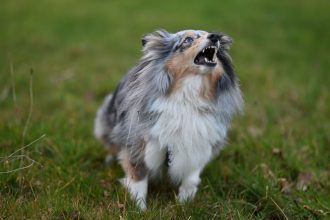
Dry, harsh, or honking cough
This pattern is commonly associated with infectious tracheobronchitis, often called kennel cough. Some dogs cough repeatedly and then gag or retch at the end of an episode.
Deeper or wetter-sounding cough
A moist or deeper cough can raise greater concern when it is accompanied by lethargy, fever, poor appetite, or abnormal breathing.
Occasional cough with excitement
Some airway conditions become more noticeable when the dog exercises, pulls against a collar, or becomes excited. This pattern is not specific enough to determine the cause by itself.
If possible, recording a brief video can be useful because a dog may not cough during a veterinary appointment.
Kennel Cough Can Occur Without a Kennel Stay
The name can be misleading. A dog does not have to stay in a boarding kennel to develop infectious respiratory disease.
Any environment where dogs interact closely can provide opportunities for transmission.
Typical signs may include:
- persistent dry coughing;
- gagging after coughing;
- sneezing;
- nasal discharge;
- mild reduction in activity.
Some affected dogs remain bright and continue eating normally. Others become more systemically ill. Worsening lethargy, appetite loss, fever, or breathing changes should not be treated as routine kennel cough without veterinary evaluation.
Canine Influenza Can Produce a Similar Picture
Canine influenza may also cause:
- coughing;
- nasal discharge;
- fever;
- reduced appetite;
- low energy.
These signs overlap substantially with other canine respiratory infections. Exposure history and veterinary examination are therefore more informative than attempting to diagnose influenza from symptoms alone.
Your Human Cold Is Usually Not the Explanation
The viruses responsible for ordinary human colds are generally adapted to humans rather than dogs. If you develop a common cold and your dog begins sneezing at the same time, that does not automatically mean you infected your pet.
For routine canine respiratory disease, recent exposure to other dogs is usually more relevant.
However, because some respiratory pathogens can cross species boundaries, normal hygiene remains sensible whenever a person or animal in the household is ill.
The Nose Can Provide Clues, but Not a Diagnosis
When nasal discharge is present, look at more than the fact that the nose is running.
Notice:
- whether discharge comes from one nostril or both;
- whether it is clear, cloudy, thick, or bloody;
- whether sneezing is occasional or persistent;
- whether the dog repeatedly paws at its nose;
- whether nasal breathing seems obstructed.
Persistent discharge from only one nostril may point toward a localized nasal problem rather than a routine generalized respiratory infection.
Foreign material such as plant debris can also produce repeated sneezing and one-sided nasal irritation.
A Dry Nose Does Not Tell You Whether the Dog Has a Fever
A dog’s nose can become warm or dry for many normal reasons, including sleep, environmental conditions, and temporary changes in hydration.
It is therefore not a reliable fever test.
If fever is suspected because the dog is lethargic, shivering, eating poorly, or clearly unwell, body temperature needs to be assessed properly rather than estimated from the nose.
Eye Changes Can Accompany Respiratory Illness
Watery eyes may occur with some upper respiratory infections, but not every eye problem belongs to a cold.
Seek veterinary attention if you notice:
- significant redness;
- repeated squinting;
- the eye being held closed;
- thick discharge;
- repeated rubbing of the face;
- obvious eye pain.
Eye pain should be evaluated rather than assumed to be a harmless respiratory symptom.
Appetite Is a Useful Severity Indicator
Dogs with mild respiratory illness may continue eating normally or show only a small temporary decrease in interest.
Loss of appetite becomes more significant when it appears with:
- marked lethargy;
- repeated coughing;
- fever;
- vomiting;
- difficulty breathing;
- rapid deterioration.
A dog that is no longer interested in food and is clearly less responsive deserves more attention than a dog that sneezes occasionally while otherwise behaving normally.
Breathing Changes Matter More Than the Sound of the Cough
The most important respiratory observation is whether air is moving comfortably.
Evaluate the dog while it is resting and not immediately after exercise, excitement, or exposure to heat.
Warning signs include:
- obvious effort with each breath;
- rapid breathing while resting;
- strong abdominal movement during breathing;
- open-mouth breathing without heat or exercise;
- an extended neck posture used to breathe;
- blue, gray, or unusually pale gums;
- weakness or collapse.
Difficulty breathing is not a symptom to monitor casually at home. It warrants urgent veterinary attention.
Pneumonia Is One Reason Worsening Symptoms Matter
A respiratory infection can sometimes progress beyond the upper airway and involve the lungs.
Signs that increase concern for lower respiratory disease include:
- a worsening or deeper cough;
- fever;
- marked lethargy;
- poor appetite;
- rapid breathing;
- increased effort to breathe;
- weakness.
A dog becoming progressively more ill should not continue to be managed as though it simply has a cold.
Some Coughs Are Not Caused by Infection at All
Respiratory noises can have noninfectious causes.
For example, coughing may occur with:
- airway inflammation;
- smoke or chemical irritation;
- tracheal disorders;
- chronic bronchial disease;
- heart disease;
- other thoracic conditions.
This possibility becomes especially important when a cough is chronic, repeatedly returns, occurs primarily during exercise or sleep, or has no obvious connection to contact with other dogs.
Reverse Sneezing Is Often Mistaken for Coughing
Reverse sneezing can look dramatic. During an episode, a dog rapidly pulls air inward through the nose, producing repeated snorting or honking sounds.
Many episodes are brief and resolve without intervention.
Repeated episodes deserve further assessment if they:
- become increasingly frequent;
- last unusually long;
- occur with nasal discharge;
- are accompanied by breathing difficulty;
- cause collapse or marked distress.
Video is particularly useful for distinguishing reverse sneezing from coughing or other respiratory events.
When Mild Symptoms Can Be Watched at Home
Short-term monitoring may be reasonable when all of the following remain true:
- breathing is comfortable;
- symptoms are mild;
- the dog remains responsive and reasonably active;
- food and water intake remain close to normal;
- there is no significant pain;
- the condition is not getting worse.
Continue checking the dog because respiratory disease can change after the first symptoms appear.
Supportive Care Should Stay Simple
For a mild respiratory problem being monitored at home, general supportive care can include:
- providing constant access to fresh water;
- allowing additional rest;
- reducing strenuous exercise;
- keeping the dog away from cigarette smoke and strong chemical fumes;
- monitoring appetite;
- keeping the resting environment comfortable;
- checking for changes in breathing effort.
The purpose is not to treat an unknown disease with household remedies. It is to keep the dog comfortable while observing whether symptoms improve or progress.
Keep a Coughing Dog Away From Other Dogs
Until you know whether respiratory signs are contagious, limiting contact with other dogs is a sensible precaution.
Temporarily avoid:
- dog parks;
- daycare;
- boarding;
- group training;
- grooming appointments;
- playdates;
- shared communal water bowls.
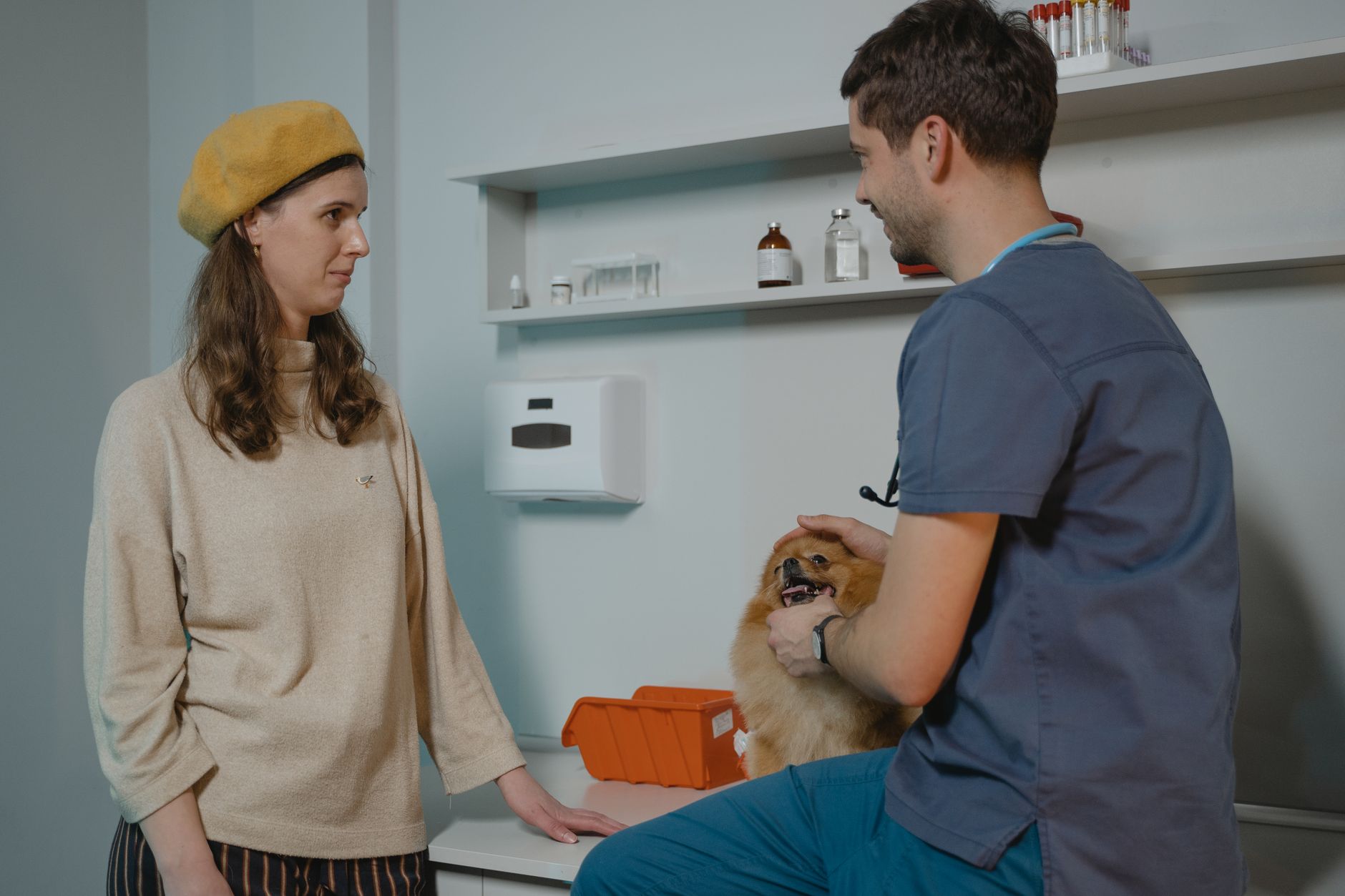
If a veterinary visit is needed, tell the clinic that the dog is coughing or sneezing before entering a crowded waiting room. The clinic may use a different arrival procedure to reduce exposure to other patients.
Human Cold Medicine Is Not a Safe Shortcut
Do not treat a dog’s respiratory symptoms by giving human cold or flu medication without veterinary direction.
Human combination products may contain:
- decongestants;
- pain relievers;
- antihistamines;
- cough suppressants;
- stimulants;
- sweeteners;
- multiple active ingredients.
Some ingredients can be toxic to dogs, while others may only be safe under specific veterinary dosing instructions.
A dog’s cough should be diagnosed before medication is selected.
Antibiotics Are Not a Universal Treatment for a Dog Cold
Respiratory disease can involve viruses, bacteria, or combinations of organisms. Antibiotics do not treat viral infections and are not automatically appropriate whenever a dog coughs.
Whether an antibiotic is useful depends on the suspected disease, severity, examination findings, and sometimes diagnostic testing.
Do not use leftover antibiotics from a previous illness or from another animal.
When a Veterinary Appointment Is the Better Next Step
Contact a veterinarian if your dog has:
- a persistent cough;
- symptoms that are becoming worse rather than better;
- significant loss of appetite;
- marked lethargy;
- fever;
- thick nasal discharge;
- blood from the nose;
- repeated severe sneezing;
- frequent gagging;
- eye pain or substantial eye discharge;
- recurrent respiratory episodes.
The threshold for evaluation should also be lower when the dog is very young, elderly, or already has a chronic medical condition.
These Signs Need Urgent Care
Some respiratory symptoms should not wait for a routine appointment.
Seek urgent veterinary care for:
- significant difficulty breathing;
- rapidly worsening respiratory effort;
- blue or gray gums;
- very pale gums with weakness;
- collapse;
- severe weakness;
- inability to settle because of breathing difficulty;
- rapid deterioration in overall condition.
In these situations, the priority is stabilizing the dog’s breathing rather than determining whether the original illness resembled a cold.
Puppies Deserve Extra Caution
A respiratory illness can affect a young puppy differently from a healthy adult dog.
Prompt veterinary advice is appropriate when a puppy with coughing, sneezing, or nasal discharge also develops:
- poor appetite;
- weakness;
- unusual sleepiness;
- vomiting;
- diarrhea;
- dehydration;
- abnormal breathing.
Young puppies can deteriorate quickly and may also be vulnerable to infectious illnesses that require specific treatment.
A New Cough in a Senior Dog Should Not Automatically Be Called a Cold
Older dogs have a broader range of possible explanations for coughing, including chronic airway disease and cardiac problems.
A new cough in a senior dog deserves particular attention if it occurs with:
- reduced exercise tolerance;
- weakness;
- weight loss;
- poor appetite;
- nighttime restlessness;
- changes in breathing at rest.
Persistent symptoms are more informative than a single isolated episode.
A Practical Symptom Triage Guide
| Situation | Suggested Response |
|---|---|
| Several sneezes but dog is otherwise normal | Monitor for additional symptoms |
| Mild cough after recent dog-to-dog exposure | Limit contact with other dogs and monitor progression |
| Cough plus reduced appetite | Contact a veterinarian |
| Persistent one-sided nasal discharge | Arrange veterinary evaluation |
| Cough becoming deeper or more frequent | Seek veterinary advice |
| Dog becomes lethargic or weak | Move from observation to veterinary assessment |
| Breathing is visibly difficult | Seek urgent veterinary care |
What to Track if Symptoms Continue
A short respiratory log can make patterns easier to identify and provide useful information during a veterinary consultation.
Record:
- when symptoms first appeared;
- how often the dog coughs or sneezes;
- whether the cough is dry, harsh, deep, or wet-sounding;
- what triggers coughing episodes;
- the appearance of nasal discharge;
- changes in appetite;
- changes in water intake;
- changes in activity;
- recent contact with other dogs;
- boarding, grooming, daycare, or travel history;
- current medications;
- whether symptoms are improving, stable, or worsening.
A video of an episode can provide additional context when describing a cough, gag, reverse sneeze, or unusual breathing sound.
Think Severity First, Diagnosis Second
Cold-like symptoms in dogs occupy a broad range. At one end is a dog with occasional sneezing, normal breathing, good appetite, and normal activity. At the other is a dog with worsening cough, poor appetite, marked lethargy, and visible respiratory effort.
Both dogs may initially appear to “have a cold,” but they do not require the same response.
The most reliable home assessment is not deciding which respiratory infection your dog has. It is watching breathing, appetite, energy, exposure history, and whether the condition is improving or deteriorating.
When those indicators remain reassuring, careful monitoring may be appropriate. When they do not, veterinary evaluation is safer than assuming the illness is minor.