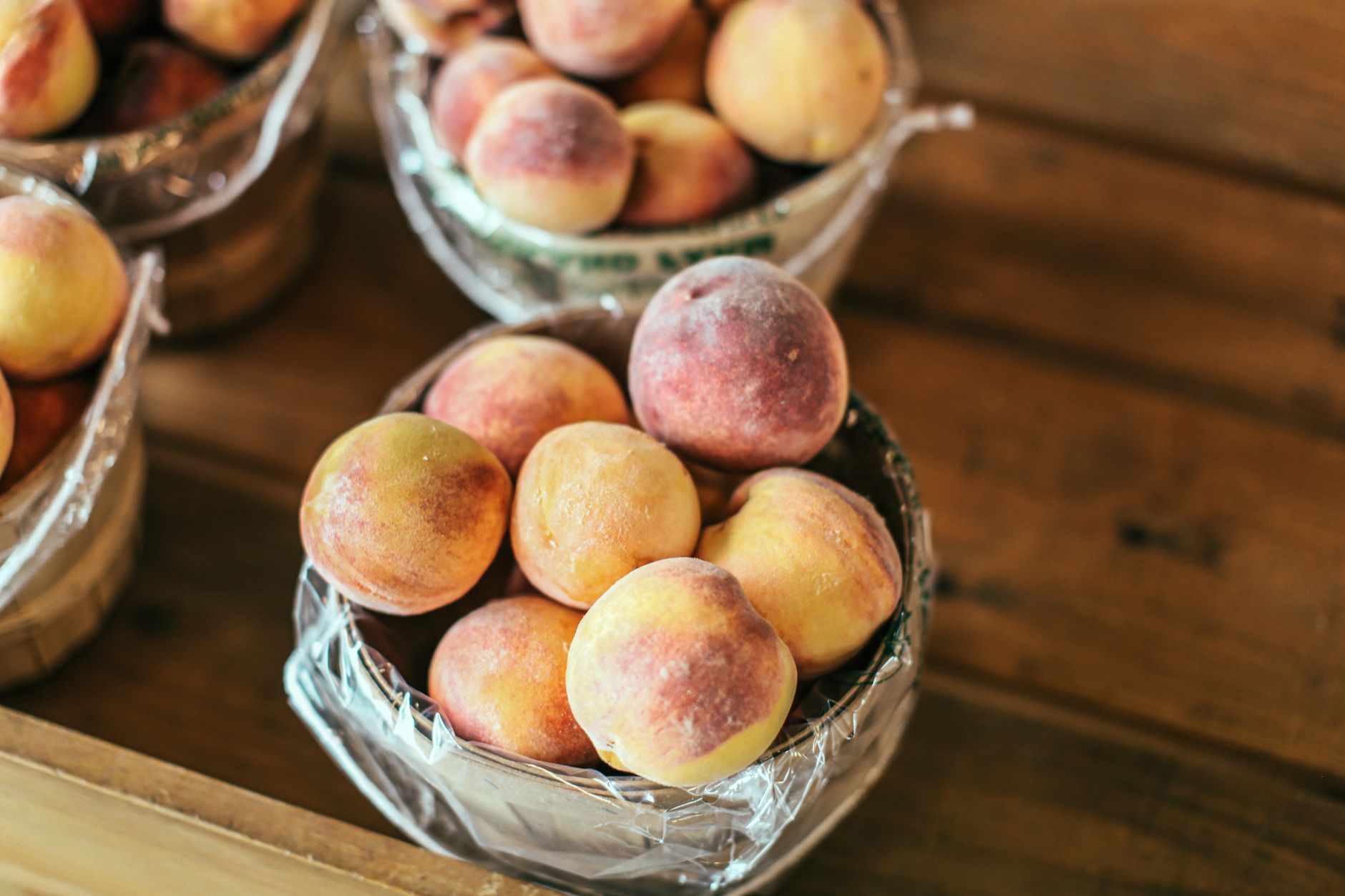
Many dog owners enjoy sharing small pieces of food with their pets, especially when the food appears healthy and natural. This often leads to the question: can dogs eat peaches? The answer is yes, dogs can eat peach flesh in moderation, but there are important safety considerations that owners need to understand before offering this sweet fruit.
Peaches contain nutrients such as vitamins, minerals, fiber, and water, which can make them an occasional treat for some dogs. However, parts of the peach can create serious risks. The pit is the biggest concern because it can cause choking, intestinal blockage, and contains compounds that may release harmful substances when broken down.
Like many human foods, peaches are not automatically safe just because they are nutritious for people. The way the fruit is prepared, the amount given, and the dog’s individual health all determine whether peaches are an appropriate treat.
Are Peaches Safe for Dogs?
Dogs can generally eat the flesh of fresh peaches when the fruit is properly prepared. The edible portion contains water, natural sugars, fiber, and several nutrients that may complement a balanced canine diet when offered occasionally.
However, peaches should never replace a dog’s regular food. Dogs have specific nutritional requirements, and treats, including fruit, should make up only a small portion of their overall diet.
The safest way to offer peaches is:
- Wash the peach thoroughly before serving.
- Remove the pit completely.
- Cut the flesh into small, manageable pieces.
- Offer only a small amount as an occasional treat.
- Monitor the dog for any digestive reaction.
Fresh peach flesh can be a refreshing treat, especially during warm weather, but preparation is essential.
Why Peach Pits Are Dangerous for Dogs
The peach pit is the most important safety concern when giving peaches to dogs. A dog should never be allowed to chew on or swallow a peach pit.
There are several reasons peach pits are dangerous:
- Choking hazard: A pit can become stuck in a dog’s throat, especially in smaller dogs.
- Digestive blockage: If swallowed, the pit may obstruct the intestines and require veterinary treatment.
- Physical injury: The hard surface can damage teeth or cause internal irritation.
- Toxic risk: Peach pits contain compounds related to cyanide that may become harmful when the pit is damaged or digested.
Even if a dog appears fine after swallowing a pit, owners should not assume there is no danger. Intestinal blockages and other complications may not appear immediately.
Can Dogs Eat Peach Skin?
Peach skin is not generally considered toxic to dogs, and many dogs can tolerate small amounts. However, the skin can sometimes be harder to digest, especially for dogs with sensitive stomachs.
Some peaches may also contain surface residues from farming or handling, so washing the fruit before offering it is important.
For dogs that have never eaten peaches before, removing the skin may make the first introduction easier on the digestive system. Owners can then observe how the dog reacts before deciding whether small amounts of skin are appropriate.
Nutritional Benefits of Peaches for Dogs
Peaches are not a necessary part of a dog’s diet, but their nutritional profile explains why some owners choose to offer them as an occasional snack.
Potential nutritional components include:
| Nutrient | Potential Role |
|---|---|
| Water | Supports hydration as part of overall fluid intake |
| Fiber | Helps support normal digestion |
| Vitamin C | Acts as an antioxidant nutrient |
| Vitamin A | Supports normal vision and immune function |
| Potassium | Important for normal body functions |
Although these nutrients are beneficial, dogs should receive the majority of their nutrition from complete and balanced dog food designed for their species and life stage.
How Much Peach Can a Dog Eat?
The appropriate amount of peach depends on the dog’s size, health, activity level, and overall diet. A small dog may only need a tiny piece, while a larger dog may tolerate a few pieces as an occasional treat.
Too much peach can create problems because fruit contains natural sugars and fiber. Excessive amounts may lead to digestive upset, including loose stool, gas, or stomach discomfort.
A practical approach is to introduce a small amount first and observe the dog’s response. New foods should be added gradually rather than introduced in large portions.
Possible Problems From Feeding Peaches to Dogs
While peach flesh is safe for many dogs, it is not suitable for every dog. Individual health conditions and sensitivities can change how a dog responds.
Potential issues include:
- Digestive upset: Too much fruit may cause diarrhea or stomach discomfort.
- Weight concerns: Extra treats add calories and may contribute to weight gain if not balanced.
- Food sensitivity: Some dogs may react poorly to new foods.
- Diabetes considerations: Dogs with certain health conditions may need stricter dietary control.
Owners should consider their dog’s individual situation rather than assuming every healthy food for humans is suitable for every dog.
Fresh Peaches vs Canned Peaches: Which Is Safer?
Fresh peaches are generally the better choice when sharing this fruit with dogs. Canned peaches often contain added sugars, syrups, preservatives, or other ingredients that are unnecessary and potentially unhealthy for pets.
| Type of Peach | Consideration for Dogs |
|---|---|
| Fresh peach | Usually the best option when pit is removed and fruit is washed |
| Canned peach | May contain added sugar or syrup |
| Peach desserts | May contain unsafe ingredients such as sweeteners or excess fat |
| Peach-flavored products | May contain artificial ingredients or xylitol |
Dogs do not need sweetened fruit products. Plain, fresh peach flesh is the safer choice if peaches are offered at all.
What to Do If Your Dog Eats a Peach Pit
If a dog swallows a peach pit, the safest action is to contact a veterinarian for guidance. The risk depends on factors such as the dog’s size, the pit’s condition, and whether symptoms develop.
Signs that may indicate a problem include:
- Vomiting
- Loss of appetite
- Lethargy
- Abdominal discomfort
- Difficulty passing stool
- Changes in behavior
Owners should avoid trying to solve the situation with unverified home remedies. Veterinary professionals can determine the safest next step based on the circumstances.
How to Safely Introduce Peaches to Your Dog
When introducing any new food, including peaches, a gradual approach is best. Dogs can have different digestive responses, and introducing too much too quickly makes it harder to identify the cause of a reaction.
- Choose a fresh peach without added ingredients.
- Wash the fruit thoroughly.
- Remove the pit completely.
- Cut a small piece of flesh.
- Monitor your dog afterward.
If the dog shows signs of digestive discomfort, discontinue the treat and consult a veterinarian if symptoms are concerning or persistent.
Dogs That May Need Extra Caution With Peaches
Healthy dogs can often enjoy small amounts of peach, but some dogs require more careful dietary decisions.
Extra caution may be appropriate for:
- Dogs with diabetes
- Dogs with sensitive digestion
- Dogs with weight management issues
- Dogs with known food allergies
- Dogs following veterinary-prescribed diets
When a dog has an existing medical condition, it is best to ask a veterinarian before adding new treats.
The Final Answer: Can Your Dog Eat Peaches?
Yes, many dogs can eat peaches safely when they are prepared correctly. The flesh can be an occasional treat, but the pit must always be removed because it creates choking, blockage, and potential toxicity risks.
The safest approach is moderation. Peaches should complement a balanced diet rather than become a regular replacement for nutritious dog food.
Understanding both the benefits and risks allows owners to make informed decisions. A small piece of properly prepared peach can be a refreshing treat for many dogs, but careful preparation and awareness remain the most important parts of keeping pets safe.