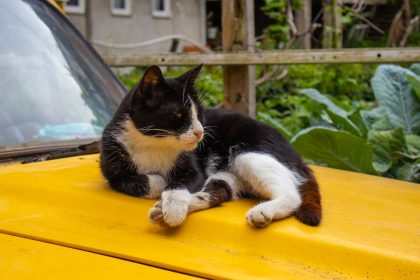
You can keep cats off your car by eliminating warmth attraction, using scent and texture deterrents, applying motion-based repellents, and making the area less appealing over time. Cats sit on cars fo...

Your cat peed on your bed because of stress, medical issues, scent-seeking behavior, or litter box problems. Beds smell strongly like their owners, feel safe, and absorb urine easily, making them a co...
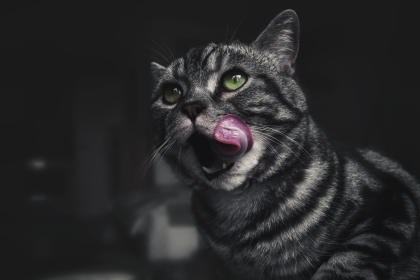
Your cat licks you when you pet her because she is showing affection, engaging in social grooming, and responding positively to touch. In some cases, licking also helps her regulate stimulation or com...

Cats lay in the litter box when they feel unwell, stressed, insecure, or uncomfortable elsewhere in their environment. Because this behavior can signal pain or illness, especially urinary problems, it...

Female cats usually go into heat for the first time between 4 and 6 months of age. Some cats may enter heat as early as 3 months, while others may not cycle until 7–9 months, depending on breed, body ...
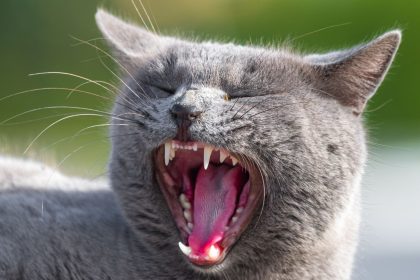
If you’ve ever watched your cat yawn—really yawn—you may have caught yourself thinking: “That looks like more than one jaw… right?” From a pawrent’s point of...
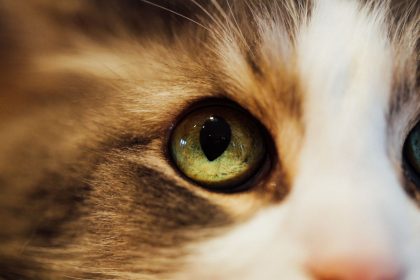
Your cat’s eye is watery because of irritation, infection, allergies, blocked tear ducts, injury, or underlying illness. Occasional tearing can be harmless, but persistent or worsening watery ey...
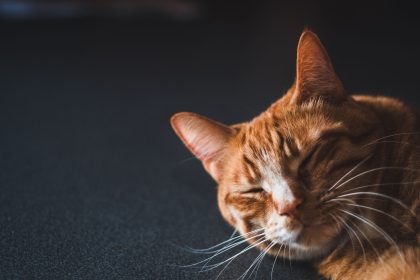
When a cat purrs, it usually means the cat is communicating comfort, contentment, or a need for reassurance. However, purring does not always mean happiness. Cats also purr when stressed, scared, inju...

Cats wag their tails while lying down to communicate internal emotional states, process sensory input, regulate arousal, or signal irritation. Unlike dogs, tail movement in cats is rarely a sign of ha...
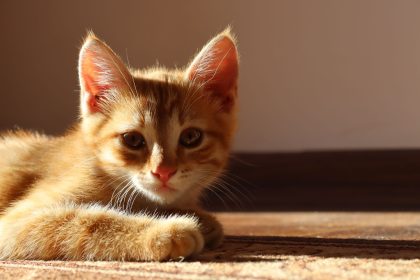
Every pawrent has had this moment: You see a post online celebrating cats, you look at your own cat—sleeping, judging, or demanding food—and you think: “Wait… is today Nationa...