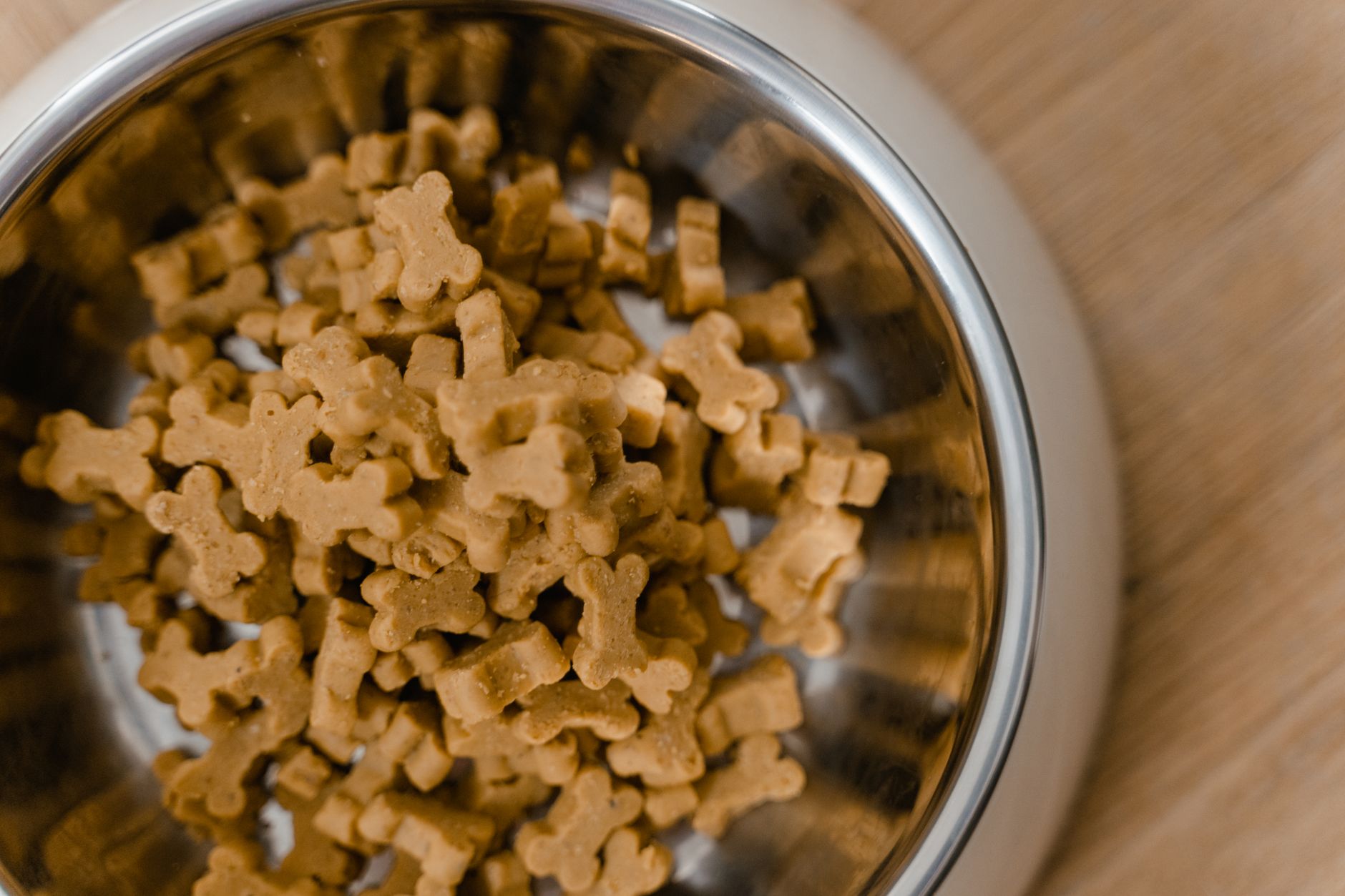
Choosing the right food for a dog is more complicated than simply finding something that looks nutritious or appealing. Dogs have different nutritional requirements from humans, and some foods commonly found in kitchens or even marketed for pets can create health risks when used incorrectly.
The most important distinction for owners is understanding the difference between food that is unsuitable, food that is unhealthy when overfed, and ingredients that can be genuinely dangerous. A responsible feeding plan protects dogs from nutritional imbalance, digestive problems, and preventable emergencies.
Why Certain Foods Are Harmful to Dogs
Dogs are adaptable animals, but their bodies process nutrients differently from people. A food that is safe for humans may contain compounds that dogs cannot tolerate or may provide excessive amounts of fat, salt, or calories.
Food-related risks generally fall into four categories:
- Toxic ingredients: Substances that can interfere with normal body functions or cause poisoning.
- Poor nutritional balance: Foods that lack the nutrients dogs require or contain inappropriate proportions.
Ingredients that may trigger vomiting, diarrhea, or discomfort. - Excessive calories or unhealthy additives: Foods that contribute to obesity or chronic health problems.
Human Foods That Should Not Be Given to Dogs
| Food | Risk to Dogs | Potential Effects |
|---|---|---|
| Chocolate | Contains theobromine and caffeine, which dogs process poorly. | Vomiting, agitation, abnormal heart rhythm, seizures. |
| Grapes and raisins | Associated with kidney injury in some dogs. | Vomiting, weakness, kidney failure. |
| Xylitol-containing products | Causes rapid insulin release and dangerous blood sugar drops. | Collapse, seizures, liver complications. |
| Onions and garlic | Can damage red blood cells. | Anemia, weakness, digestive problems. |
| Alcohol | Dogs are highly sensitive to alcohol toxicity. | Coordination problems, breathing issues, coma. |
Common Kitchen Foods That Create Hidden Problems
Fatty Leftovers and Table Scraps
Many owners share leftovers with their dogs without realizing how quickly calories and fat can accumulate. Foods such as fried meat, bacon, gravy, and rich sauces may contribute to digestive upset and may increase the risk of pancreatitis in vulnerable dogs.
The problem is not only the individual meal but the repeated habit. A dog receiving frequent high-calorie human food can gain excess weight, which increases the risk of several health problems.
Cooked Bones
Bones are often associated with dogs, but cooked bones are particularly risky. Cooking changes their structure, making them more likely to splinter. Sharp fragments can cause choking, mouth injuries, intestinal blockage, or internal damage.
Safe chewing options should be designed specifically for dogs and selected according to the dog’s size and chewing behavior.
Dairy Products
Some dogs tolerate small amounts of dairy, while others lack sufficient ability to digest lactose. Milk, ice cream, and certain cheeses can cause stomach upset, especially when given in large quantities.
Raw Yeast Dough
Unbaked bread dough containing yeast can expand inside a dog’s stomach. Fermentation may also produce alcohol, creating additional health concerns beyond discomfort.
Problematic Ingredients Found in Some Dog Foods
Not every feeding risk comes from human food. Owners should also pay attention to the quality and suitability of commercial dog foods.
Excessive Fillers and Poor Nutritional Balance
Dogs need diets that provide appropriate levels of protein, fats, carbohydrates, vitamins, and minerals. A food that does not meet a dog’s life-stage requirements may contribute to nutritional deficiencies or excesses.
Puppies, adult dogs, senior dogs, and dogs with medical conditions may require different nutritional formulations. A food suitable for one dog may not be appropriate for another.
Foods Unsuitable for a Dog’s Health Condition
Some ingredients are not universally harmful but may be inappropriate for dogs with specific conditions. Dogs with kidney disease, food allergies, obesity, diabetes, or digestive disorders may require carefully managed diets.
Veterinary guidance becomes especially important when a dog has a diagnosed health issue because nutritional choices can influence disease management.
Ingredients Owners Should Check Carefully
- Xylitol: A sweetener found in some sugar-free products that can be extremely dangerous for dogs.
- High levels of sodium: Excess salt can contribute to health problems, particularly in sensitive animals.
- Artificial additives: Some dogs may be sensitive to certain preservatives or flavoring agents.
- Excessive fat: High-fat diets can contribute to digestive problems and unwanted weight gain.
Signs That a Dog May Have Eaten Something Harmful
Symptoms depend on the substance consumed, the quantity, and the individual dog. Owners should seek veterinary advice if they notice:
- Repeated vomiting or diarrhea.
- Loss of appetite.
- Unusual tiredness or weakness.
- Trembling, seizures, or abnormal behavior.
- Difficulty walking or poor coordination.
- Changes in drinking or urination.
- Breathing difficulties or collapse.
What To Do If Your Dog Eats Unsafe Food
- Identify exactly what the dog consumed and how much was eaten.
- Check the ingredient list if the food was processed or packaged.
- Contact a veterinarian for advice as soon as possible.
- Avoid attempting home remedies unless instructed by a professional.
Fast action matters because some toxic substances cause internal damage before obvious symptoms develop.
How to Choose Safer Food for Your Dog
A healthy dog diet should be based on the animal’s age, size, activity level, and medical needs. The best food is not necessarily the most expensive option but one that provides complete and balanced nutrition appropriate for the individual dog.
Owners should introduce new foods gradually to reduce digestive upset and should avoid making large dietary changes without a clear reason.
The Key Lesson for Dog Owners
Many feeding mistakes happen because dogs are eager to eat almost anything offered to them. Their enthusiasm should not be mistaken for safety.
The safest approach is simple: use complete dog nutrition as the foundation, treat human foods with caution, and avoid ingredients known to be harmful. Understanding what foods are bad for dogs is one of the most effective ways to protect a pet’s long-term health.