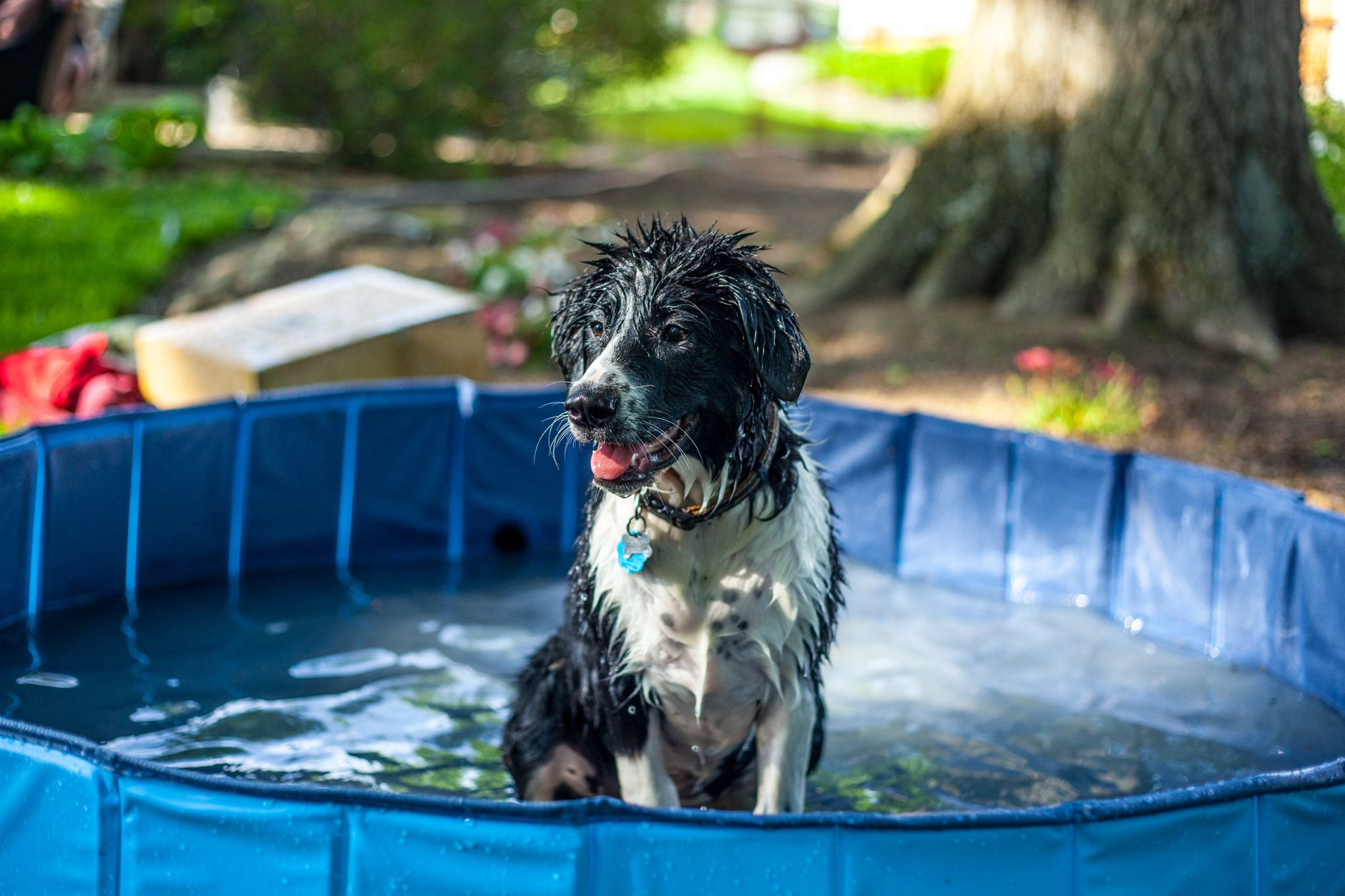
Summer heat creates a serious challenge for dogs because they regulate body temperature differently from humans. While people rely heavily on sweating to cool down, dogs primarily use panting and limited sweat glands in their paw pads. In hot or humid conditions, these cooling mechanisms may not be enough, especially for certain breeds, older dogs, puppies, and dogs with existing health problems.
Keeping a dog comfortable during warm weather requires more than simply providing water. Effective heat management combines environmental control, activity adjustments, hydration strategies, and awareness of early warning signs. The goal is to prevent overheating before it becomes a medical emergency.
Why summer heat is dangerous for dogs
Dogs can develop heat stress when their bodies absorb heat faster than they can release it. Unlike humans, dogs do not cool themselves efficiently through widespread sweating, which makes them more vulnerable during hot conditions.
Heat-related risks increase when:
- The temperature is high and humidity limits evaporation from panting.
- The dog exercises intensely during warm periods.
- The dog spends time on hot pavement, concrete, or other heat-retaining surfaces.
- The environment lacks shade, airflow, or access to fresh water.
- The dog belongs to a higher-risk group.
Heatstroke is a veterinary emergency. Signs can include excessive panting, weakness, drooling, confusion, vomiting, collapse, or seizures. Immediate cooling and veterinary care are important because severe overheating can damage organs. ([avma.org](https://www.avma.org/resources/pet-owners/petcare/hot-weather-safety-tips?utm_source=chatgpt.com))
Adjust exercise around the weather
One of the simplest ways to protect dogs in summer is changing when and how they exercise. A dog that happily runs during a cool morning may struggle during afternoon heat.
Better summer activity habits include:
- Walking early in the morning or later in the evening when temperatures are lower.
- Reducing intense exercise during heat waves.
- Choosing shaded routes with softer surfaces.
- Allowing more frequent rest breaks.
- Monitoring the dog instead of relying only on enthusiasm.
Some dogs will continue playing even when they are becoming dangerously overheated. Their excitement can hide physical limits, because apparently dogs decided that ignoring personal safety is part of the job description.
Create a cooler home environment
Dogs need a reliable place to escape heat when temperatures rise. Indoor environments should provide protection from direct sunlight and excessive warmth.
Helpful measures include:
- Keeping dogs indoors during the hottest part of the day when possible.
- Providing access to shaded resting areas.
- Using fans or air conditioning when available.
- Closing curtains or blinds to reduce direct sunlight.
- Offering cool resting surfaces away from heat sources.
Outdoor dogs require extra planning because shade changes throughout the day. A shaded area in the morning may become exposed by afternoon as the sun moves.
Keep water available and encourage hydration
Fresh water is one of the most important tools for summer safety. Dogs lose moisture through panting, and dehydration can make temperature regulation more difficult.
Good hydration practices include:
- Providing clean water throughout the day.
- Refreshing outdoor water bowls regularly.
- Carrying water during longer walks.
- Using multiple water stations in multi-dog households.
Some dogs drink less than expected even in warm weather. Monitoring normal drinking habits can help owners notice changes that may indicate stress or illness.
Protect paws from hot surfaces
Hot pavement can burn a dog’s paw pads even when the surrounding air temperature seems manageable. Asphalt and concrete absorb and retain heat, creating a risk during walks.
Before walking, check the surface by placing a hand against it for several seconds. If it feels uncomfortable to touch, it may be unsafe for your dog’s paws.
| Summer risk | Safer approach |
|---|---|
| Hot pavement | Walk on grass or cooler surfaces and avoid peak heat periods. |
| Direct sunlight | Provide shade and limit exposure during extreme temperatures. |
| Heavy exercise | Reduce intensity and allow frequent breaks. |
| Warm vehicles | Never leave a dog unattended in a parked vehicle. |
Know which dogs need extra protection
All dogs can overheat, but some face greater risks because of physical characteristics or health conditions.
Higher-risk dogs include:
- Brachycephalic breeds: Dogs with short noses, such as Bulldogs and Pugs, often have more difficulty breathing and cooling themselves.
- Senior dogs: Older dogs may have reduced ability to regulate temperature or underlying health concerns.
- Puppies: Young dogs may not regulate temperature as effectively as adults.
- Overweight dogs: Extra body weight can increase heat stress.
- Dogs with heart or respiratory conditions: These conditions can make heat tolerance lower.
Use cooling products carefully
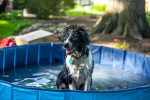
Cooling mats, wet towels, shallow pools, and other cooling tools can help some dogs manage warm weather. However, these products are support tools, not substitutes for avoiding dangerous heat.
Cooling methods should always allow the dog to move away if uncomfortable. Some dogs dislike certain textures or become stressed by unfamiliar equipment.
Grooming decisions matter in summer
Many owners assume shaving a dog’s coat is the best way to keep it cool, but the answer depends on the breed and coat type. A healthy coat can provide insulation against both heat and cold by regulating airflow close to the skin.
Instead of unnecessary shaving, focus on:
- Regular brushing to remove loose undercoat.
- Preventing mats that trap heat and moisture.
- Maintaining healthy skin and coat condition.
- Consulting a professional groomer for breed-specific advice.
Never leave a dog alone in a hot car
A parked vehicle can become dangerously hot within minutes, even when windows are cracked or the weather outside does not appear extreme. Leaving a dog inside a vehicle during warm conditions creates a serious risk of heatstroke.
The safest option is simple: do not leave a dog unattended in a parked car.
Recognizing overheating before it becomes an emergency
Early intervention can prevent severe illness. Warning signs include:
- Heavy or excessive panting.
- Unusual tiredness or weakness.
- Excessive drooling.
- Difficulty walking or coordination problems.
- Vomiting or diarrhea.
- Collapse or loss of consciousness.
If overheating is suspected, move the dog to a cooler area, begin gentle cooling measures, and seek veterinary advice. Extremely cold water or aggressive cooling methods may not always be appropriate, so professional guidance is important in serious cases.
A safer summer starts with prevention
The best way to keep a dog cool in summer is to avoid reaching dangerous temperatures in the first place. Thoughtful scheduling, access to shade and water, appropriate exercise, and awareness of individual risk factors can significantly reduce heat-related problems.
Dogs depend on humans to make decisions they cannot make themselves. A comfortable summer is not about stopping activity completely. It is about understanding limits and creating conditions where dogs can enjoy warm weather safely.