Finding a dog is not only about locating an available puppy or choosing a breed that looks appealing. A dog becomes part of your daily life for many years, so the most important decision is finding an animal whose needs, temperament, and background match your lifestyle.
Today, prospective owners can find dogs through many different sources, including shelters, responsible breeders, rescue organizations, and community networks. Each option has advantages and challenges, and understanding the differences can help you make a safer and more thoughtful choice.
Start by deciding what type of dog fits your lifestyle
Before searching for a dog, consider what kind of relationship you want and what level of responsibility you can realistically provide. Many people choose dogs based on appearance alone, but a dog’s energy level, size, behavior, and care requirements often matter more than looks.
Important questions to consider include:
- How much time can you spend exercising and training a dog each day?
- Do you live in an apartment, house, or rural area?
- Are there children or other pets in the home?
- Can you afford food, veterinary care, grooming, and unexpected expenses?
- Do you want a young puppy or an adult dog with an established personality?
A good match reduces the chance of behavioral problems and helps create a stronger relationship between the dog and owner.
Animal shelters and rescue organizations
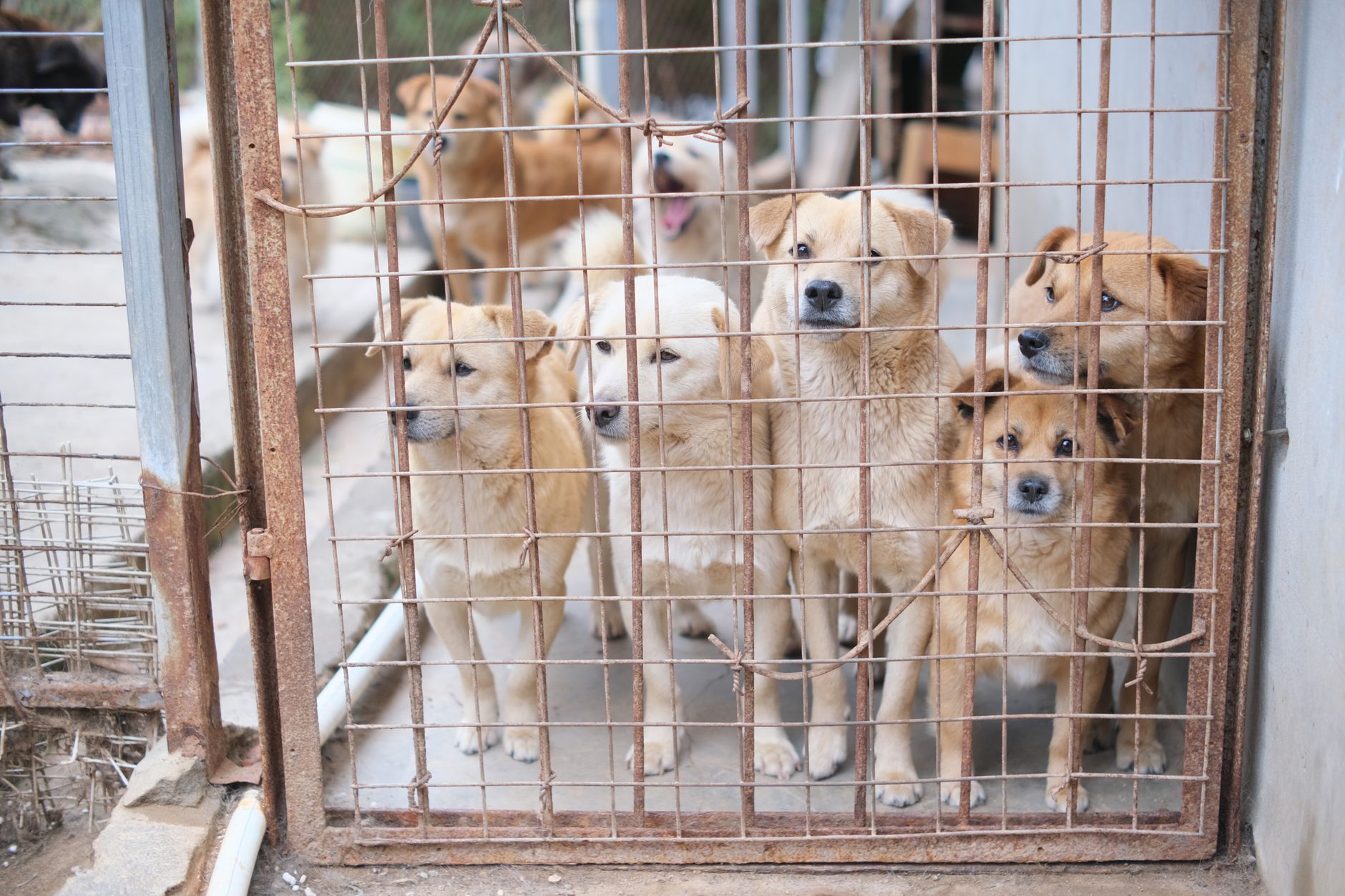
Shelters and rescue groups are among the most common places to find dogs needing homes. Many dogs in these organizations are waiting for adoption because of circumstances unrelated to their behavior, such as changes in their previous owner’s situation.
Adopting from a shelter can provide several benefits:
- You can give a dog a second chance at a stable home.
- Many dogs are already vaccinated, examined, or evaluated for behavior.
- You can often meet adult dogs whose personalities are already visible.
- Shelters usually have staff who can help match dogs with suitable families.
However, some rescue dogs may have unknown histories. A dog may need extra patience while adjusting to a new environment, learning routines, or overcoming fear caused by past experiences.
Responsible breeders
If you are looking for a specific breed, a responsible breeder may be an appropriate option. Good breeders focus on producing healthy dogs with stable temperaments rather than simply selling puppies.
A responsible breeder should generally:
- Allow you to meet the puppy’s mother and see where the dogs are raised.
- Provide health information and veterinary records.
- Answer questions about breed characteristics and care needs.
- Be interested in whether your home is suitable for one of their puppies.
- Avoid selling puppies through questionable high-volume operations.
A major warning sign is a seller who refuses to provide background information, prevents you from seeing the living conditions, or always has many different breeds available. These situations can be associated with irresponsible breeding practices.
Dog rescue groups and breed-specific organizations
Rescue organizations often focus on specific types of dogs, such as certain breeds, senior dogs, or dogs with particular needs. These groups can be useful for people who already understand what kind of dog they want.
Breed-focused rescues may provide detailed information about temperament, health concerns, and the type of home that suits each dog. This can be especially helpful because some breeds have very specific exercise, training, or grooming requirements.
Online adoption platforms and community networks
The internet has made it easier to search for dogs, but online listings require careful evaluation. A professional-looking advertisement does not always mean the seller or organization is trustworthy.
When looking online, avoid rushing into payment or accepting a dog without meeting it. Responsible adoption usually involves communication, questions, and sometimes an application process.
Before bringing a dog home from an online source:
- Meet the dog in person whenever possible.
- Confirm vaccination and health information.
- Avoid sellers who demand immediate payment without discussion.
- Be cautious of unusually low prices or unusual shipping arrangements.
Why choosing the right source matters
Where a dog comes from can influence its early experiences, health history, and social development. Puppies raised in poor conditions may have higher risks of health problems or behavioral difficulties, while well-socialized dogs often adapt more easily to family life.
The source does not determine a dog’s entire future. A rescue dog can become a wonderful companion, and a dog from a breeder still requires training and care. What matters most is responsible preparation and understanding the individual animal.
Questions to ask before bringing a dog home
Before making a decision, gather as much information as possible. A few important questions include:
- How old is the dog?
- Has the dog received vaccinations and veterinary care?
- Has the dog lived with children, cats, or other dogs?
- What is the dog’s current diet and routine?
- Are there known medical or behavioral concerns?
The more information you have, the easier it becomes to prepare your home and create a successful transition.
Consider adopting an adult dog
Many people search only for puppies, but adult dogs can also make excellent companions. Adult dogs often have established personalities, making it easier to determine whether they match your lifestyle.
They may also already understand basic routines and require less intensive early training than a young puppy. For some families, an adult dog is the better choice.
The best place to find a dog is where responsible care comes first
Finding a dog should be viewed as the beginning of a long relationship rather than a simple purchase. The right dog is not necessarily the rarest breed, the youngest puppy, or the most visually appealing animal.
The best match comes from understanding your own lifestyle, researching trustworthy sources, and choosing a dog whose needs you can meet for many years. Whether you adopt from a shelter, work with a responsible breeder, or find a rescue dog, careful choices create the foundation for a happy life together.