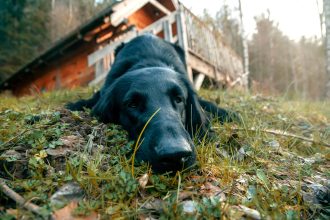
Dogs communicate constantly, but they do not use words to explain when something is wrong. Instead, they rely on body language, behavior changes, and physical signals to express discomfort, fear, or uncertainty. For many owners, learning how to know if your dog is stressed is an important part of understanding their pet’s health and emotional wellbeing.
Stress in dogs is not always obvious. Some dogs become visibly anxious, while others show subtle changes that are easy to overlook. A normally social dog may suddenly avoid interaction, a calm dog may begin pacing, or a well-trained dog may start having accidents indoors.
Recognizing these signs early allows owners to identify potential problems before stress becomes chronic. Stress is a normal biological response that helps animals react to challenges, but ongoing stress can affect behavior, quality of life, and overall health.
What Does Stress Mean for Dogs?
Stress is the body’s response to a situation that feels challenging, threatening, or unpredictable. Like humans, dogs experience stress when they encounter changes or situations they cannot comfortably handle.
Not all stress is harmful. Short-term stress can help a dog respond to something unfamiliar, such as hearing a strange sound or visiting a new environment. The concern is prolonged or intense stress that prevents a dog from relaxing and returning to a normal state.
Dogs may experience stress because of:
- Environmental changes
- Loud noises
- Separation from familiar people
- Unfamiliar animals or people
- Pain or illness
- Changes in routine
- Lack of mental stimulation
Understanding the source of stress is often more important than focusing only on the behavior it creates.
Common Signs That Your Dog May Be Stressed
Dogs display stress differently depending on their personality, experiences, and the situation. Some signs are obvious, while others are subtle signals that owners may miss.
Changes in Body Language
A dog’s body language is one of the most reliable ways to understand emotional state. Stress often appears through physical signals before more noticeable behavior problems develop.
Common body language signs include:
- Tucked tail
- Ears held back or lowered
- Turning the head away
- Avoiding eye contact
- Stiff body posture
- Lowered body position
- Attempting to hide
A single signal does not always mean a dog is stressed. Context matters. For example, a dog may yawn because it is tired, but repeated yawning during a stressful situation may indicate discomfort.
Excessive Panting or Drooling
Panting is normal after exercise or in warm conditions, but unexplained heavy panting can be a sign of stress. Dogs may also drool more than usual when they feel anxious or overwhelmed.
If panting occurs without heat, physical activity, or another obvious reason, owners should consider whether emotional stress or a medical issue could be involved.
Changes in Appetite
Stress can affect eating habits. Some dogs may lose interest in food, while others may eat excessively as a response to anxiety.
A sudden change in appetite should be monitored because it can also indicate illness. If appetite changes continue or occur with other symptoms, veterinary advice may be appropriate.
Behavioral Signs of Stress in Dogs
Behavior changes are often the signs owners notice first. A stressed dog may behave differently from its normal personality because it is trying to cope with an uncomfortable situation.
Possible stress-related behaviors include:
| Behavior Change | Possible Meaning |
|---|---|
| Excessive barking | Fear, frustration, alertness, or anxiety |
| Destructive chewing | Stress relief, boredom, or distress |
| Hiding or avoiding people | Feeling overwhelmed or fearful |
| Pacing | Restlessness or inability to settle |
| Accidents indoors | Stress response or possible medical concern |
Behavior should always be considered within context. A dog that suddenly changes behavior may be experiencing stress, but medical causes should also be considered.
Why Do Dogs Become Stressed?
Dogs can experience stress for many different reasons. What feels harmless to one dog may be overwhelming to another. Individual temperament, past experiences, genetics, and training all influence how a dog responds.
Environmental Changes
Dogs often rely on predictable routines. Moving homes, changes in family schedules, new furniture, or unfamiliar environments can create uncertainty.
Even positive changes, such as bringing home a new pet or baby, may require adjustment. Dogs need time to understand new situations and learn that they are safe.
Loud Sounds and Sensory Triggers
Many dogs are sensitive to loud or unexpected sounds. Thunderstorms, fireworks, construction noises, and alarms can trigger fear responses.
Noise-related stress may appear as:
- Shaking
- Hiding
- Trying to escape
- Restlessness
- Seeking constant reassurance
Dogs that experience repeated fear without support may become increasingly sensitive over time.
Separation From Owners
Some dogs become stressed when separated from people they are strongly attached to. Mild discomfort is common, but severe reactions may indicate separation-related anxiety.
Signs may include destructive behavior, vocalization, attempts to escape, or extreme distress when left alone.
Stress Signals That Owners Often Miss
Not every stressed dog will bark, run away, or appear visibly frightened. Many dogs communicate discomfort through smaller signals that are easy to overlook.
Subtle stress signs can include:
- Lip licking when no food is present
- Frequent yawning
- Turning away from interaction
- Sudden scratching
- Sniffing the ground repeatedly
- Freezing in place
These behaviors are sometimes called calming signals because dogs may use them to communicate discomfort and attempt to reduce tension.
How Stress Affects a Dog’s Health
Occasional stress is a normal part of life, but ongoing stress can affect a dog’s physical and emotional wellbeing. Chronic stress may influence behavior, sleep, immune function, and overall quality of life.
Long-term stress may contribute to:
- Increased fearfulness
- Difficulty learning during training
- Behavior problems
- Reduced interest in activities
- Changes in eating or sleeping patterns
Helping dogs manage stress is not only about preventing unwanted behaviors. It is also about improving their overall quality of life.
How to Help a Stressed Dog Feel Better
The best approach depends on the reason behind the stress. There is no universal solution because different dogs experience stress in different ways.
Create Predictability
Consistent routines can help dogs feel secure. Regular feeding times, walks, training sessions, and rest periods provide structure that reduces uncertainty.
Provide a Safe Space
Dogs benefit from having a quiet area where they can retreat when they feel overwhelmed. This space should be associated with comfort rather than punishment.
A safe area may include:
- A comfortable bed
- Favorite toys
- Access to water
- A quiet environment
Use Positive Training Methods
Training based on rewards helps dogs learn appropriate responses while building confidence. Punishment can increase fear and stress, especially when the behavior is driven by anxiety.
Provide Appropriate Mental and Physical Activity
Dogs need opportunities to use their bodies and minds. Enrichment activities can help reduce boredom and provide healthy outlets.
- Walks suited to the dog’s needs
- Puzzle toys
- Training games
- Safe chewing activities
- Interactive play
How to Tell Stress Apart From a Medical Problem
Behavior changes are not always caused by stress. Pain, illness, and other medical conditions can produce similar signs.
A veterinary evaluation may be important if a dog experiences:
- Sudden personality changes
- Persistent appetite changes
- Unexplained aggression
- Changes in bathroom habits
- Low energy or weakness
- Signs of pain
Assuming every behavior issue is emotional can delay treatment for a medical problem.
When Professional Behavioral Help Is Needed
Some stress-related problems require more than routine changes. Professional support can help identify triggers and create a structured behavior plan.
Consider seeking assistance when:
- Your dog reacts intensely to common situations.
- Stress causes destructive or dangerous behavior.
- Your dog cannot recover after stressful events.
- Fear or anxiety is affecting daily life.
Veterinarians and qualified behavior professionals can help determine the best approach for individual cases.
Building a More Stress-Free Life for Your Dog
Knowing how to tell if your dog is stressed starts with paying attention to changes in behavior, body language, and routine. Dogs communicate their emotional state constantly, but owners need to learn how to interpret those signals.
Stress does not mean a dog is difficult or poorly trained. It means the dog is experiencing something it finds challenging. With patience, predictable routines, appropriate enrichment, and positive support, many dogs can become more confident and comfortable.
The strongest relationships between dogs and humans are built on understanding. When owners recognize stress signals early and respond thoughtfully, they can help their dogs feel safer, healthier, and more secure.