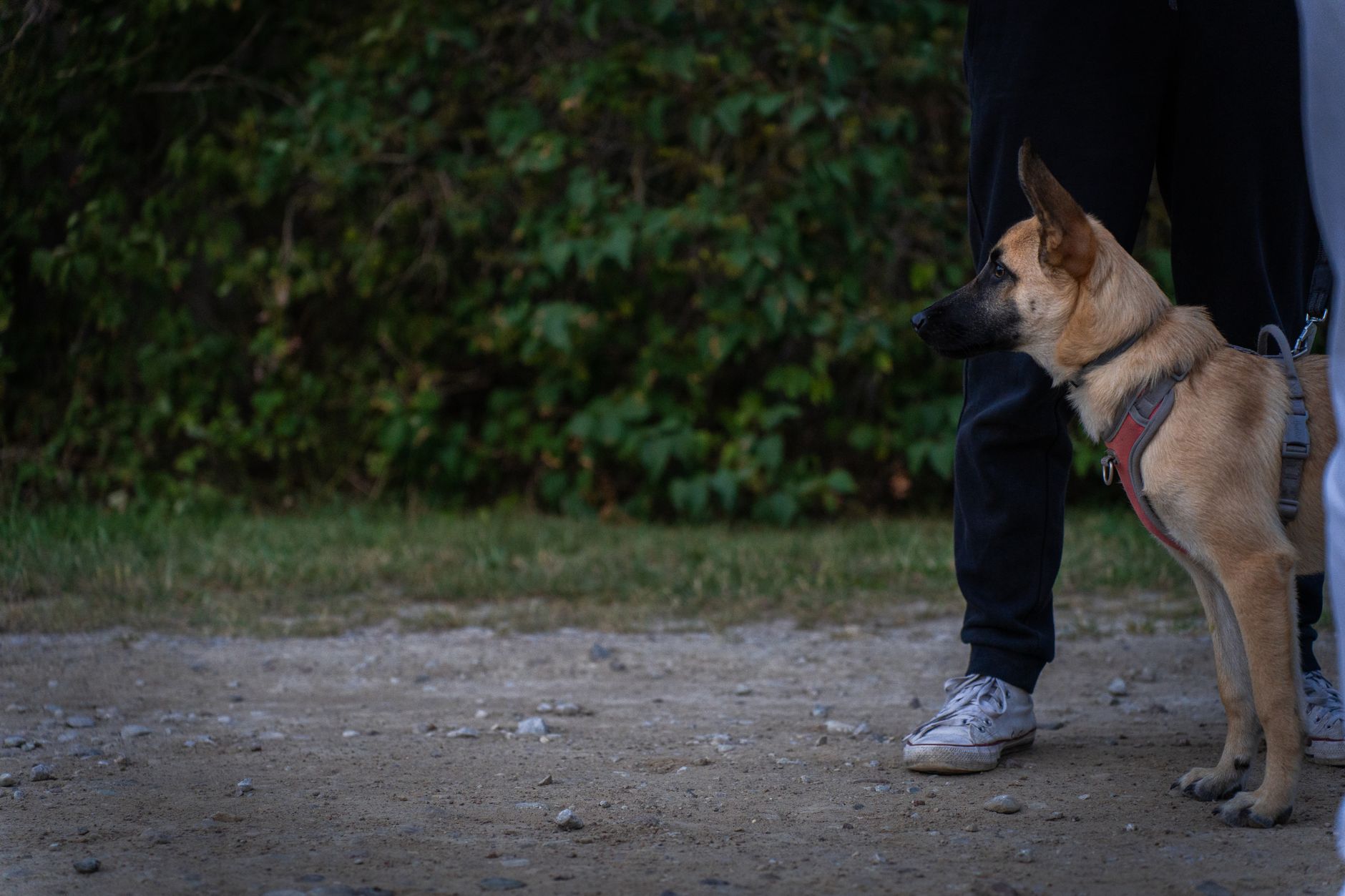
A dog barking at people is a common behavior that can become frustrating for owners, neighbors, and anyone interacting with the animal. However, barking is not simply a bad habit that needs to be eliminated. Dogs bark to communicate, express excitement, respond to unfamiliar situations, alert their owners, or manage emotions such as fear and frustration.
Learning how to train a dog to stop barking at people starts with understanding why the barking happens. A dog that barks at strangers approaching the home may have different needs from a dog that barks at pedestrians during walks or a dog that reacts because it wants attention.
The most effective training focuses on changing the dog’s emotional response, teaching alternative behaviors, and rewarding calm choices rather than relying only on corrections. With consistency and proper timing, many dogs can learn that people passing by or approaching do not require a loud response.
Why Dogs Bark at People
Before changing barking behavior, it is important to identify the reason behind it. Barking is a symptom of an underlying motivation, and training works best when it addresses that motivation directly.
Common reasons dogs bark at people include:
- Alerting: The dog is warning owners about someone nearby.
- Fear: The dog feels uncomfortable or threatened by unfamiliar people.
- Excitement: The dog wants to greet or interact with someone.
- Frustration: The dog cannot reach a person or control the situation.
- Attention seeking: The dog has learned barking gets a response.
- Protective behavior: The dog believes it needs to defend a person or area.
Understanding the cause helps determine the right training approach. A fearful dog should not be trained the same way as an excited dog that simply struggles with impulse control.
Identify When and Where the Barking Happens
Observation is one of the most important parts of behavior training. Many owners focus only on the barking itself, but the details surrounding the behavior reveal what triggers it.
Consider questions such as:
- Does your dog bark at people inside the house or only outside?
- Does barking happen during walks, at windows, or near the front door?
- Does your dog appear excited, afraid, tense, or aggressive?
- How close does a person need to be before the barking begins?
Tracking these patterns helps owners create training situations where the dog can succeed instead of repeatedly practicing the unwanted behavior.
Teach an Alternative Behavior Instead of Just Stopping Barking
Many training mistakes happen because owners focus only on telling a dog what not to do. Dogs learn more effectively when they are shown what behavior should replace the unwanted action.
Useful alternative behaviors include:
- Looking at the owner when a person appears
- Sitting calmly
- Moving to a designated place or mat
- Walking calmly past people
- Checking in with the owner before reacting
For example, instead of repeatedly saying “stop barking” when someone walks by, an owner can teach the dog that seeing a person means turning attention back toward them for a reward.
Use Reward-Based Training to Change the Response
Reward-based training works by reinforcing behaviors that owners want to see more often. When a dog remains calm around people and receives something valuable, such as praise, treats, or play, the dog begins to associate calm behavior with positive outcomes.
The timing of the reward matters. The reward should happen when the dog is calm or showing the desired behavior, not after the dog has already escalated into intense barking.
A basic training process may look like this:
- Find a distance where your dog notices people but can still remain calm.
- Reward your dog for looking at the person without barking.
- Gradually practice closer distances as your dog improves.
- Increase difficulty slowly with different environments and situations.
This approach helps the dog develop a new habit instead of simply suppressing a reaction.
Managing Distance Is Essential During Training
One of the biggest factors in success is preventing the dog from becoming overwhelmed. When a dog is already barking, lunging, or unable to focus, learning becomes much more difficult.
Distance creates a space where the dog can observe a trigger without feeling the need to react. Over time, repeated calm experiences can change the dog’s response to people.
Owners may need to temporarily adjust routines by:
- Crossing the street during walks
- Avoiding crowded areas during early training
- Using window coverings if outside activity triggers barking at home
- Creating calm areas away from busy entrances
How to Stop a Dog From Barking at People During Walks
Dogs that bark at people while walking often react because they feel excited, frustrated, or uncomfortable. The leash can increase tension because the dog cannot move freely to investigate or create distance.
Helpful strategies include teaching the dog to focus on the owner, rewarding calm observation, and avoiding forcing greetings with unfamiliar people.
Useful walking skills include:
- Responding to their name
- Making eye contact with the owner
- Walking calmly beside the handler
- Turning away from triggers when needed
A dog does not need to greet every person it sees. Calm neutrality is often a more realistic and safer goal.
How to Handle Barking at Visitors in the Home
Dogs often bark at visitors because the home is their territory and arrivals create excitement. The goal is not necessarily to make the dog ignore visitors completely, but to teach a predictable response.
Training can involve teaching the dog to:
- Go to a specific place when the doorbell rings
- Wait calmly before greeting guests
- Remain relaxed while people enter
Management tools such as baby gates, leashes, or separate rooms can help prevent repeated barking while training is still developing.
Why Punishment Often Does Not Solve Barking Problems
It can be tempting to punish barking because the noise is frustrating, but punishment does not always address the reason the dog is barking. In some cases, it can increase anxiety, especially when barking is caused by fear.
A dog that is afraid of people may interpret punishment as confirmation that people create negative experiences. This can make reactions stronger rather than weaker.
Training is generally more effective when owners teach the dog what to do instead and reward improvement.
Common Training Mistakes to Avoid
Changing barking behavior takes repetition and consistency. Some common mistakes can slow progress or make the problem harder to manage.
- Waiting until the dog is already highly reactive before training
- Expecting immediate results after one session
- Allowing the dog to practice barking repeatedly
- Using inconsistent rules between family members
- Forcing fearful dogs into close interactions
When Professional Help May Be Needed
Some barking problems are simple training challenges, while others involve fear, anxiety, or aggression that require professional guidance.
Consider working with a qualified trainer or behavior professional if your dog:
- Lunges or snaps at people
- Shows intense fear reactions
- Cannot calm down around triggers
- Has caused safety concerns
Professional support can help identify the cause and create a safer, more effective training plan.
Final Thoughts
Learning how to train your dog to stop barking at people is not about eliminating communication. Dogs naturally use barking to express themselves, and the goal is to teach appropriate responses.
The most successful approach combines understanding the reason behind the barking, rewarding calm behavior, managing triggers, and practicing consistently. With patience and the right strategy, many dogs can learn that seeing people does not require a noisy reaction.
“`