Dogs did not appear suddenly as a separate species created by humans. Their story is one of the most remarkable examples of evolution, cooperation, and adaptation between two different animals. Modern dogs developed through thousands of years of biological change, beginning with ancient wolf populations and eventually becoming the diverse companion animals, working partners, and service animals found around the world today.
The question of how dogs were created is really a question about domestication: how a wild predator gradually became an animal capable of living alongside humans. Scientists continue to study exactly when and where this process began, but genetic evidence shows that dogs share a common ancestor with ancient wolves and that their transformation was shaped by both natural selection and human influence.
Dogs Were Domesticated, Not Manufactured
Unlike selectively bred modern varieties, the first dogs were not designed by humans in the way people create specific breeds today. Early domestication happened gradually. Ancient wolves and human groups interacted over generations, and certain wolves that were less fearful, more adaptable, and better able to tolerate human presence gained advantages.
These early relationships likely benefited both species. Wolves may have gained access to food scraps and safer environments near human camps, while humans benefited from animals that could help with hunting, protection, and detecting threats. Over time, the wolves that were most comfortable around people reproduced more successfully, causing behavioral and physical differences to accumulate.
When Did Dogs First Appear?
The exact timeline of dog domestication remains an area of scientific debate. Genetic studies and archaeological discoveries suggest that dogs were domesticated at least 15,000 years ago, and some evidence suggests the relationship may have started even earlier, possibly more than 20,000 years ago.
Ancient dog remains have been discovered at archaeological sites across Eurasia, showing that dogs were already living alongside humans thousands of years before the development of agriculture. This means dogs were likely companions of hunter-gatherer societies long before humans began keeping livestock or building permanent settlements.
| Stage | Approximate Period | Development |
|---|---|---|
| Wolf-human interaction | Tens of thousands of years ago | Some wolves began living near human groups and benefiting from shared environments. |
| Early domestication | At least 15,000 years ago | Domesticated dog populations began separating from wild wolf ancestors. |
| Selective breeding | Thousands of years ago onward | Humans began selecting dogs for hunting, guarding, herding, and companionship. |
| Modern breeds | Recent centuries | Formal breed development created many recognizable dog types today. |
The Wolf Ancestor Connection
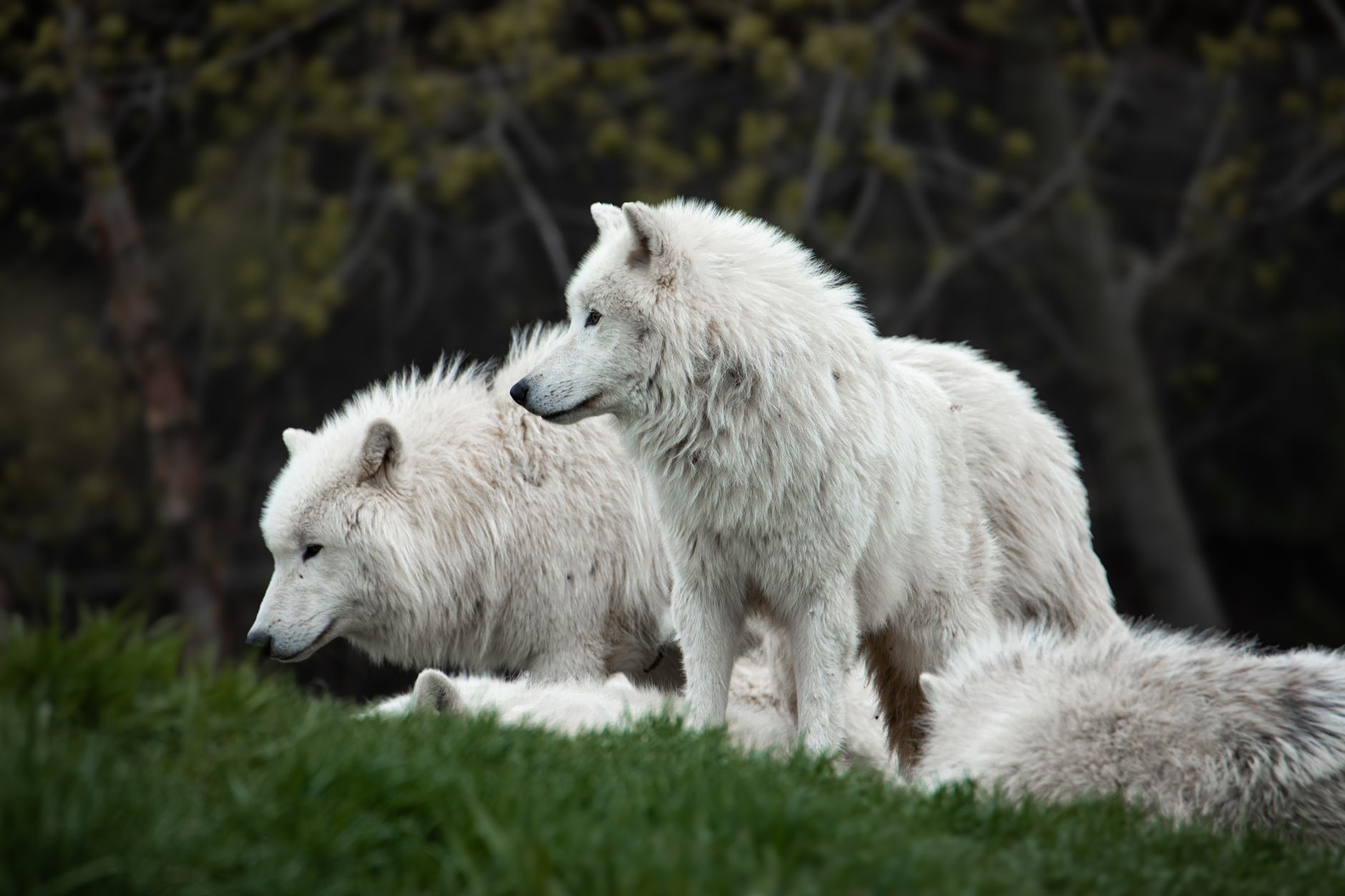
Modern dogs and gray wolves share a close evolutionary relationship. However, dogs are not simply tame wolves. Domestication changed dogs in ways that affected their behavior, appearance, and biology.
Research has shown that domesticated dogs developed traits that made communication with humans easier. Many dogs are highly skilled at reading human gestures, facial expressions, and emotions. Their ability to cooperate with people is one reason they became such successful partners across different cultures.
How Early Humans and Wolves May Have Formed a Partnership
Scientists have proposed several explanations for how domestication began. One widely discussed idea is that some wolves began approaching human camps to search for leftover food. The wolves that were less aggressive and more comfortable around humans were less likely to be chased away.
Another possibility is that humans and wolves gradually developed a cooperative hunting relationship. Wolves had strong tracking abilities, while humans had advanced tools and communication skills. Animals that could work alongside humans may have gained advantages compared with wolves that avoided people.
The exact pathway may not have been identical everywhere. Domestication likely happened through a complex mixture of natural selection, human choices, and changing environments rather than through a single event.
How Domestication Changed Wolves Into Dogs
Domestication affected more than just behavior. Over many generations, dogs developed physical differences from their wolf ancestors. These changes are sometimes associated with what scientists call domestication syndrome.
Common differences between dogs and wolves include:
- Reduced fear of humans: Dogs became more comfortable living close to people.
- Changes in appearance: Dogs developed a wide variety of coat colors, body sizes, and facial features.
- Improved social communication: Dogs became especially skilled at interacting with humans.
- Behavioral flexibility: Dogs adapted to many different roles and environments.
The Rise of Dog Breeds
The huge variety of dog breeds seen today is a relatively recent development. For most of history, humans selected dogs based on practical abilities rather than appearance. Dogs were chosen for tasks such as hunting, guarding, pulling, and herding.
Modern breed standards became more common in the last few centuries as organized breeding programs developed. This created recognizable breeds with predictable traits, but it also introduced challenges, including inherited health problems in some populations caused by limited genetic diversity.
Why Humans Continued Changing Dogs
Dogs have remained valuable because they can adapt to many human needs. Different societies shaped dogs for different purposes. Herding dogs helped manage livestock, hunting dogs assisted with finding game, and guardian breeds protected homes and animals.
Today, dogs work in roles that range from search-and-rescue and detection work to medical assistance and emotional support. Their ability to cooperate with humans remains one of their defining characteristics.
Are Dogs Still Evolving?
Evolution did not stop when dogs became domesticated. Dogs continue to change as humans influence breeding choices and as environments change. Modern breeding practices, advances in veterinary care, and changing attitudes toward animal welfare all affect the future of domestic dogs.
At the same time, researchers continue studying ancient DNA to better understand where dogs originated and how different populations spread around the world. New discoveries may refine the timeline of domestication and reveal more about the relationship between humans and dogs.
Conclusion
Dogs were not created through a single act of invention; they emerged through a long evolutionary partnership between humans and ancient wolves. Over thousands of years, natural selection and human cooperation transformed certain wolf populations into animals uniquely adapted to live alongside people.
The modern dog is the result of a remarkable journey involving survival, adaptation, and companionship. From ancient hunting partners to beloved family members, dogs represent one of the most successful examples of cooperation between humans and another species.
Frequently Asked Questions
Were dogs created from wolves?
Dogs evolved from ancient wolf populations, but modern dogs are not descended from today’s gray wolves. Both share common ancestors from the past.
When were dogs first domesticated?
Most evidence suggests dogs were domesticated at least 15,000 years ago, though some research suggests the relationship may have begun earlier.
Where did dogs originate?
The exact origin location remains debated. Evidence points to ancient Eurasian populations, but scientists continue researching how and where domestication occurred.
Why did humans domesticate dogs?
Dogs likely provided benefits such as hunting assistance, protection, and companionship, while early wolves gained access to human-associated food resources.
Are all dog breeds equally old?
No. Most modern dog breeds were developed relatively recently compared with the thousands of years of dog domestication.