



Cats wag their tails while lying down to communicate internal emotional states, process sensory input, regulate arousal, or signal irritation. Unlike dogs, tail movement in cats is rarely a sign of ha...

Dogs cannot explain when something hurts, which means owners often need to recognize small changes in behavior, movement, and daily habits. Pain in dogs is not always obvious. Some animals become quie...

A dog’s diet affects nearly every part of its health, from energy levels and digestion to weight management and long-term wellbeing. Although dogs often appear willing to eat almost anything, their nu...

Dogs are among the most familiar animals in human society, but their role goes far beyond being household pets. They are domesticated mammals with a long history of cooperation with humans, developing...

Every pawrent has had this moment: You see a post online celebrating cats, you look at your own cat—sleeping, judging, or demanding food—and you think: “Wait… is today Nationa...

A barking dog can be frustrating, especially when the behavior happens repeatedly or at inappropriate times. However, there is no reliable method that instantly eliminates all barking because dogs bar...

Barking is one of the most natural ways dogs communicate. It can signal excitement, fear, boredom, alertness, or a desire for attention. The goal of training is not to eliminate barking completely, be...

A cat can survive for about 3 to 7 days without eating, but serious health damage can begin after just 24–48 hours. Unlike humans, cats are highly sensitive to food deprivation, and even short periods...
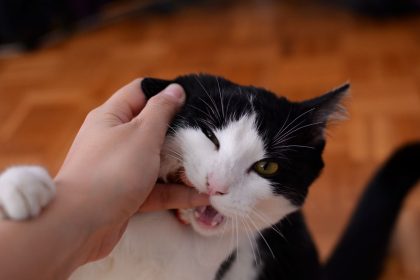
Gentle cat biting happens because cats use their mouths as a form of communication. In most cases, a gentle bite signals affection, overstimulation, play behavior, or a need for space. The behavior fe...

A kitten can appear almost adult-sized within its first year, but physical maturity does not always happen at the same time as visible growth. Cats continue developing after they reach their approxima...