When people ask how to “stop a dog,” the real goal is usually to change a specific behavior rather than stop the dog itself. Dogs naturally bark, jump, chew, dig, pull on the leash, and react to their surroundings. Effective training focuses on understanding why the behavior happens and teaching a safer, more appropriate alternative.
Modern dog training emphasizes communication, consistency, and positive reinforcement rather than punishment. A behavior that appears problematic often has an underlying cause, such as boredom, fear, excitement, stress, lack of training, or a need for attention.
Start by identifying the reason behind the behavior
Before trying to correct a dog’s actions, it is important to understand what triggers them. The same behavior can have completely different causes depending on the dog and situation.
| Behavior | Possible Cause |
|---|---|
| Excessive barking | Alerting, boredom, anxiety, fear, or seeking attention. |
| Jumping on people | Excitement, greeting habits, or learned attention-seeking. |
| Chewing objects | Teething, stress, boredom, or insufficient stimulation. |
| Pulling on walks | Lack of leash training or high excitement around the environment. |
Use training instead of punishment
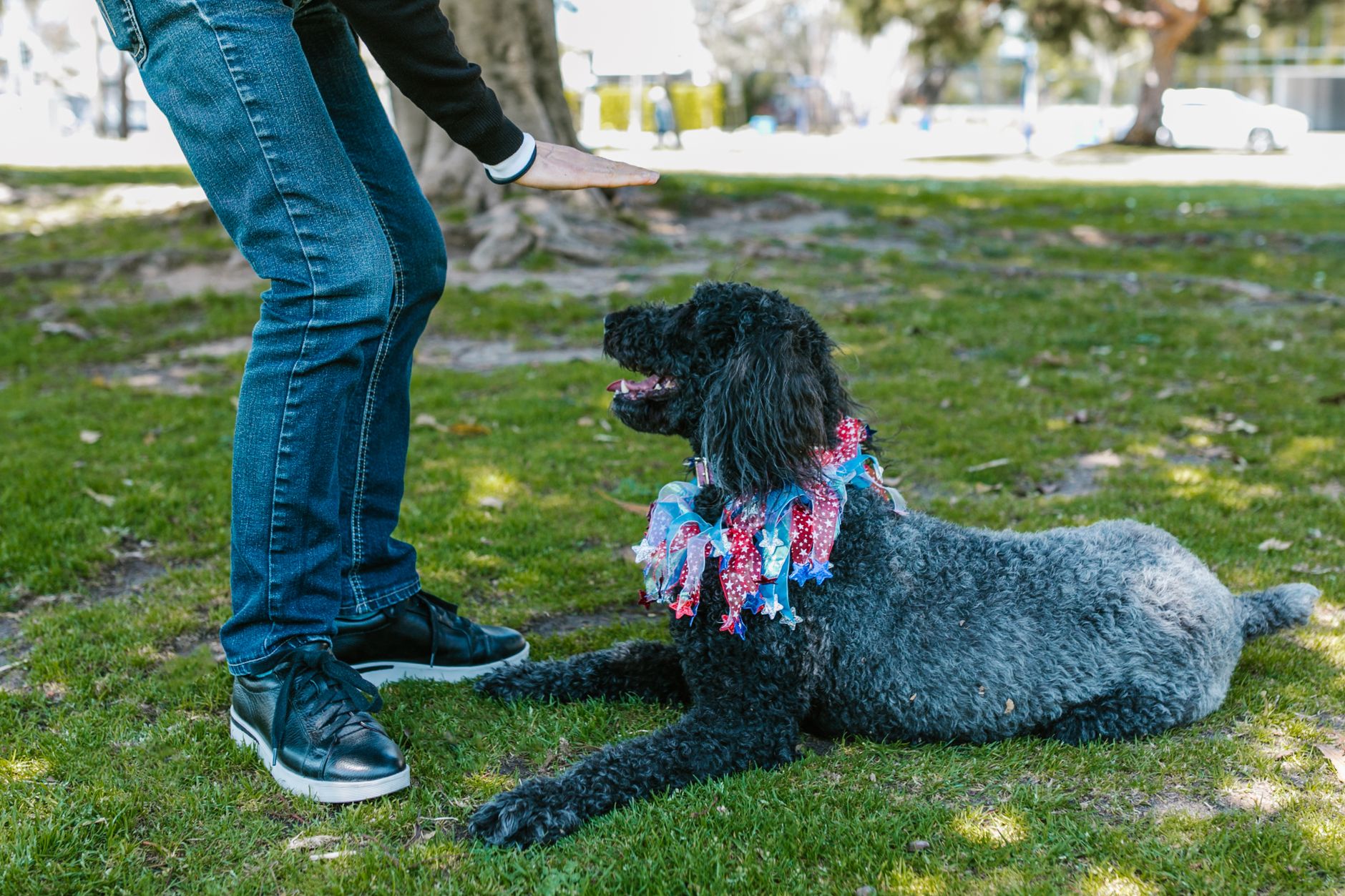
Dogs learn through associations. Reward-based training helps them understand which behaviors lead to positive outcomes. Rewards can include treats, praise, toys, or access to something the dog enjoys.
Punishment-based approaches may temporarily suppress a behavior but often fail to address the underlying reason. In some cases, harsh corrections can increase fear, stress, or defensive reactions.
Teach an alternative behavior
Simply telling a dog what not to do is often less effective than showing the dog what to do instead. Training works best when an unwanted action is replaced with a desirable response.
- Instead of jumping on guests: teach the dog to sit or wait calmly before receiving attention.
- Instead of barking continuously: teach a quiet command and reward calm behavior.
- Instead of chewing furniture: provide appropriate chew toys and redirect attention.
- Instead of pulling during walks: reward walking near the handler with a loose leash.
Consistency is the key to changing behavior
Dogs learn patterns from repeated experiences. If a behavior sometimes receives a reward and sometimes does not, the dog may continue testing that behavior.
Everyone in the household should follow the same rules. For example, if one person allows a dog to jump for attention while another discourages it, the dog receives mixed signals and learning becomes slower.
Address exercise and mental stimulation needs
Many unwanted behaviors are connected to unmet physical or mental needs. Dogs require appropriate activity levels based on their age, breed, health, and personality.
Regular walks, interactive play, training sessions, puzzle toys, and opportunities to explore safely can reduce behaviors caused by boredom or excess energy.
Know when professional support is needed
Some behaviors require guidance from a qualified trainer or veterinary behavior professional, especially when they involve aggression, severe fear, destructive anxiety, or sudden changes in behavior.
A sudden behavior change can sometimes indicate an underlying medical issue. A veterinary evaluation may be appropriate when a normally calm dog begins showing unusual reactions.
Common mistakes that slow progress
- Expecting instant results: Behavior change requires repetition and time.
- Correcting after the fact: Dogs often cannot connect delayed punishment with an earlier action.
- Ignoring triggers: Training is more effective when the situations causing the behavior are understood.
- Focusing only on stopping behavior: Teaching a replacement behavior creates longer-lasting results.
A better approach to dog behavior
Stopping unwanted dog behavior is not about controlling every natural instinct. It is about building communication between the dog and owner. When training is based on understanding, consistency, and appropriate rewards, dogs are more likely to develop reliable habits while maintaining confidence and trust.
The most successful solutions come from identifying the cause, changing the environment when necessary, and teaching the dog what behavior will succeed in everyday situations.
“`