Dogs are naturally curious eaters, and many owners wonder whether foods from their own kitchen are suitable for sharing. While some human foods can provide beneficial nutrients and enrichment, others can cause serious health problems even in small amounts. Understanding what is safe for dogs to eat requires looking beyond individual ingredients and considering preparation methods, portion sizes, and each dog’s health condition.
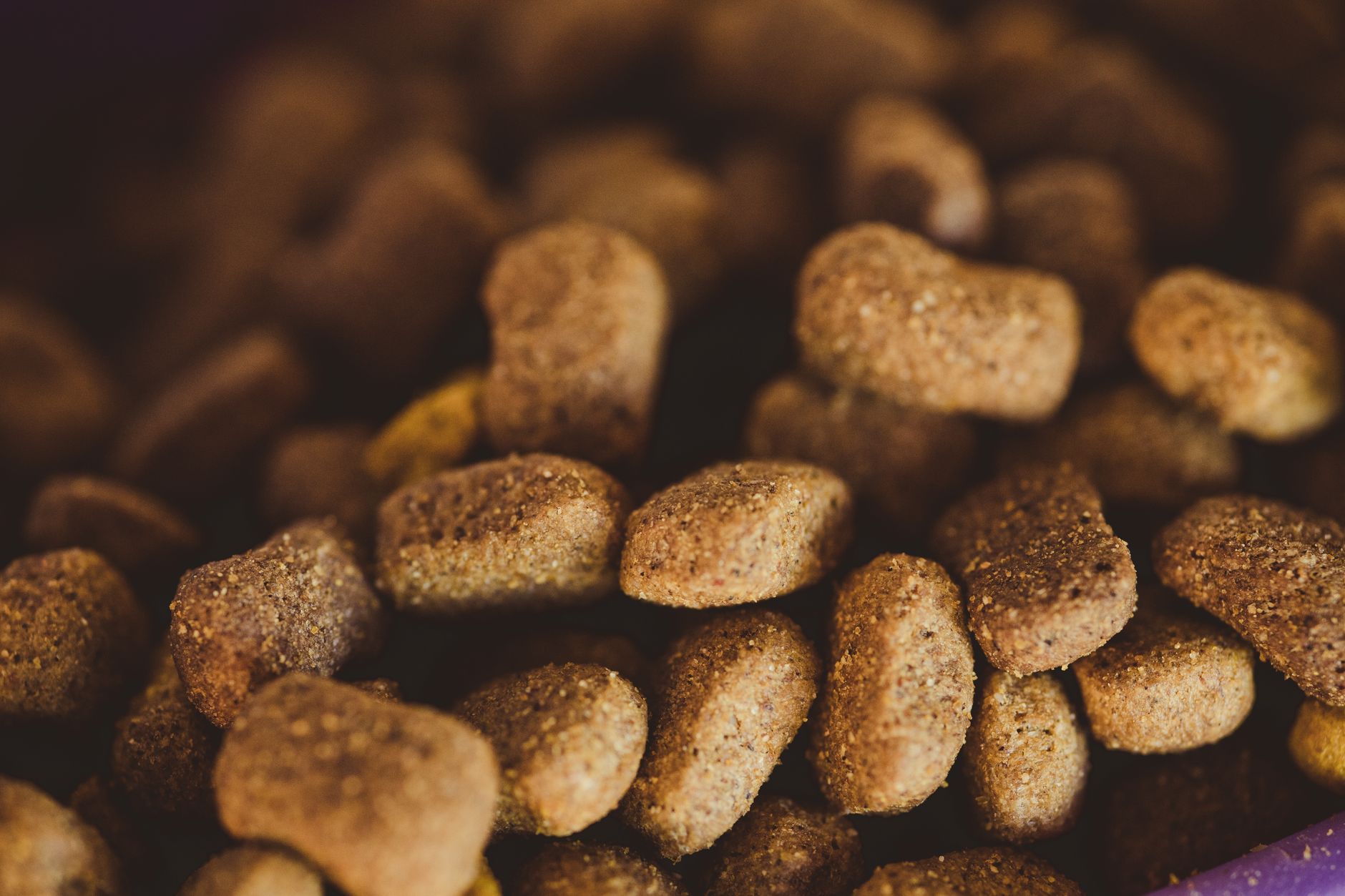
A healthy canine diet is designed around a dog’s specific nutritional needs, including appropriate levels of protein, fat, vitamins, minerals, and calories. Safe human foods should usually be treated as occasional additions rather than replacements for complete dog food.
Safe foods that many dogs can enjoy
Many simple, unprocessed foods can be suitable for dogs when offered in moderation. Fresh ingredients can add variety, provide mental stimulation, and sometimes support specific nutritional goals.
| Food | Why it can be beneficial | Important considerations |
|---|---|---|
| Carrots | Provides fiber and nutrients while being a low-calorie snack option. | Cut into suitable pieces to reduce choking risks, especially for small dogs. |
| Blueberries | Contains antioxidants and can be used as a small training reward. | Serve in small quantities because treats should remain limited. |
| Apples | Provides fiber and vitamins. | Remove seeds and the core before feeding. |
| Plain pumpkin | Contains fiber and is commonly used as part of digestive support. | Use plain pumpkin only, without sugar, spices, or pie filling ingredients. |
| Cooked lean meat | Can provide additional protein. | Avoid seasoning, bones, excessive fat, and sauces. |
| Green vegetables | Some vegetables provide fiber and useful nutrients. | Serve plain and introduce gradually to avoid stomach upset. |
Foods that should never be given to dogs
Some foods that are common in human diets contain compounds that can be harmful to dogs. Toxic effects may vary depending on the amount consumed, the dog’s size, and individual sensitivity.
- Chocolate: Contains compounds that dogs process poorly and may cause dangerous reactions.
- Grapes and raisins: Have been linked to kidney problems in dogs.
- Onions, garlic, and related plants: Can damage red blood cells and create health risks.
- Xylitol: A sweetener found in some products that can cause severe reactions in dogs.
- Alcohol: Can cause poisoning and should never be offered.
- Caffeinated products: Coffee, tea, and energy drinks can negatively affect a dog’s nervous system.
- Cooked bones: Can break into sharp pieces and injure the digestive tract.
Why portion size matters
Even safe foods can become unhealthy when offered too frequently. Extra calories from treats and table scraps can contribute to weight gain, digestive issues, and nutritional imbalance.
A small amount of a healthy food may be appropriate as a reward, but a large portion can overwhelm a dog’s digestive system or interfere with their normal diet. Small dogs, puppies, and senior dogs are particularly sensitive to dietary changes.
How to prepare human food safely for dogs
Preparation often determines whether a food is appropriate. Foods intended for humans frequently contain ingredients that dogs should avoid, such as salt, butter, oils, sauces, spices, onions, and garlic.
The safest options are usually plain foods that are cooked without added ingredients. Meat should be free of bones and excessive fat, vegetables should not contain seasoning, and fruits should have seeds or harmful parts removed.
Foods that require extra caution
Some foods are not necessarily toxic but may not suit every dog. Dairy products, for example, can cause digestive problems in dogs that do not tolerate lactose. High-fat foods may increase the risk of digestive upset, while foods high in calories may be unsuitable for dogs managing their weight.
Dogs with allergies, kidney disease, diabetes, pancreatitis, or other medical conditions may require specialized diets. In these situations, introducing new foods should be discussed with a veterinarian.
Signs that a dog may have eaten something harmful
Owners should pay attention if a dog suddenly develops unusual symptoms after eating a new food. Possible warning signs include vomiting, diarrhea, weakness, excessive thirst, tremors, difficulty breathing, loss of appetite, or unusual behavior.
If a potentially toxic food has been consumed, contacting a veterinarian or animal poison service promptly is the safest approach. Waiting for symptoms to appear can sometimes allow a problem to become more serious.
A balanced approach to feeding dogs
The safest feeding strategy combines a nutritionally complete dog diet with carefully selected treats. Human foods can be useful for variety and bonding, but they should support—not replace—the nutritional foundation dogs need.
By choosing simple ingredients, avoiding dangerous foods, controlling portions, and considering individual health needs, owners can share occasional foods with their dogs while protecting their long-term wellbeing.
“`