Dogs are often described as enthusiastic eaters, and many owners have seen their pets become excited by certain smells, treats, or foods from the kitchen. But what foods do dogs actually like, and does a dog’s favorite food always mean it is healthy for them?
A dog’s food preferences are shaped by several factors, including smell, taste, texture, past experiences, genetics, and even the relationship between food and reward. While many dogs enjoy a wide range of flavors, their favorite foods are not always the best choices for their health.
Understanding what attracts dogs to certain foods can help owners provide meals and treats that are both enjoyable and nutritionally appropriate.
Why dogs are attracted to certain foods
Dogs experience food differently from humans. Taste matters, but smell plays an especially important role in determining whether a dog finds something appealing.
A dog’s powerful sense of smell allows it to detect aromas from food sources long before humans notice them. This is why dogs may ignore plain food but become highly interested when something has a stronger scent.
Dogs are also influenced by texture. Some prefer crunchy foods, while others enjoy softer options. Individual preferences can vary significantly even among dogs living in the same household.
Common foods many dogs enjoy
Many dogs enjoy foods that provide appealing smells, flavors, and textures. However, these foods should still be offered appropriately and prepared safely.
Lean meats
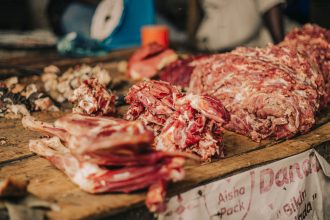
Meat is often highly attractive to dogs because they are naturally adapted to consume animal-based proteins. Cooked chicken, turkey, beef, and other lean meats are commonly used as treats or meal additions.
Meat should be plain and prepared without ingredients that may be harmful to dogs, such as excessive seasoning, onions, garlic, or high amounts of fat.
Fish
Many dogs enjoy fish because of its strong aroma and protein content. Fish such as salmon and other dog-safe varieties can be included in some diets when prepared correctly.
Fish should be cooked properly, with bones removed to reduce the risk of injury.
Eggs
Eggs are often appealing to dogs because they are nutrient-rich and have a familiar animal-based flavor.
Plain cooked eggs can be an occasional addition for many dogs, but portions should be appropriate for the dog’s size and overall diet.
Vegetables
While dogs are often associated with meat, many dogs also enjoy certain vegetables. Carrots, green beans, pumpkin, and other dog-safe vegetables are popular choices.
Vegetables can provide variety and additional nutrients, but they should complement a balanced diet rather than replace essential nutrition.
Fruits
Some dogs enjoy naturally sweet fruits. Apples without seeds, blueberries, strawberries, and watermelon without seeds are examples of fruits that can be offered in moderation.
Not all fruits are safe for dogs, so owners should always check before introducing a new food.
Why dogs love human food
Many dogs become excited when they smell human meals, but this is not simply because human food is better than dog food.
Human foods often have stronger aromas, higher fat content, and more variety in texture. These characteristics can make them especially rewarding for dogs.
However, many human foods are designed for human nutritional needs, not canine health. Foods that seem harmless may contain ingredients that are unsafe for dogs.
Foods dogs often find irresistible but should not eat
Some foods are highly attractive to dogs but can be dangerous.
- Chocolate: Contains compounds that can be toxic to dogs.
- Grapes and raisins: Can cause serious health problems in some dogs.
- Onions and garlic: May damage red blood cells.
- Alcohol: Can be dangerous even in small amounts.
- Foods containing xylitol: This sweetener can be highly toxic to dogs.
A dog’s excitement about a food does not mean the food is safe.
Do dogs prefer certain flavors?
Dogs generally have fewer taste receptors than humans, but they are highly sensitive to certain flavors and aromas.
Many dogs are naturally drawn toward:
- Meaty flavors
- Strong aromas
- Foods with higher fat content
- Foods associated with positive experiences
A dog that receives a certain treat during training, for example, may develop a stronger preference for that food because it becomes associated with praise and reward.
Why some dogs are picky eaters
Although many dogs appear willing to eat anything, some are surprisingly selective.
Picky eating can be influenced by:
- Individual personality
- Previous feeding experiences
- Food texture preferences
- Stress or environmental changes
- Dental problems or health issues
A sudden change from normal eating habits may require attention because it can sometimes indicate an underlying health concern.
How to choose foods dogs enjoy and need
The best diet is not simply the food a dog loves most. It should provide balanced nutrition while matching the dog’s age, size, activity level, and health condition.
Owners can create positive eating experiences by:
- Providing a nutritionally complete main diet.
- Using healthy treats in appropriate portions.
- Introducing new foods gradually.
- Avoiding excessive table scraps.
- Monitoring weight and overall health.
Do dogs love food or just the reward?
Food is not only about hunger for dogs. Eating is also connected to learning and emotion. Treats are often powerful because they combine taste with positive attention from humans.
This is why food rewards are commonly used in dog training. A dog may become excited not only because of the food itself but because it understands that the food represents praise, interaction, and success.
The final answer: dogs like flavorful foods, but healthy choices matter most
Dogs often enjoy foods with strong smells, appealing textures, and rewarding flavors. Meat, certain fruits, vegetables, and safe human foods can be enjoyable additions when offered correctly.
However, a dog’s favorite food is not always the healthiest option. Responsible feeding means balancing enjoyment with nutrition and safety.
Understanding what dogs like helps owners create happier mealtimes while protecting their pets from foods that may cause harm.
“`