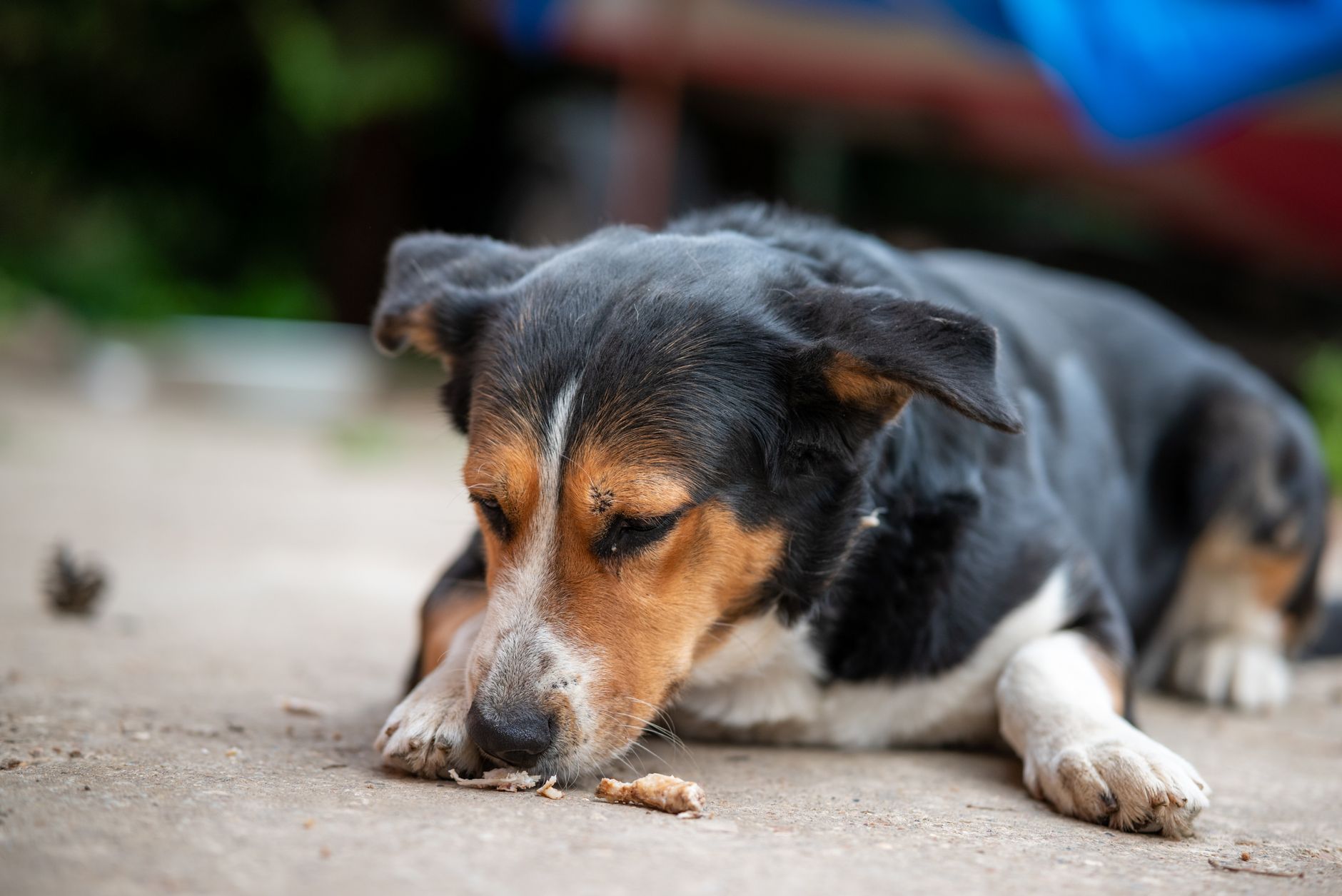
A sudden loss of appetite in a dog can be confusing and worrying for owners. Some dogs occasionally skip a meal because of minor stress, changes in routine, or simply because they are not hungry, while others may stop eating because of an underlying health problem. Understanding the difference is important before trying to encourage your dog to eat again.
The best response is not always to immediately offer different foods. A careful approach begins with identifying why the dog is refusing food, checking for warning signs, and choosing safe methods that support appetite without creating unhealthy eating habits.
First, determine why your dog has stopped eating
Appetite changes can happen for many reasons. Some causes are temporary, but others require veterinary attention.
- Stress or anxiety: Moving homes, travel, new pets, unfamiliar environments, or loud noises can reduce appetite.
- Food-related issues: A sudden diet change, spoiled food, or dislike of a new formula may cause refusal.
- Dental problems: Tooth pain or mouth discomfort can make eating difficult.
- Digestive problems: Nausea, stomach upset, or gastrointestinal illness may reduce interest in food.
- Medical conditions: Infections, pain, organ problems, or other illnesses can affect appetite.
Safe ways to encourage a dog to eat
If your dog is otherwise acting normally, several gentle strategies may help stimulate interest in food.
Make meals more appealing
Some dogs respond better when their regular food becomes more attractive. Warming wet food slightly can increase aroma, which may encourage eating. Adding a small amount of a veterinarian-approved food topper can also help some dogs.
However, constantly replacing meals with more exciting options can teach some dogs to refuse regular food in expectation of something better.
Try smaller, more frequent meals
A dog that feels uncomfortable or has a reduced appetite may be more willing to eat smaller portions several times throughout the day instead of a full meal.
Reduce stress around feeding time
A quiet feeding area, consistent meal schedule, and reduced distractions can make eating easier for dogs that are anxious or easily disturbed.
Check the food itself
Examine whether the food has changed in smell, texture, packaging, or freshness. Dogs can be sensitive to changes that owners may not immediately notice.
Foods that may help temporarily
Some human foods can be offered in small amounts as temporary appetite support, but they should not replace a balanced canine diet.
| Food option | Consideration |
|---|---|
| Plain cooked chicken | Often appealing to dogs, but should be unseasoned and used appropriately. |
| Plain cooked rice | Sometimes used as a gentle food option, especially during mild stomach issues, when appropriate. |
| Plain pumpkin | May support digestive health for some dogs, but portions should remain controlled. |
| Veterinary recovery diets | Designed for dogs needing specific nutritional support. |
What you should avoid giving a dog that refuses food
When a dog is not eating, owners sometimes try rich foods to make meals more tempting. This can create additional problems.
- Avoid foods containing onions, garlic, chocolate, grapes, raisins, alcohol, or artificial sweeteners such as xylitol.
- Avoid fatty table scraps that may contribute to digestive problems.
- Avoid forcing food into your dog’s mouth unless specifically instructed by a veterinarian.
- Avoid giving human medications or appetite stimulants without professional guidance.
When a dog refusing food becomes an emergency
A missed meal is not always dangerous, but prolonged refusal or additional symptoms can indicate a serious issue.
- Not eating for an extended period, especially in puppies, senior dogs, or dogs with health conditions
- Vomiting, diarrhea, weakness, or unusual tiredness
- Signs of pain, bloating, or difficulty swallowing
- Sudden appetite loss without an obvious explanation
- Weight loss or dehydration
Puppies and small dogs require extra attention because they have fewer energy reserves and may become affected more quickly by reduced food intake.
How veterinarians approach appetite loss
A veterinarian typically looks beyond the symptom itself and investigates the reason behind the appetite change. This may involve examining the mouth, checking for pain, reviewing diet history, and assessing other signs of illness.
Treatment depends entirely on the cause. A dog refusing food because of stress requires a different approach from a dog refusing food because of dental disease, infection, or digestive problems.
Helping your dog maintain healthy eating habits
Preventing appetite problems starts with consistency. Regular feeding schedules, appropriate nutrition, routine veterinary care, and monitoring changes in behavior make it easier to notice problems early.
A dog that will not eat is showing a signal, not just a behavior problem. The most effective solution combines patience, careful observation, and the right response based on the individual dog’s condition.
“`