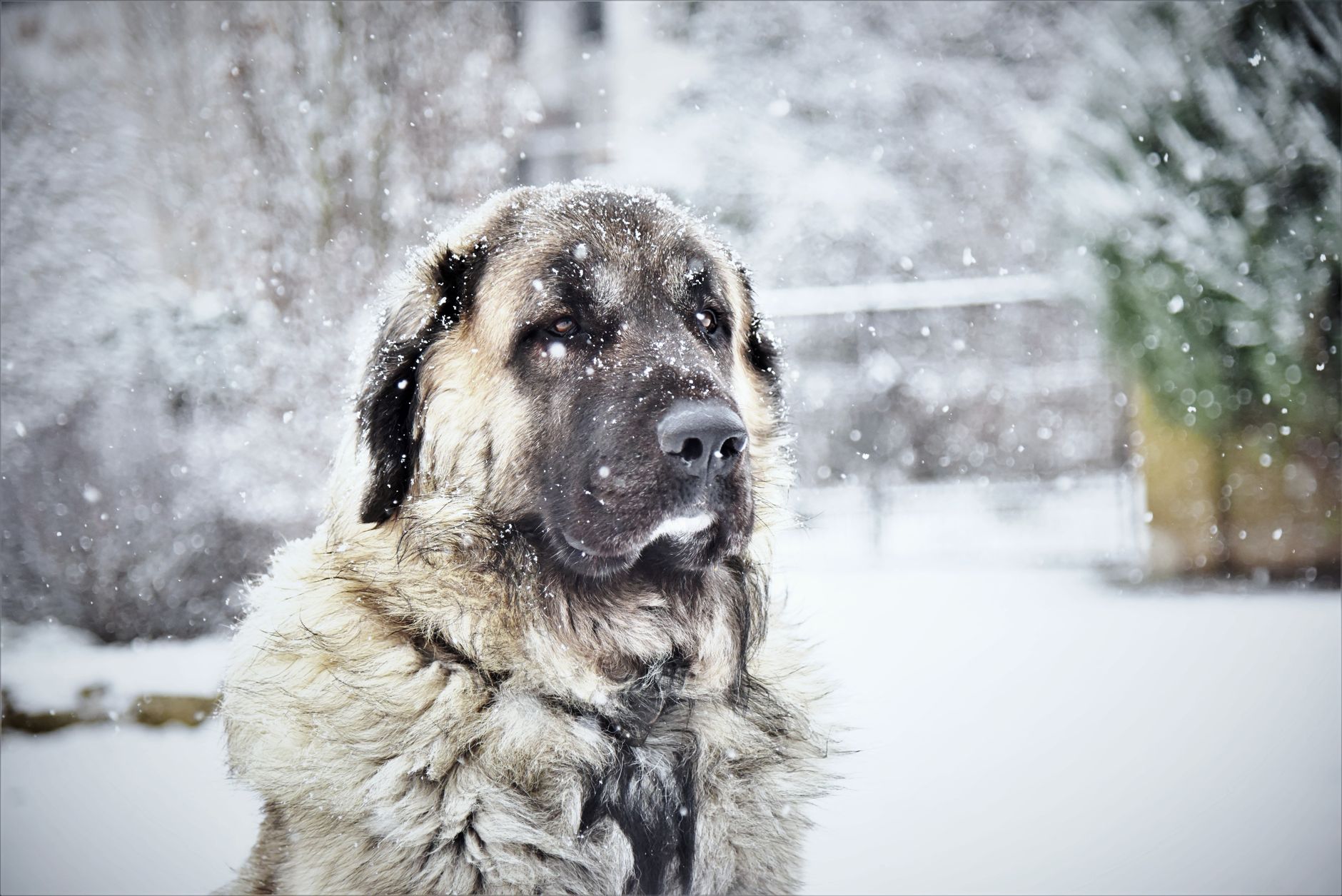
Dogs may have fur coats, but they are not immune to cold temperatures. A common misconception is that every dog can comfortably handle winter weather because of its natural coat. In reality, a dog’s ability to stay warm depends on many factors, including breed, size, age, health, body condition, coat type, and the environment it is exposed to.
Understanding how dogs experience cold helps owners make better decisions during colder months. Some dogs are naturally adapted for freezing conditions, while others can become uncomfortable or develop health risks in temperatures that may seem only mildly chilly to humans. Recognizing the warning signs of cold stress is an important part of responsible pet care.
Do Dogs Actually Feel Cold?
Yes, dogs can feel cold. Like humans, dogs regulate their body temperature and have limits on how much cold exposure they can tolerate. Their fur provides insulation, but it does not create unlimited protection against low temperatures, wind, moisture, or prolonged exposure.
A dog’s coat works by trapping air close to the skin, helping retain body heat. However, when fur becomes wet or when temperatures drop significantly, that insulating ability can decrease. This is why even dogs with thick coats may struggle in certain conditions, especially during long periods outdoors.
Why Some Dogs Handle Cold Better Than Others
Not all dogs experience cold weather in the same way. Evolution and selective breeding have shaped different breeds for different environments and tasks. Dogs developed for cold climates often have physical traits that help them conserve heat, while others are more vulnerable.
Factors that influence cold tolerance include:
- Coat type: Double-coated breeds with dense undercoats often have better insulation than short-haired breeds.
- Body size: Larger dogs generally retain heat more efficiently than very small dogs.
- Age: Puppies and older dogs may have more difficulty regulating body temperature.
- Health: Illness, poor circulation, or low body weight can reduce cold tolerance.
- Activity level: A moving dog produces more heat than a dog sitting still outdoors.
Dogs That Are Usually Better Adapted to Cold
Breeds developed in colder regions often have characteristics that help them manage winter conditions. Examples include northern and mountain breeds with thick double coats, such as Siberian Huskies, Alaskan Malamutes, Saint Bernards, and Newfoundlands.
Even these breeds have limits. A thick coat does not make a dog invulnerable to freezing temperatures, ice, or wind exposure. Individual health and circumstances still matter, and owners should not assume a cold-weather breed can safely remain outside indefinitely.
Dogs That May Get Cold More Quickly
Small dogs, short-haired dogs, and breeds with thin coats often lose body heat faster. Their smaller bodies have less ability to store warmth, and they may require additional protection during colder weather.
Dogs that may need extra attention in cold conditions include:
- Chihuahuas and other toy breeds
- Greyhounds and other thin-coated breeds
- Dogs with very short coats
- Senior dogs with reduced mobility
- Puppies still developing temperature regulation
- Dogs recovering from illness or surgery
Signs Your Dog Is Too Cold
Dogs communicate discomfort through body language and behavior. Learning these signals allows owners to respond before cold exposure becomes dangerous.
| Sign | What It May Indicate |
|---|---|
| Shivering | The body is attempting to generate more heat through muscle activity. |
| Lifting paws | The dog may be uncomfortable from cold ground, ice, or snow. |
| Whining or reluctance to move | The dog may want to leave the cold environment. |
| Slow movement or weakness | Can indicate more serious cold stress and requires attention. |
| Seeking shelter | The dog is attempting to escape uncomfortable conditions. |
Can Dogs Get Hypothermia?
Yes. Hypothermia occurs when a dog’s body temperature drops below a safe level. It can happen when a dog is exposed to cold temperatures for too long, especially when combined with wet fur, wind, or limited shelter.
Early signs may include intense shivering, fatigue, and difficulty moving. More severe cases can involve confusion, slowed breathing, weakness, and collapse. Hypothermia requires prompt veterinary attention because prolonged cold exposure can become life-threatening.
How to Keep Dogs Comfortable During Cold Weather
Cold-weather care is not about preventing every moment of discomfort; it is about understanding an individual dog’s needs. Some dogs enjoy winter walks and outdoor activities, while others require shorter outings and additional protection.
Helpful strategies include:
- Provide a warm, dry place for your dog to rest.
- Dry your dog thoroughly if it gets wet in cold weather.
- Use protective clothing when appropriate for dogs that struggle with low temperatures.
- Check paws after walks for ice, irritation, or salt exposure.
- Adjust outdoor time based on weather conditions and your dog’s tolerance.
Do Dogs Need Coats or Boots?
Some dogs benefit from winter gear, while others do not. A coat can help provide additional insulation for dogs with thin coats, small bodies, or health issues. Boots may protect paws from ice, snow, and chemicals used to melt ice on sidewalks.
However, clothing is not a replacement for reasonable limits. A coat cannot make an unsafe environment safe, and dogs should still be monitored for signs of discomfort. The best approach is to consider the dog’s individual needs rather than applying one rule to every breed.
How Cold Is Too Cold for a Dog?
There is no single temperature that applies to every dog. A healthy, large dog with a thick coat may tolerate conditions that would be unsafe for a small, short-haired dog. Wind, moisture, activity level, and exposure time can all change how a dog experiences the same temperature.
Owners should focus less on a specific number and more on their dog’s behavior. If a dog appears uncomfortable, wants to go inside, or shows signs of cold stress, it is time to provide warmth and shelter.
The Bottom Line on Dogs and Cold Weather
Dogs can absolutely feel cold, even though many have natural defenses against lower temperatures. Their ability to handle winter weather depends on their individual characteristics and the conditions around them.
The safest approach is to treat every dog as an individual. Pay attention to body language, understand your dog’s limits, and provide protection when needed. A little awareness can help ensure that cold weather remains an enjoyable experience rather than a health risk.