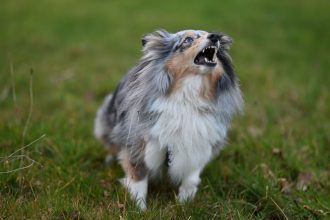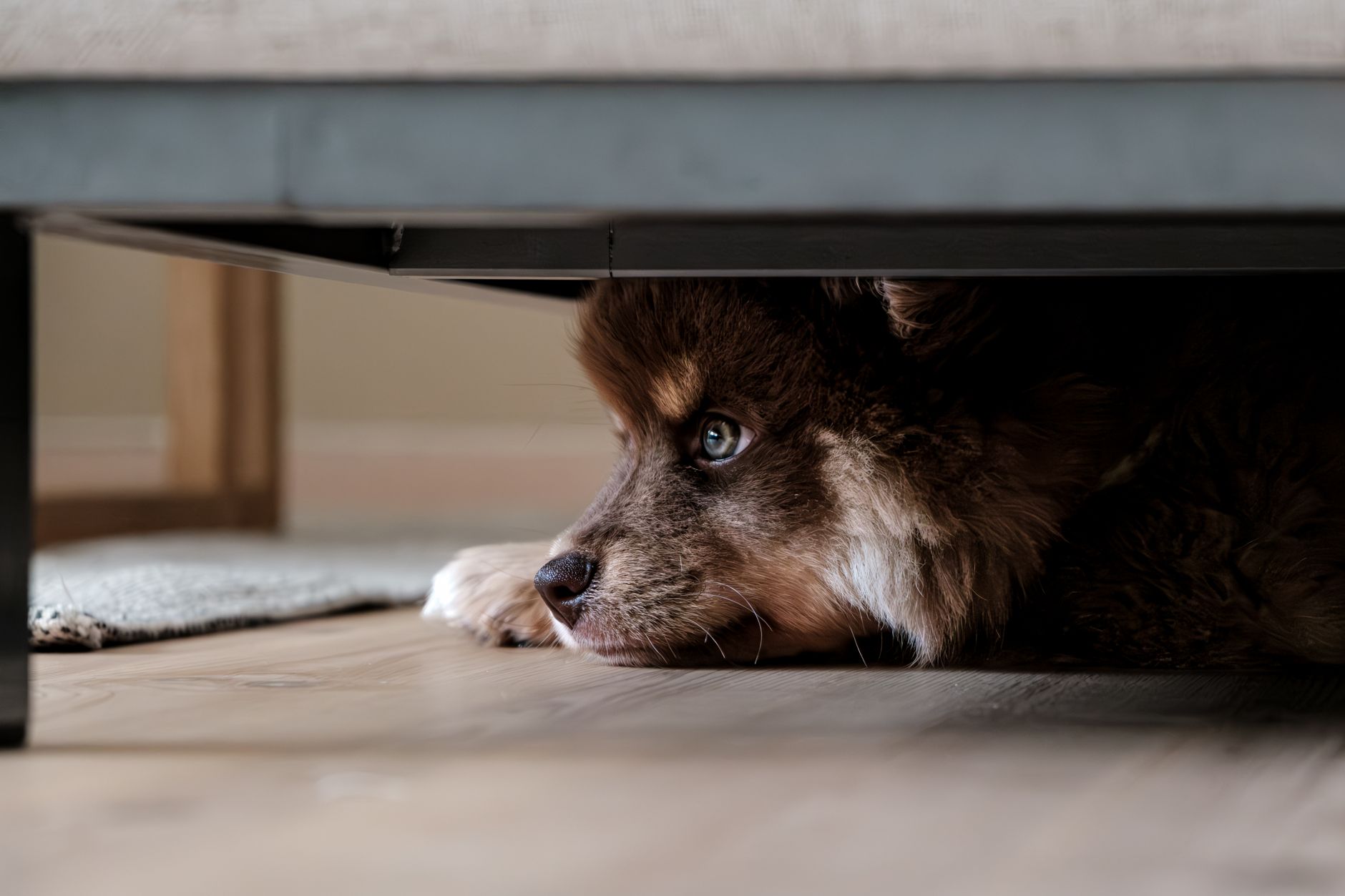
When a dog becomes restless, fearful, or overly excited, many owners immediately look for something they can give their pet to make the situation better. A stressful car ride, fireworks, thunderstorms, separation, visitors, or unfamiliar environments can all trigger anxiety-like behaviors. However, calming a dog is rarely about finding a single product or quick fix. The safest approach combines understanding the reason behind the behavior with appropriate environmental changes, training, and, when needed, veterinary guidance.
Dogs experience emotions such as fear, stress, and anxiety differently from humans. A solution that works for one dog may not help another, and some substances that appear harmless can be unsafe. Before giving any supplement, medication, or human product, owners should consider the dog’s age, health history, current medications, and the underlying cause of the behavior.
Start by Understanding Why Your Dog Needs Calming Support
A dog that cannot settle down may be responding to a specific trigger rather than simply being “hyper.” Identifying the cause is the first step toward choosing an effective solution. A young dog may need more exercise and training, while an older dog that suddenly becomes anxious may require a medical evaluation.
Common reasons dogs may appear anxious or unable to relax include:
- Separation stress: Anxiety that occurs when a dog is left alone or separated from familiar people.
- Noise sensitivity: Fear caused by fireworks, thunderstorms, construction sounds, or other loud noises.
- Environmental changes: Moving homes, new pets, visitors, or changes in routine.
- Pain or illness: Medical problems can sometimes appear as restlessness or behavioral changes.
- Lack of mental stimulation: Boredom can contribute to pacing, whining, or destructive behavior.
Safe Options That May Help Some Dogs Relax
There are several categories of calming support available for dogs. These options vary in effectiveness, and none should be considered a guaranteed solution. The best choice depends on the individual dog and the situation causing stress.
Behavior Training and Environmental Support
Training and routine changes are often the foundation of long-term anxiety management. Teaching a dog that certain situations are safe can gradually reduce fear responses. For example, dogs with separation-related distress may benefit from gradual alone-time training rather than simply being given a calming product before being left alone.
Helpful environmental strategies may include:
- Creating a quiet, comfortable resting area.
- Maintaining predictable daily routines.
- Providing puzzle toys or enrichment activities.
- Using calming background sounds for noise-sensitive dogs.
- Allowing the dog to retreat from overwhelming situations.
Dog-Specific Calming Supplements
Some supplements are designed specifically for dogs and may contain ingredients commonly used for relaxation support. Products may include compounds such as certain amino acids, calming nutrients, or herbal ingredients. However, supplements are not regulated in the same way as prescription medications, and quality can vary between products.
Before using a supplement, owners should check with a veterinarian, especially if their dog has health conditions or takes other medications. A product being labeled “natural” does not automatically mean it is safe for every dog.
Pheromone-Based Products
Some calming products use synthetic versions of dog appeasing pheromones, which are designed to mimic chemical signals associated with comfort and security. These products are available as sprays, collars, or diffusers and are commonly used for situations such as travel, household changes, or mild stress.
The response varies between dogs. Some animals may show improvement, while others may not respond noticeably. These products are generally considered supportive tools rather than replacements for behavior modification.
Can You Give Your Dog Human Anxiety Medication?
Human medications should never be given to a dog unless specifically prescribed or approved by a veterinarian. Dogs process many substances differently than people, and incorrect dosages can cause serious health problems.
Some medications that are commonly used in humans can be dangerous for dogs without veterinary supervision. Even medications that veterinarians sometimes prescribe for animals require careful dosing based on factors such as body weight, metabolism, medical history, and the reason for anxiety.
When Prescription Medication May Be Appropriate
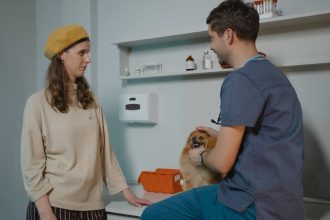
For dogs with severe anxiety, professional treatment may involve prescription medication combined with behavior therapy. Veterinary behavior specialists and general veterinarians can help determine whether medication is appropriate and create a plan tailored to the dog’s needs.
Medication may be considered when a dog:
- Panics when left alone.
- Shows extreme fear during predictable events.
- Cannot learn new behaviors because anxiety is overwhelming.
- Displays unsafe behaviors related to stress.
The goal of medication is usually not to sedate a dog but to reduce overwhelming fear or anxiety so the dog can respond better to training and environmental support.
Foods and Household Items That Should Be Avoided
When looking for something to calm a dog, some owners consider common household products. This can be risky because many substances that are safe for humans may be harmful to pets.
| Substance | Why It Can Be Risky |
|---|---|
| Human sleep aids | May contain ingredients unsafe for dogs or cause dangerous effects. |
| Alcohol | Can be toxic and affect the nervous system. |
| Cannabis products | Can cause harmful reactions depending on the product and dose. |
| Essential oils | Some oils can irritate or be toxic when inhaled, ingested, or applied incorrectly. |
| Unapproved supplements | May contain unsafe ingredients or inaccurate labeling. |
How to Calm a Dog During a Stressful Event
Short-term stressful situations require practical management. If your dog reacts to thunderstorms, fireworks, guests, or travel, preparation often makes a bigger difference than trying to calm the dog after panic begins.
- Create a safe, familiar space where your dog can retreat.
- Use calm behavior yourself, since dogs often respond to human reactions.
- Avoid forcing interaction during fearful moments.
- Offer enrichment activities if your dog is able to engage.
- Practice gradual exposure training for predictable triggers.
Signs That Your Dog’s Anxiety Needs Professional Help
Occasional nervousness is normal, but persistent anxiety can affect a dog’s quality of life. Professional help is recommended when stress becomes frequent, intense, or disruptive.
Contact a veterinarian or qualified behavior professional if your dog experiences:
- Self-injury or attempts to escape.
- Severe destruction when left alone.
- A sudden personality or behavior change.
- Loss of appetite associated with stress.
- Aggressive behavior caused by fear.
The Best Calming Approach Is Usually a Combination
There is no universal calming solution that works for every dog. A supplement may help one pet, while another may need structured training, environmental changes, or veterinary treatment. The most effective approach focuses on why the dog is anxious rather than only trying to suppress the visible behavior.
By identifying triggers, avoiding unsafe remedies, and using evidence-based strategies, owners can help their dogs feel more secure while protecting their long-term health and well-being.
“`