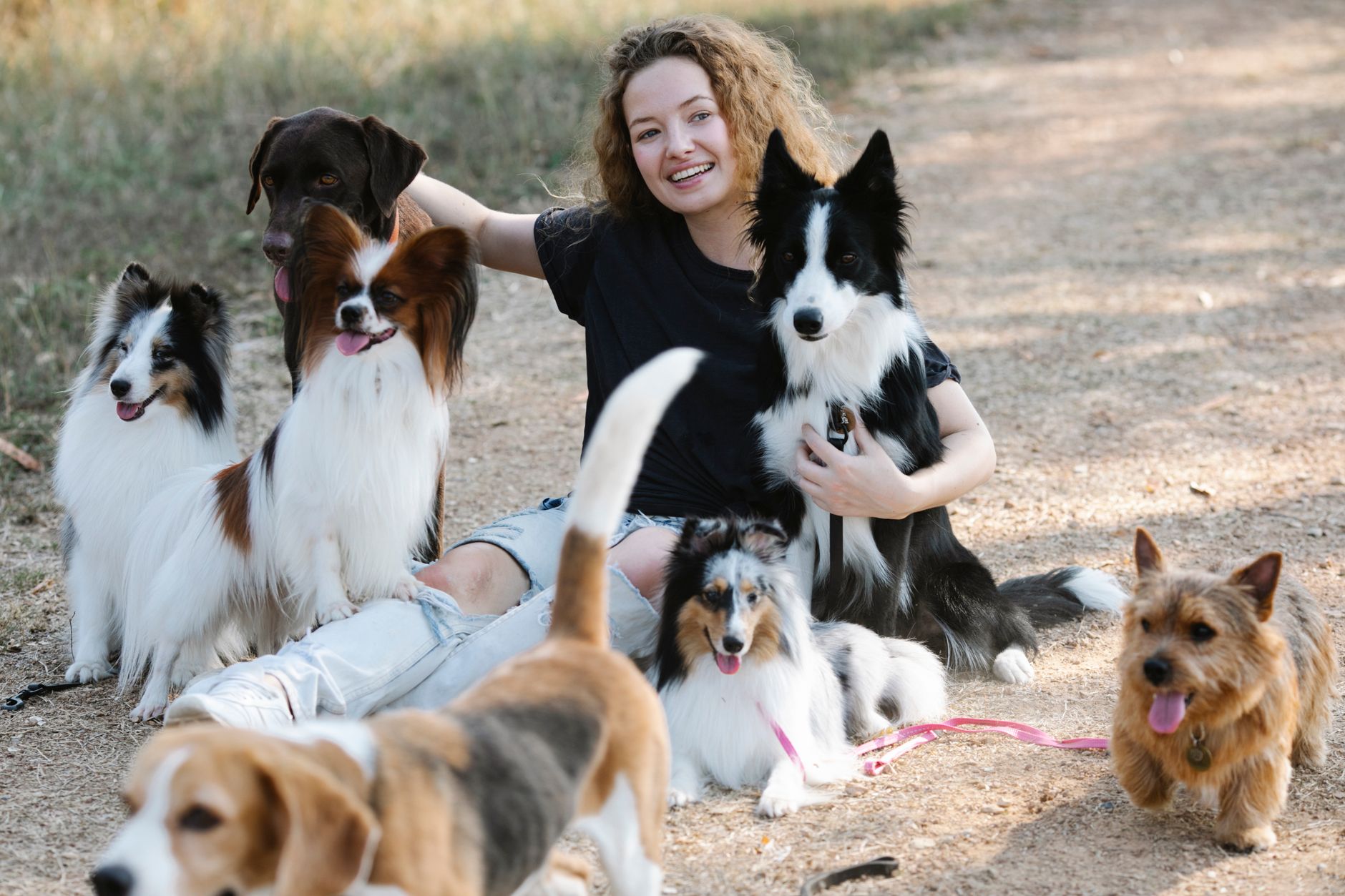
The ideal dog is not defined by a single breed, appearance, or popularity ranking. The best match comes from finding a companion whose temperament, activity requirements, and care needs align with the way you live.
Many people begin the search for a dog by asking which breed is considered the “best.” A more useful question is which dog can realistically thrive in your home while also providing the companionship you are looking for. A good match reduces stress for both the owner and the animal and creates a stronger long-term relationship.
What makes a dog the right fit?
Dogs have different physical abilities, instincts, and behavioral tendencies. These differences developed through generations of selective breeding for purposes such as hunting, guarding, herding, companionship, or working alongside humans.
Understanding these natural tendencies can help predict whether a dog will fit your routine. A highly energetic breed may be a great choice for someone who enjoys outdoor activities but may become frustrated in a household with limited time for exercise and training.
Evaluate your lifestyle before choosing a dog
Daily activity and exercise needs
One of the most important factors is matching your energy level with the dog’s needs. Dogs that do not receive enough physical and mental stimulation can develop behaviors such as excessive barking, chewing, digging, or restlessness.
- Active households: Often suit athletic breeds that enjoy running, hiking, advanced training, or outdoor activities.
- Balanced lifestyles: May work well with adaptable breeds that enjoy regular walks and family interaction.
- Lower-activity homes: May benefit from dogs with calmer personalities and moderate exercise requirements.
Time available for companionship
Some dogs are naturally more independent, while others form very close bonds with their owners and may struggle when left alone for long periods. Consider your work schedule, travel habits, and how much daily interaction you can provide.
Training is also part of ownership. Even highly trainable dogs require consistency, patience, and positive reinforcement to develop good habits.
Home environment
The size of your home matters, but it is not the only consideration. A dog’s temperament and energy level often have more influence on whether it adapts successfully.
| Situation | Important Considerations |
|---|---|
| Apartment | Noise tolerance, exercise needs, and adaptability. |
| Family with children | Patience, social behavior, and training requirements. |
| First-time owner | Trainability, temperament, and manageable care needs. |
| Experienced owner | Ability to handle breeds with higher training or activity demands. |
Different dog personalities and possible matches
The active adventure companion
Some dogs are built for movement and mental challenges. They often enjoy structured activities and learning new tasks.
- Border Collie
- Australian Shepherd
- Siberian Husky
- German Shepherd
These breeds can be rewarding for active owners but may not be ideal for people who cannot provide regular exercise and stimulation.
The family companion
Many families prefer dogs known for their social nature and ability to adapt to different environments. However, individual personality and early socialization remain important.
- Labrador Retriever
- Golden Retriever
- Poodle
- Beagle
The independent companion
Some dogs are more comfortable entertaining themselves and may require less constant attention, although they still need training, exercise, and social interaction.
- Greyhound
- Shiba Inu
- Chow Chow
The small-space companion
Smaller breeds can adapt well to compact living spaces, but size does not determine personality. Many small dogs still require training, exercise, and mental enrichment.
- French Bulldog
- Shih Tzu
- Cavalier King Charles Spaniel
- Miniature Poodle
Questions that reveal your ideal dog match
- How much time can you dedicate to exercise and training every day?
- Will your dog spend many hours alone at home?
- Do you want an energetic partner or a relaxed companion?
- How much grooming and healthcare responsibility are you prepared for?
- Are you ready for a commitment that can last many years?
Mistakes to avoid when choosing a dog
- Choosing based only on appearance: A visually appealing breed may have needs that do not match your lifestyle.
- Ignoring temperament: Personality is essential for compatibility.
- Underestimating responsibility: Dogs require ongoing financial, emotional, and time commitments.
- Assuming breed guarantees behavior: Training, environment, and individual personality influence every dog.
Breed is only the beginning
While breed characteristics can provide useful guidance, the individual dog’s personality is equally important. Two dogs of the same breed may have very different confidence levels, social preferences, and energy patterns.
Mixed-breed dogs can also become excellent companions when their temperament and needs match the owner’s lifestyle. The most successful relationships happen when people choose based on compatibility rather than expectations alone.
Final consideration
The ideal dog for you is the one whose needs you can consistently meet and whose personality complements your daily life. A thoughtful choice creates a healthier partnership where both the dog and owner can enjoy years of companionship.
“`