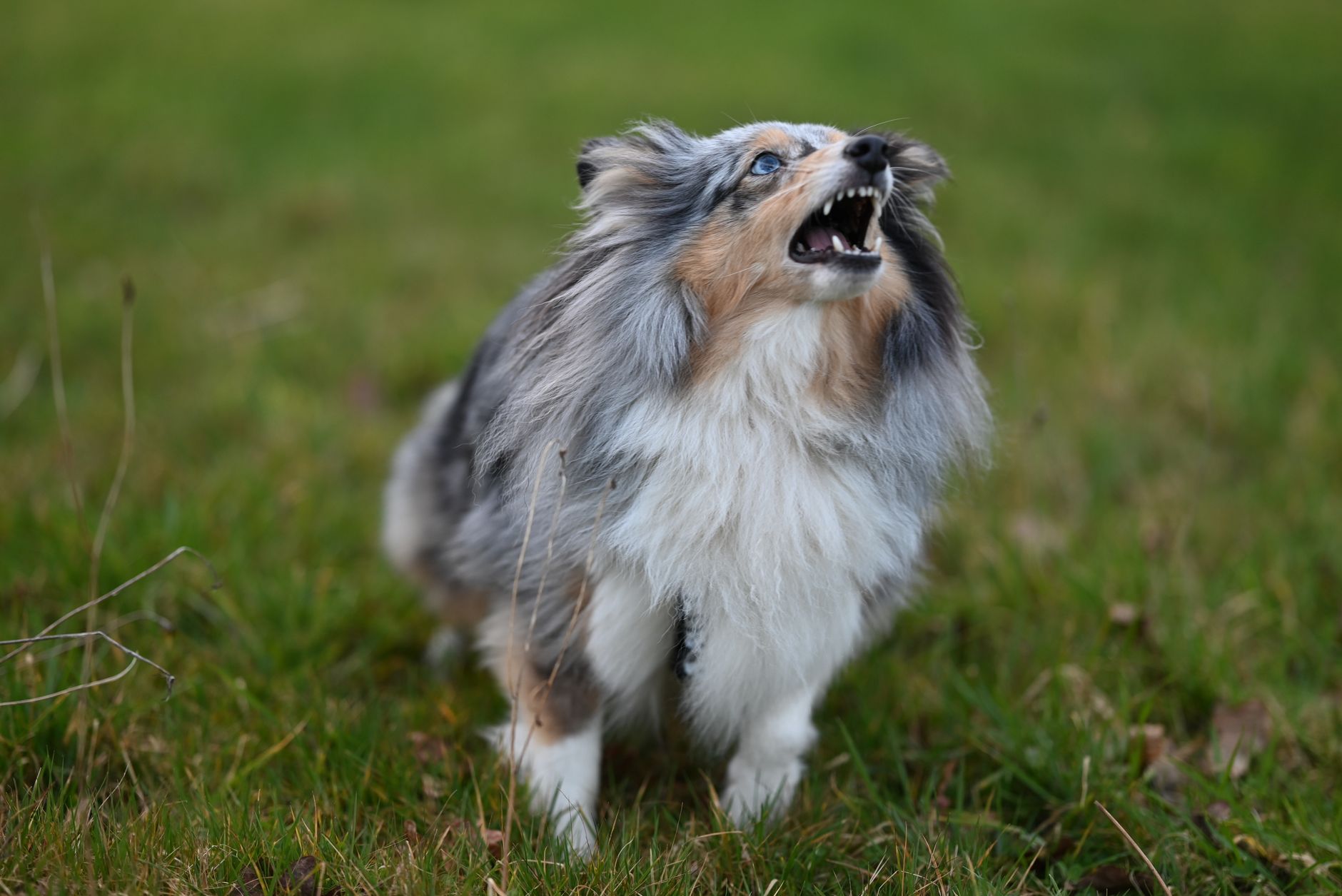
A dog barking at people can be frustrating, especially when it happens during walks, at the front door, or whenever someone passes by the home. However, barking is a natural form of communication, and the behavior usually has a reason behind it. A dog may bark because it is excited, fearful, protective, uncertain, frustrated, or trying to create distance from something unfamiliar.
For owners searching how to get a dog to stop barking at people, the most effective approach is not simply teaching a dog to be quiet. The goal is to understand why the dog reacts and teach a calmer alternative response.
Reducing unwanted barking requires patience, consistent training, and attention to the dog’s emotions. A dog that learns to feel comfortable around people is more likely to remain calm than a dog that is only discouraged from making noise.
Why Dogs Bark at People
Barking is a communication tool. Dogs use it to express emotions, alert others, seek attention, or respond to changes in their environment. Before changing the behavior, owners need to identify the reason behind it.
Common reasons dogs bark at people include:
| Reason for Barking | What the Dog May Be Feeling |
|---|---|
| Fear or uncertainty | The dog may feel threatened and wants more distance. |
| Excitement | The dog may want to greet or interact with the person. |
| Protective behavior | The dog may believe it needs to guard its home or owner. |
| Lack of social experience | The dog may not know how to respond calmly. |
| Attention seeking | The dog may have learned barking gets a reaction. |
The same barking behavior can have different causes. A dog barking while pulling toward a person may be excited, while a dog barking while backing away may be fearful. Training should address the underlying emotion, not just the sound.
Identify Your Dog’s Barking Triggers
The first step in changing barking behavior is observation. Pay attention to when the barking happens, who triggers it, and how your dog responds afterward.
Ask yourself:
- Does my dog bark at everyone or only certain people?
- Does barking happen indoors, outdoors, or both?
- Does my dog move toward people or away from them?
- Does the barking stop once the person leaves?
- Does my dog appear excited, nervous, or defensive?
Understanding the pattern helps create a more effective training plan. A dog that barks from fear needs a different approach from a dog that barks because it wants attention.
Avoid Rewarding Unwanted Barking Without Realizing It
Many dogs repeat behaviors that successfully produce a result. If barking causes people to look at the dog, talk to the dog, open a door, or create distance from a trigger, the dog may learn that barking works.
This does not mean owners should ignore all barking. Instead, the goal is to teach the dog that calm behavior produces better outcomes.
For example:
- A dog barking at visitors can learn that sitting quietly earns attention.
- A dog barking on walks can learn that calm observation leads to rewards.
- A dog barking at the window can learn alternative behaviors when people pass by.
Teach an Alternative Behavior
One of the most effective ways to reduce barking is replacing the unwanted behavior with a behavior you want instead. Dogs learn better when they understand what they should do rather than only being told what not to do.
Useful alternative behaviors include:
- Looking at the owner when a person appears
- Sitting calmly
- Moving to a designated spot
- Walking calmly beside the owner
- Checking in with the owner before reacting
Training should begin in situations where the dog can succeed. Asking a highly reactive dog to immediately ignore people at close distance is usually too difficult.
Use Positive Reinforcement Training
Reward-based training helps dogs understand which behaviors are valuable. When a dog notices a person and remains calm, rewarding that moment teaches the dog that calmness has benefits.
Rewards may include:
- Small treats
- Praise
- Toys
- Access to enjoyable activities
The timing of the reward matters. The dog should learn that the calm response is what earns reinforcement, not the barking that happened before it.
Teach Your Dog to Focus on You
A dog that immediately reacts to every person nearby may benefit from learning attention skills. A strong focus cue gives owners a way to communicate during distracting situations.
Basic exercises include:
- Practice your dog’s name in a quiet environment.
- Reward your dog for looking toward you.
- Gradually practice around mild distractions.
- Increase difficulty slowly as your dog improves.
The goal is not to force a dog to ignore the world. It is to teach the dog that checking in with the owner is a useful choice.
Manage Distance During Walks
Many dogs bark at people because they feel overwhelmed when someone gets too close. Distance is an important training tool because it allows the dog to stay calm enough to learn.
If your dog reacts strongly to strangers:
- Cross the street when needed.
- Create more space before the dog starts barking.
- Avoid forcing greetings.
- Reward calm behavior from a comfortable distance.
Every successful calm interaction helps build confidence. Repeatedly allowing a dog to reach a panic point can make reactions stronger over time.
Help Dogs That Bark Out of Fear
Fear-based barking requires special care because the dog is not simply being noisy. The barking may be an attempt to make a person go away or create safety.
Signs that barking may be fear-related include:
- Backing away while barking
- Lowered body posture
- Tail tucked or stiff body language
- Avoiding eye contact
- Trying to hide behind the owner
Punishment can increase fear because the dog may associate people with additional negative experiences. Building positive associations and gradually changing the dog’s response is usually more effective.
Control Doorway and Visitor Barking
Many dogs become especially vocal when someone arrives at the home. The doorbell, knocking sounds, and movement outside can create excitement or alert behavior.
Helpful strategies include:
- Teaching the dog to go to a specific place when the door opens.
- Practicing with controlled training sessions.
- Rewarding calm behavior before greetings.
- Avoiding chaotic interactions at the doorway.
Visitors can also help by ignoring jumping or barking until the dog is calmer.
Socialization Helps Prevent Excessive Barking
Dogs that have positive experiences with different people and environments often develop better confidence. Socialization is not about forcing dogs to meet everyone; it is about helping them learn that new experiences are safe.
For adult dogs, socialization can still be valuable. It may simply require slower introductions and careful management.
Common Mistakes That Make Barking Worse
| Approach | Why It May Cause Problems |
|---|---|
| Yelling at the dog | The dog may interpret it as joining the barking or increased excitement. |
| Punishing fear-based barking | May increase stress and make reactions stronger. |
| Forcing greetings | Can overwhelm uncomfortable dogs. |
| Waiting until the dog is already reacting | Training becomes harder when emotions are intense. |
When Professional Help May Be Needed
Some barking problems are simple training challenges, while others involve fear, anxiety, or aggression concerns. Professional guidance can be valuable when reactions are intense or difficult to manage safely.
Consider seeking help if your dog:
- Attempts to bite or lunge at people
- Cannot calm down after seeing strangers
- Shows severe fear responses
- Has suddenly developed new behavior problems
- Does not improve with consistent training
A veterinarian or qualified behavior professional can help identify underlying causes and create an appropriate plan.
How Long Does It Take to Stop a Dog From Barking at People?
The timeline depends on why the dog barks, how long the behavior has existed, and how consistently training is applied. Some dogs improve quickly, while others need weeks or months of gradual practice.
Success does not always mean a dog never makes a sound. Dogs naturally communicate through barking. The goal is a dog that can notice people and respond appropriately without excessive or stressful reactions.
Building a Calmer Response to People
Learning how to get your dog to stop barking at people starts with understanding that barking is communication. A dog is not simply being stubborn; the behavior usually reflects an emotion, expectation, or learned habit.
The most reliable approach combines identifying triggers, rewarding calm choices, teaching alternative behaviors, and managing situations where the dog struggles.
With patience and consistent training, many dogs can learn that people are not something to fear or react to. The result is not just a quieter dog, but a more confident and comfortable companion.